Best Supplement Manufacturers in Toronto: A Buyer's Guide
Toronto brand owners sourcing a contract manufacturer face a crowded field. This guide covers what to compare — MOQs, lead times, certifications and formulation support — and how EUPHM fits as a GMP-certified offshore partner.
Overview
Toronto has a mature supplement market, with manufacturers clustered across the GTA and southern Ontario. Local production offers short freight lanes and same-timezone communication. Offshore partners can offer lower unit costs at scale, but add import logistics and customs steps. The right choice depends on your order volume, margin targets and launch timeline. Below are the concrete parameters to compare before you request quotes.
- MOQ (retail bottling)
- 1,000 units per SKU; lower for pilot runs
- Sample lead time
- 7–10 working days
- Mass production
- 20–35 working days after sample approval
- Certifications
- GMP, ISO 9001, ISO 22000, HACCP, NSF/ANSI 455-2, halal, FDA-registered
- Fill weights
- Capsules 300–1,200 mg; tablets 500–1,500 mg; powders 100 g–2 kg
- Line capacity
- Up to 2 million capsules and 1.5 million tablets per day
Manufacturing Capability and Capacity
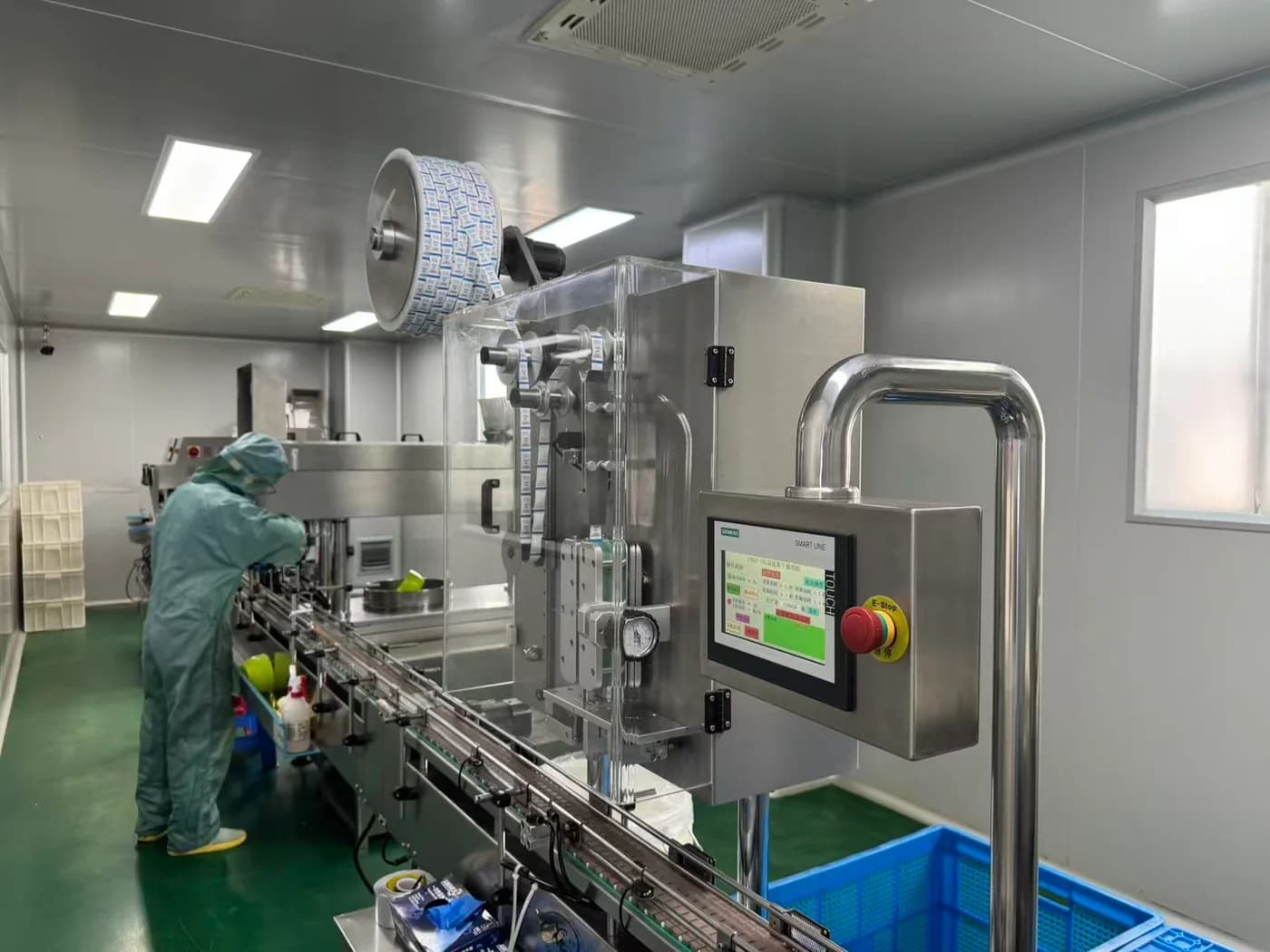
Toronto-based manufacturers typically run capsule, tablet and powder lines, with some offering gummies and liquids. Capacity varies widely. A mid-size Toronto plant may produce 500,000 to 1.5 million units per day across two shifts. EUPHM operates at a comparable scale in Guangdong, with dedicated lines for capsules, tablets, softgels and powders. That matters when you forecast a 50,000-unit run and need a firm ship date. Ask any manufacturer for their daily output per dosage form, not just their annual total.
Tooling and changeover time also affect lead times. A Toronto manufacturer with in-house tooling can start a new capsule size in days. If tooling is outsourced, add 2–3 weeks. EUPHM keeps standard tooling on site for common capsule and tablet sizes, which shortens setup for repeat orders. For new formats, budget 10–15 working days for tooling and first-article approval. These details separate a smooth launch from a delayed one.
Formulation, Ingredients and Dosage Forms
Toronto brands often want clean-label formulations: no titanium dioxide, no artificial colours, non-GMO carriers. Local manufacturers may have a narrower ingredient library than larger offshore plants. EUPHM stocks over 400 raw materials, including organic botanicals, vegan capsules and halal-certified gelatin. That range helps when a Toronto retailer asks for a vegan omega-3 or a -certified probiotic. Confirm allergen controls and country-of-origin documentation before you commit.
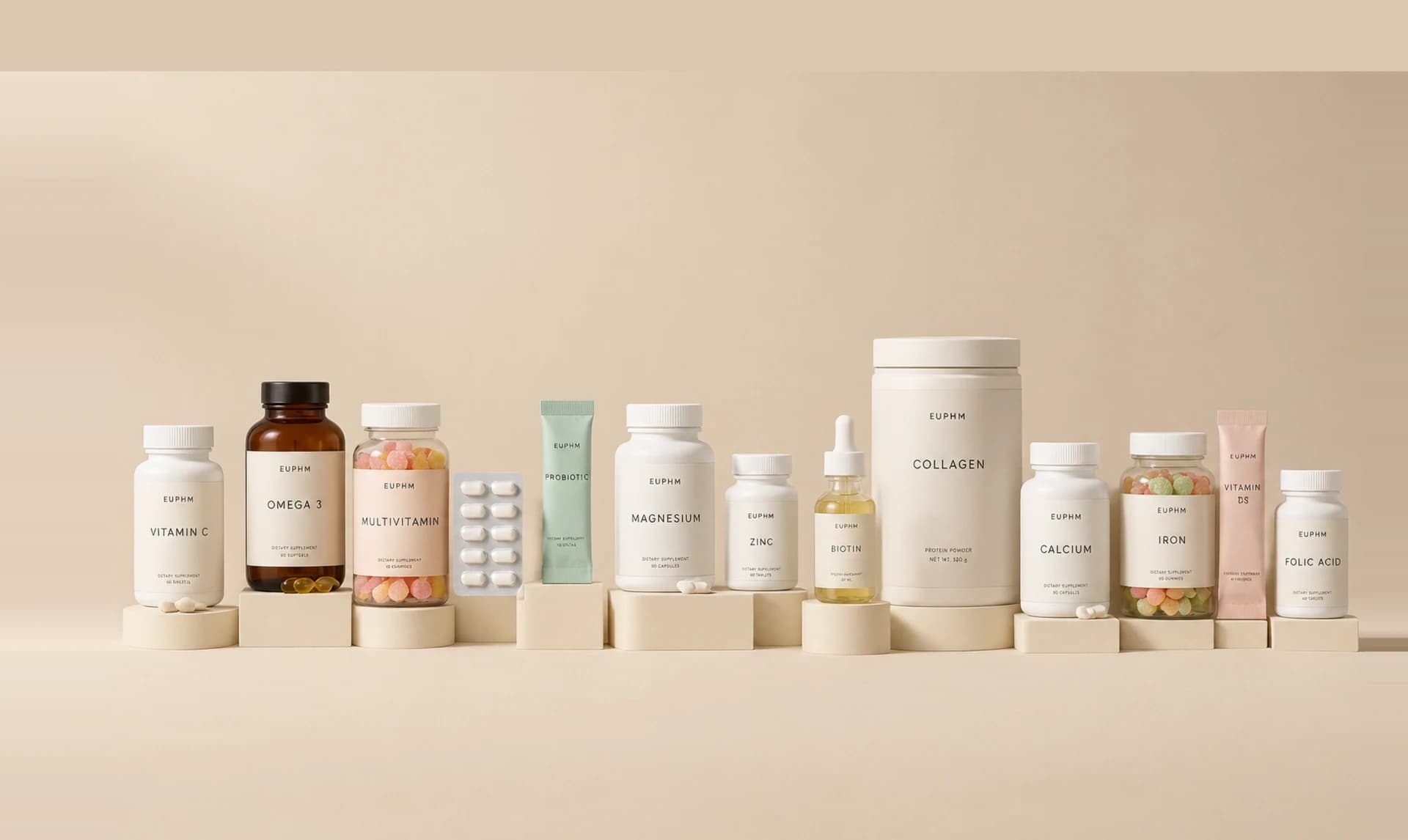
Dosage form flexibility is another differentiator. Capsules suit precise dosing; tablets allow higher compression and lower cost per unit; powders work for sports nutrition. EUPHM runs all three, plus softgels and gummies. For Toronto buyers, the practical question is whether a manufacturer can match your existing label claim without reformulating. Send a finished label and a target dose; a capable partner will confirm feasibility within 5 working days.
Quality, Compliance and Logistics
Toronto manufacturers fall under Health Canada's Natural Health Products Regulations. A site licence and product licences are mandatory for domestic sale. Offshore partners must meet the same standards if you import. EUPHM holds GMP, ISO 22000 and HACCP certifications, and operates an FDA-registered facility. That covers US and EU retail audits. For halal or vegan claims, request the specific certificate and check the expiry date.
Logistics from Toronto to a Guangdong partner adds ocean freight of 18–25 days to Vancouver or 25–35 days to Toronto, plus customs clearance. Air freight cuts transit to 5–7 days at higher cost. EUPHM ships FOB Shenzhen or Hong Kong, with documents prepared for Canadian import. Factor these timelines into your launch plan. A local Toronto manufacturer avoids freight but may not match offshore unit pricing at volumes above 10,000 units.
Quality Control and Batch Documentation
Every production batch is tested at three stages: incoming raw materials, in-process checks, and finished goods. Identity testing uses FTIR or HPLC against reference standards. Potency assays confirm the active marker compound falls within 95–105% of label claim. Microbial testing covers total aerobic count, yeast and mould, E. coli and Salmonella. Heavy metals are screened by ICP-MS for lead, arsenic, cadmium and mercury against USP <232> limits. Disintegration testing follows USP <701> for tablets and capsules, with typical acceptance at 30 minutes for immediate-release forms.
A certificate of analysis (COA) accompanies each batch and lists the product name, lot number, manufacturing date, expiry date, test parameters, specification limits, results and the analyst's signature. Retained samples from every lot are stored for at least two years beyond expiry under controlled temperature and humidity. Stability protocols typically run at 25°C/60% RH and 40°C/75% RH for 3, 6 and 12 months, with accelerated data available before launch. These records support Health Canada site licence applications and retailer technical files.
For Toronto buyers sourcing from offshore supplement manufacturers, batch documentation must align with Canadian and US requirements. A COA issued by a Guangdong factory is acceptable if it references validated methods and is signed by a qualified person. Some buyers request third-party verification from an ISO 17025 laboratory. Retain samples and stability data should be available on request within five working days. This documentation trail is what allows a brand to defend label claims if challenged by the CFIA or FDA.
Packaging, Labelling and Retail Readiness
Primary packaging options include HDPE bottles from 60 cc to 500 cc, blister packs, stick packs and sachets. Bottles can be supplied with induction seals, child-resistant closures and desiccant canisters. Blisters use PVC/PVDC or aluminium cold-form foil for moisture-sensitive formulas. Stick packs and sachets are filled on vertical form-fill-seal lines with fill weights from 2 g to 30 g. Cartons are printed with lot number and expiry date using inkjet or laser coding, and pallet specifications follow standard 48 x 40 inch or 1200 x 1000 mm footprints with stretch wrap and edge protectors.
Labels for the US market must include the statement of identity, net quantity, supplement facts panel, other ingredients, directions for use, and the manufacturer or distributor address. Health Canada requires a product licence number and medicinal ingredient list with quantities per dose. Amazon sellers need FNSKU labels applied over the UPC barcode, and cartons must meet ISTA 3A drop-test standards for retail distribution. Toronto supplement manufacturers and offshore partners alike should confirm label copy against the current FDA dietary supplement labelling guide before printing.
Retail readiness also covers case pack configuration, master carton dimensions and gross weight. A typical 120-count bottle carton holds 24 units and weighs 8–10 kg. Pallet configuration is 48 cartons per layer and 4 layers high, giving 192 cartons per pallet. Buyers should request a packaging specification sheet with dieline, material composition and recycling codes. For Amazon FBA, cartons must not exceed 23 kg and must carry the FBA box label. These details are agreed before production to avoid rework at the port.
MOQ, Lead Times and Delivery from Toronto Supplement Manufacturers
Sampling starts with a 7–10 working day turnaround for stock formulas and 15–20 working days for custom formulations. The sample includes a draft COA and label artwork proof. Mass production runs 20–35 working days after sample approval, depending on capsule or tablet count and packaging complexity. pilot volumes are discussed case by case for market testing, with unit costs 20–30% higher than full-scale production. Toronto buyers should factor in 3–5 days for courier transit on samples and 5–7 days for air freight on small production orders.
Shipping terms are usually EXW, FOB Shenzhen or DDP Toronto. FOB is the most common for first orders because it gives the buyer control over freight forwarder and insurance. DDP simplifies customs clearance but adds 8–12% to landed cost. Sea freight from Guangdong to Toronto takes 30–40 days port to door, while air freight takes 5–8 days. For orders above 500 kg, sea freight is typically 60–70% cheaper per kilogram. Buyers should confirm Incoterms in the purchase order and request a landed cost breakdown before committing.
Documents provided with each shipment include the commercial invoice, packing list, bill of lading or air waybill, COA, material safety data sheet (MSDS) for powdered ingredients, and a free-sale certificate. Phytosanitary certificates apply only to botanical raw materials and are issued by the exporting country's plant health authority. Toronto supplement manufacturers importing from China should ensure the free-sale certificate is signed and dated within 12 months. These documents are required for customs release and for Health Canada licence applications.
Options for Your Format
Turnkey private label
Choose from existing formulas, apply your brand, ship in 20–35 working days. Lowest upfront cost for launches under 10,000 units.
Custom formulation
Develop a unique blend with a formulator. Adds 15–25 working days for R&D and stability testing. Best for differentiated products.
Pilot run
Produce 500–2,000 units for market testing. Lower MOQ than retail bottling. Use feedback before committing to a full run.
Full-scale production
Runs above 50,000 units per SKU. Unit costs drop 15–30% versus pilot volumes. Requires firm forecasts and deposit.
How a Project Runs
- 01
Define your spec
Write the dosage form, fill weight, serving size and target certifications. A one-page brief prevents misquotes.
- 02
Request samples
Ask for 2–3 sample units per SKU. Sample lead time is typically 7–10 working days from formula confirmation.
- 03
Compare quotes
Check MOQ, unit price, tooling fees and freight terms. A low unit price with high MOQ can tie up cash.
- 04
Approve artwork
Supply print-ready labels and dielines. Allow 5–7 working days for proofing and colour approval before production.
- 05
Place production order
Sign the PO and pay the deposit. Mass production runs 20–35 working days after sample approval.
- 06
Arrange shipping
Confirm Incoterms, customs broker and import documents. Ocean freight to Toronto takes 25–35 days; air freight 5–7 days.
Why EUPHM
Certified and audit-ready
GMP, ISO 9001, ISO 22000, HACCP, NSF/ANSI 455-2 and halal certification; FDA facility registration for US-bound shipments.
Flexible moqs
Start at 1,000 units per SKU for retail bottling. Pilot runs available below that threshold for market testing.
Transparent lead times
7–10 working days for samples. 20–35 working days for mass production. Firm dates confirmed at PO stage.
Questions buyers ask.
What is the MOQ for supplement manufacturing in Toronto?+
Toronto-based manufacturers often set MOQs between 5,000 and 10,000 units per SKU. Offshore partners like EUPHM start at 1,000 units for retail bottling, with lower thresholds for pilot runs. If you need under 1,000 units, ask about pilot production before committing to a full batch.
How long does supplement production take?+
Sample lead time is 7–10 working days. Mass production runs 20–35 working days after sample approval. Add 5–7 working days for label proofing. Ocean freight to Toronto adds 25–35 days; air freight 5–7 days. Plan for 8–12 weeks from brief to delivered stock.
Do I need Health Canada approval to sell supplements in Toronto?+
Yes. Natural health products sold in Canada require a product licence and a site licence for the manufacturer. If you import, your offshore partner must hold GMP certification. EUPHM holds GMP, ISO 22000 and HACCP. You or your importer still need to file the product licence application with Health Canada.
Can I get a custom formula instead of a stock one?+
Yes. Custom formulation adds 15–25 working days for R&D and stability testing. You provide the target actives and claims; the manufacturer confirms feasibility. EUPHM keeps over 400 raw materials on site, including vegan options. Expect a minimum order of 5,000 units for fully custom blends.
What certifications should a supplement manufacturer have?+
At minimum: GMP, ISO 22000 and HACCP. For specific markets, add halal or vegan. For US retail, an FDA-registered facility helps. Always request the certificate and check the expiry date. EUPHM holds all of these and can provide copies for your vendor qualification file.
What is the difference between a COA and a certificate of free sale for Toronto supplement manufacturers?+
A COA documents batch-specific test results for identity, potency, microbials and heavy metals. A certificate of free sale confirms the product is legally manufactured and sold in the exporting country. Toronto buyers need both: the COA for quality assurance and the free-sale certificate for Health Canada and customs. The free-sale certificate must be issued within 12 months and signed by a competent authority or notarised by the manufacturer.
Can Toronto supplement manufacturers supply products with Canadian bilingual labelling?+
Yes, bilingual English and French labelling is standard for the Canadian market. The label must include the product licence number, medicinal ingredients with quantities per dose, non-medicinal ingredients, recommended use, and the name and address of the licence holder. Toronto supplement manufacturers and offshore partners should provide a label proof for review before printing. French translations must be accurate and approved by a qualified translator.
How do I arrange Amazon FBA compliance for supplements made by Toronto supplement manufacturers?+
Amazon requires FNSKU labels over the UPC barcode, poly-bagged units with a suffocation warning, and cartons under 23 kg with an FBA box label. Supplements also need a current COA and a label that complies with FDA dietary supplement rules. Toronto supplement manufacturers should provide a packaging specification sheet and confirm ISTA 3A drop-test compliance. Request a pre-shipment inspection report before the cartons leave the factory.
Have a product in mind?
Send us the brief and we will come back with a formulation direction, indicative price and a realistic lead time — usually within one working day.