Best Supplement Manufacturers in Mexico for Your Brand
Sourcing the best supplement manufacturers in Mexico gives US brands faster shipping and lower tariffs. EUPHM provides GMP-certified production with MOQ from 1,000 units and 20–35 day lead times.
Overview
Mexico has become a key nearshoring hub for dietary supplements, offering proximity to the US market and competitive pricing. However, not all contract manufacturers meet the quality standards required for retail. This guide covers what to look for in a Mexican supplement manufacturer and how EUPHM supports brands with pilot runs, full-scale bottling, and certifications including GMP, ISO 22000, and HACCP.
Manufacturing Capability and Capacity
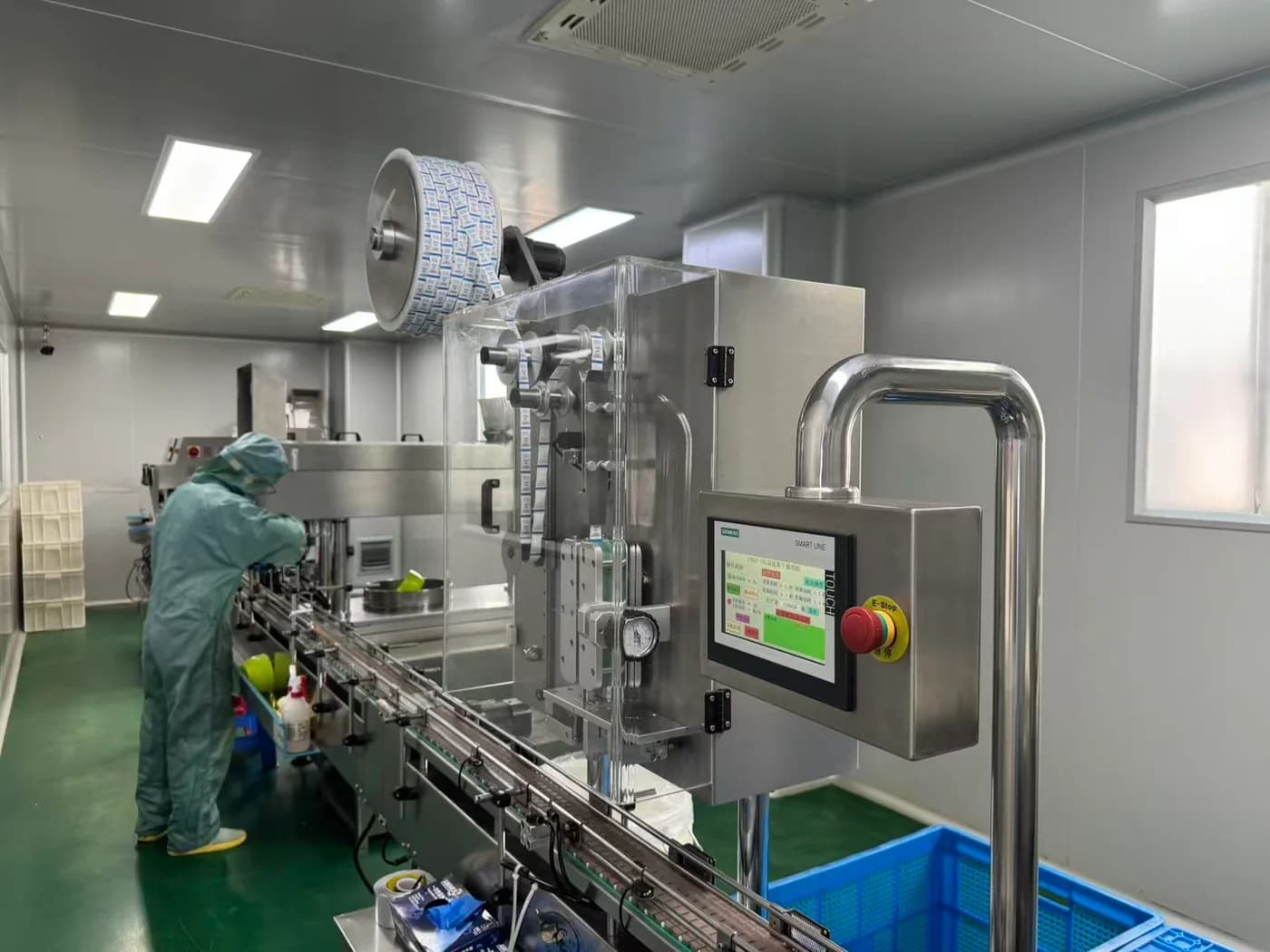
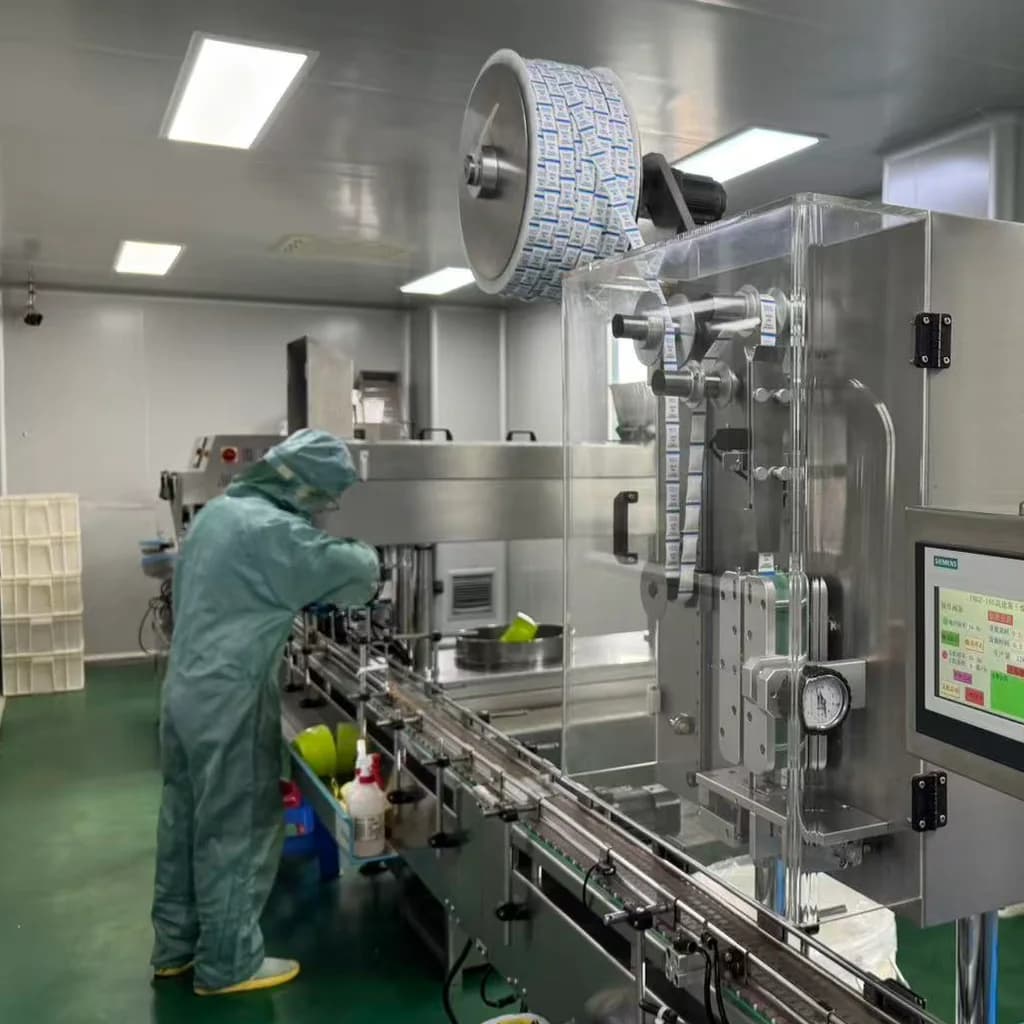
Mexican supplement manufacturers vary widely in scale. A reliable partner should offer both pilot and mass production lines. EUPHM operates capsule filling, tablet compression, and powder blending lines with daily capacity of 2 million capsules and 1.5 million tablets. This supports initial runs of 1,000 units and scales to 500,000+ units per SKU without retooling delays.
For brands comparing the best supplement manufacturers in Mexico, key metrics include lead time, MOQ, and fill weight flexibility. EUPHM maintains a 20–35 working day production window after sample approval, with sample lead times of 7–10 working days. Fill weights range from 300 mg capsules to 5 kg powder bags, accommodating sports nutrition, wellness, and specialty formulations.
Formulation and Ingredient Sourcing
Ingredient sourcing affects cost, compliance, and shelf life. Mexican manufacturers often import actives from the US, Europe, and Asia. EUPHM sources USP, EP, and BP grade ingredients, with documentation for each lot. Formulations can include standard vitamins, minerals, botanicals, amino acids, and probiotics. Custom blends are developed in-house with stability testing.
For brands with existing formulas, EUPHM matches specifications and provides samples for sensory and analytical review. For new products, the team assists with excipient selection, coating, and flavour masking. All ingredients meet halal, organic, or vegan requirements when specified. This flexibility helps brands launch products tailored to regional preferences in the US, EU, and Middle East.
Quality Assurance and Compliance
Regulatory compliance is critical when sourcing from Mexico. EUPHM operates an FDA-registered facility and holds GMP, ISO 22000, and HACCP certifications. Each batch undergoes identity, potency, and microbiological testing. Certificates of analysis are provided for every shipment. This supports retail audits and import requirements in the US, EU, UK, and GCC countries.
Documentation includes halal certificates, organic transaction certificates, and vegan statements. EUPHM also assists with label reviews for target markets. For brands comparing the best supplement manufacturers in Mexico, the ability to provide complete regulatory paperwork without delays is a decisive advantage. EUPHM’s quality team responds to documentation requests within 2 business days.
Quality Control and Batch Documentation at Mexican Supplement Manufacturers
At a qualified Mexican supplement manufacturer, every raw material lot is quarantined until identity testing is complete. Incoming ingredients are tested by FTIR or HPLC for identity, and a representative composite is screened for microbials (total aerobic count, yeast and mould, E. coli, Salmonella), heavy metals (lead, arsenic, cadmium, mercury) and, where relevant, pesticide residues. Finished products are tested for potency of active markers, uniformity of weight, disintegration time and, for capsules, moisture content. Testing is performed in-house or at an ISO 17025-accredited third-party laboratory, and results are released before any batch is dispatched.
A certificate of analysis (COA) for each finished batch should state the product name, batch number, manufacturing date, expiry date, specification limits and measured results for every test. It should also reference the test methods used and be signed by the quality control manager. Buyers should request a COA for the pilot batch as well as for each production run, and verify that the batch number on the COA matches the number printed on the bottles and cartons. Retention samples of each batch are kept for at least one year beyond the expiry date, stored under labelled conditions, so that any future complaint can be investigated against the original material.
Stability testing follows a defined protocol: typically 0, 3, 6, 12, 18 and 24 months at 25°C/60% relative humidity, with accelerated conditions at 40°C/75% RH for 6 months. Parameters monitored include appearance, potency, microbial limits and disintegration. For products exported to markets with different climate zones, an intermediate condition of 30°C/65% RH may be added. The resulting stability data supports the shelf-life claim on the label and is often requested by retail buyers or distributors during supplier qualification. A manufacturer that cannot provide a stability protocol and summary data for a similar product should be treated with caution.
Packaging, Labelling and Retail Readiness
Mexican supplement manufacturers typically offer high-density polyethylene (HDPE) bottles from 60 cc to 500 cc, with induction seals and child-resistant or standard caps. Blister packs are available for tablets and capsules, with PVC/PVDC or alu-alu formats for moisture-sensitive products. Stick packs and sachets are common for powders, with fill weights from 2 g to 30 g. Label application can be done in-house, and many factories can also apply shrink sleeves or print lot and expiry codes by inkjet or laser. Buyers should confirm the bottle resin, cap type and seal integrity, because these affect stability and transport safety.
For the US market, the label must include a statement of identity, net quantity of contents, a supplement facts panel with serving size and percent daily value, an ingredients list, allergen declarations where applicable, and the name and place of business of the manufacturer, packer or distributor. The FDA does not pre-approve labels, so the brand owner is responsible for compliance. Mexican manufacturers can print labels to your artwork, but they should not be expected to write the supplement facts panel for you unless you commission that service. Lot and expiry coding must be legible and durable, and the same code should appear on the bottle, the carton and the shipping case.
Carton specifications usually include a corrugated shipper with a minimum bursting strength of 200 lb, or a comparable ECT rating, and a case count that matches retail or Amazon requirements. Pallet configurations are typically 48 x 40 inches or 1200 x 1000 mm, with a maximum height of 1.8 m including the pallet, and stretch-wrapped with corner boards. For Amazon FBA, the factory can apply FNSKU labels and poly-bag units where required, but the brand owner must supply the FNSKU data and confirm whether the product is sold as a single unit or a multipack. Retail compliance for chains often requires a specific case pack, a GS1 barcode on the unit and a carton label with ITF-14.
MOQ, Lead Times and Delivery from Mexican Supplement Manufacturers
A pilot run for a new SKU typically requires 500 to 1,000 units, while full retail bottling usually starts at 1,000 units per SKU. Samples are produced in 7 to 10 working days after formulation and artwork are approved, and the sample batch is usually invoiced at a pilot-run price. Once the sample is signed off, mass production takes 20 to 35 working days, depending on the number of SKUs, the complexity of the packaging and whether ingredients are in stock. Delays are most often caused by late artwork approval or by raw materials that need to be imported, so buyers should confirm the ingredient lead time before committing to a launch date.
Shipping from Mexico to the US can be by truck for cross-border deliveries or by air and sea for other destinations. Air freight takes 3 to 7 days door to door, while sea freight to US ports takes 10 to 20 days depending on the port pair, plus customs clearance. For Europe, sea freight typically takes 25 to 35 days. Incoterms are usually EXW, FOB or DDP. EXW means the buyer arranges everything from the factory gate; FOB covers export clearance and loading at the named port; DDP means the manufacturer delivers to your door with duties paid. Buyers should confirm which Incoterm is quoted, because it changes the total landed cost significantly.
Standard export documents include the commercial invoice, packing list, bill of lading or airway bill, certificate of analysis for each batch, material safety data sheet (MSDS) for the finished product, and a free-sale certificate where the destination market requires one. For plant-based ingredients, a phytosanitary certificate may be requested by some importing countries. Certificates of origin can be provided for preferential tariff treatment under trade agreements. Buyers should ask for scanned copies before shipment and verify that the batch numbers on the documents match the cartons. A manufacturer that cannot supply a COA and MSDS promptly is unlikely to support you well after the sale.
Configurations to Compare
Capsule manufacturing
Hard-shell capsules in sizes 0 to 3, fill weights 300–1,200 mg. Suitable for vitamins, herbs, and probiotics. MOQ 1,000 units per SKU.
Tablet compression
Round, oval, and caplet shapes up to 1,500 mg. Film coating available. Ideal for minerals and multivitamins. Production runs from 5,000 units.
Powder blending
Custom powder mixes in jars, pouches, or stick packs. Fill weights 100 g to 5 kg. MOQ 1,000 units for retail packaging.
Pilot runs
Small-batch production for market testing. MOQ from 1,000 units. Sample lead time 7–10 working days. Scales to full production.
How We Work
- 01
Submit inquiry
Share your product specification, target MOQ, and certification needs. EUPHM responds within 1 business day with feasibility and pricing.
- 02
Formulation review
EUPHM reviews your formula or develops a new one. Ingredient sourcing and compliance checks are completed within 3–5 business days.
- 03
Sample production
Samples are produced in 7–10 working days. You receive physical samples and analytical reports for approval.
- 04
Confirm order
After sample approval, a purchase order is issued. Deposit payment triggers raw material procurement and production scheduling.
- 05
Mass production
Production runs 20–35 working days. In-process quality checks occur at blending, filling, and packaging stages.
- 06
Shipping and documentation
Finished goods are released with COA, halal, or organic certificates. Shipping from Mexico to US takes 3–7 days by truck.
Why EUPHM
Nearshoring advantage
Shorter transit times to the US compared to Asia. Truck freight from Mexico to major US hubs takes 3–7 days, reducing inventory holding costs.
Cost efficiency
Lower labour and overhead than US or EU manufacturing. MOQ from 1,000 units keeps initial investment manageable for emerging brands.
Regulatory alignment
Mexican facilities with FDA registration and GMP certification simplify import into the US. EUPHM provides full documentation for customs and retail.
Questions buyers ask.
What is the MOQ for supplement manufacturing in Mexico?+
Most Mexican contract manufacturers set MOQ between 1,000 and 5,000 units per SKU for retail bottling. EUPHM offers lower MOQ for pilot runs, starting from 1,000 units. This allows brands to test the market before committing to full-scale production.
How long does production take for a supplement order in Mexico?+
Sample lead time is 7–10 working days. Mass production takes 20–35 working days after sample approval. Shipping from Mexico to the US adds 3–7 days by truck. Total timeline from order to delivery is typically 6–8 weeks.
Are Mexican supplement manufacturers GMP certified?+
Many are, but certification varies. EUPHM holds GMP, ISO 22000, and HACCP certifications. The facility is FDA-registered. Always request certificates and audit reports before placing an order to ensure compliance with your target market.
Can I get custom formulations from a Mexican manufacturer?+
Yes. EUPHM develops custom formulations for capsules, tablets, and powders. The team sources USP, EP, and BP grade ingredients and provides stability testing. Formulations can be tailored for halal, organic, or vegan requirements.
What certifications are available for supplements made in Mexico?+
EUPHM offers GMP, ISO 22000, HACCP, halal and vegan certifications. Certificates of analysis are provided for each batch. These documents support import and retail compliance in the US, EU, UK, and Middle East.
Can a Mexican supplement manufacturer produce under my brand's own formula and label?+
Yes, private-label and custom-formulation production is standard. You provide the formula, or the manufacturer develops one with you, and the factory produces under your brand name and label. You should sign a confidentiality and non-disclosure agreement before sharing the formula, and confirm in writing that the manufacturer will not use your formula for other clients. The manufacturer should also provide a formulation sheet and a trial batch for your approval before mass production.
What payment terms are typical for supplement manufacturing in Mexico?+
Most Mexican contract manufacturers ask for a deposit of 30 to 50 percent with the purchase order, and the balance before shipment or against a copy of the bill of lading. For first orders, some factories require full payment before production. Payment is usually by bank transfer in US dollars or Mexican pesos. Buyers should confirm whether the quoted price includes packaging, labelling and testing, and whether any tooling or plate charges are one-time costs.
How do I verify that a Mexican supplement manufacturer is actually GMP compliant?+
Ask for the GMP certificate and check the issuing body, the certificate number, the scope of certification and the expiry date. Then request the most recent audit report or a quality manual summary, and ask for the name and contact of the quality assurance manager. A site visit or a video audit of the production area, warehouse and laboratory is the most reliable check. Certificates alone do not prove compliance, so cross-check with batch records and COAs.
Have a product in mind?
Send us the brief and we will come back with a formulation direction, indicative price and a realistic lead time — usually within one working day.