Packaging Resource Hub for Supplement Brands

Packaging Resource Hub for Supplement Brands

Compare bottle, pouch, blister and label formats before you commit to tooling. MOQ from 1,000 units per SKU, sample turnaround 7-10 working days, mass production 20-35 working days.

Overview

This hub collects practical packaging references for brand owners and procurement teams sourcing from a GMP-certified plant in Guangdong. It covers container formats, closure and label choices, fill-weight ranges, and the compliance documents that travel with each shipment. Use it alongside the parent resource library at /resources to shortlist a format, then request a physical sample. Figures reflect standard retail runs; pilot quantities are available on request.

Packaging Resource Hub for Supplement Brands
Key specifications
MOQ, retail bottling
1,000 units per SKU
MOQ, pilot run
From 500 units, format dependent
Sample lead time
7-10 working days
Mass production
20-35 working days after approval
Fill weights
Capsules 300-1,200 mg; powders 100-1,000 g; liquids 30-500 ml
Certifications
GMP, ISO 9001, ISO 22000, HACCP, NSF/ANSI 455-2, halal, FDA-registered

Container formats and line capacity

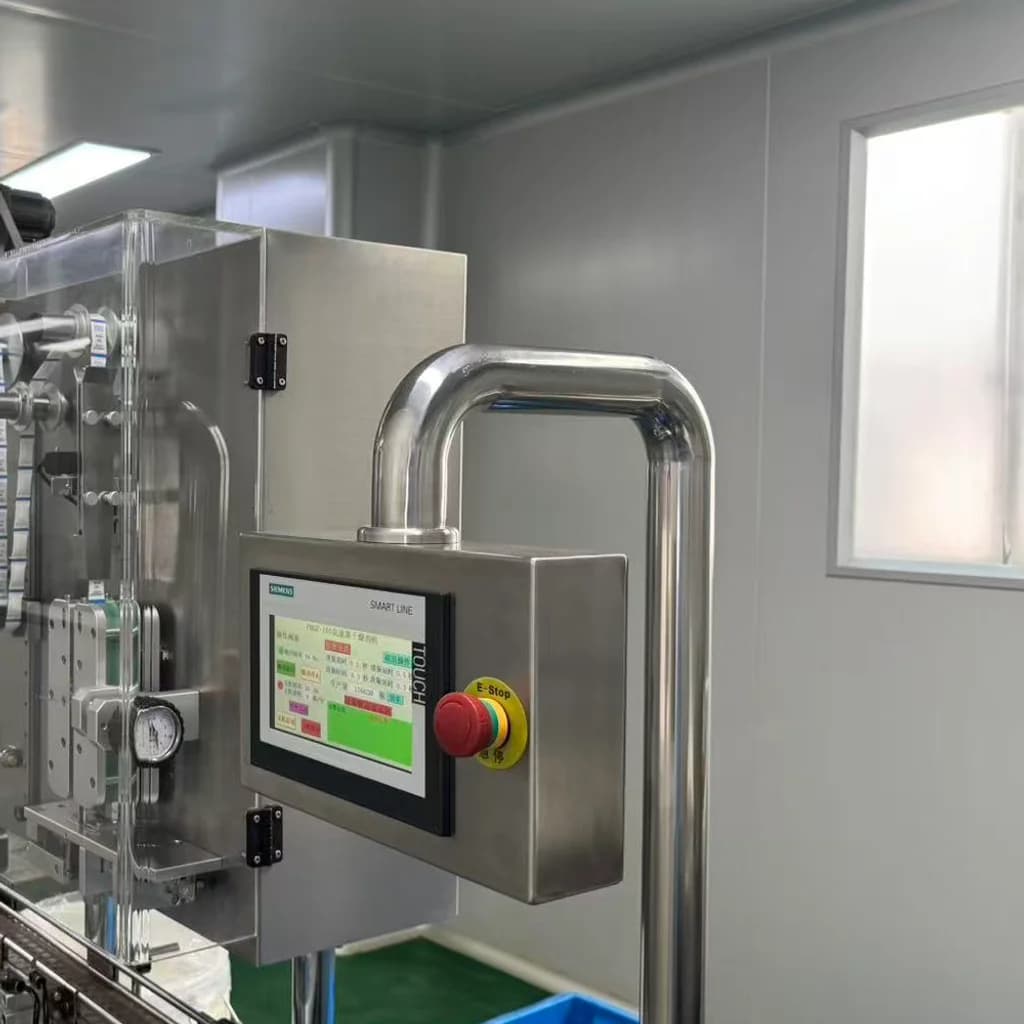
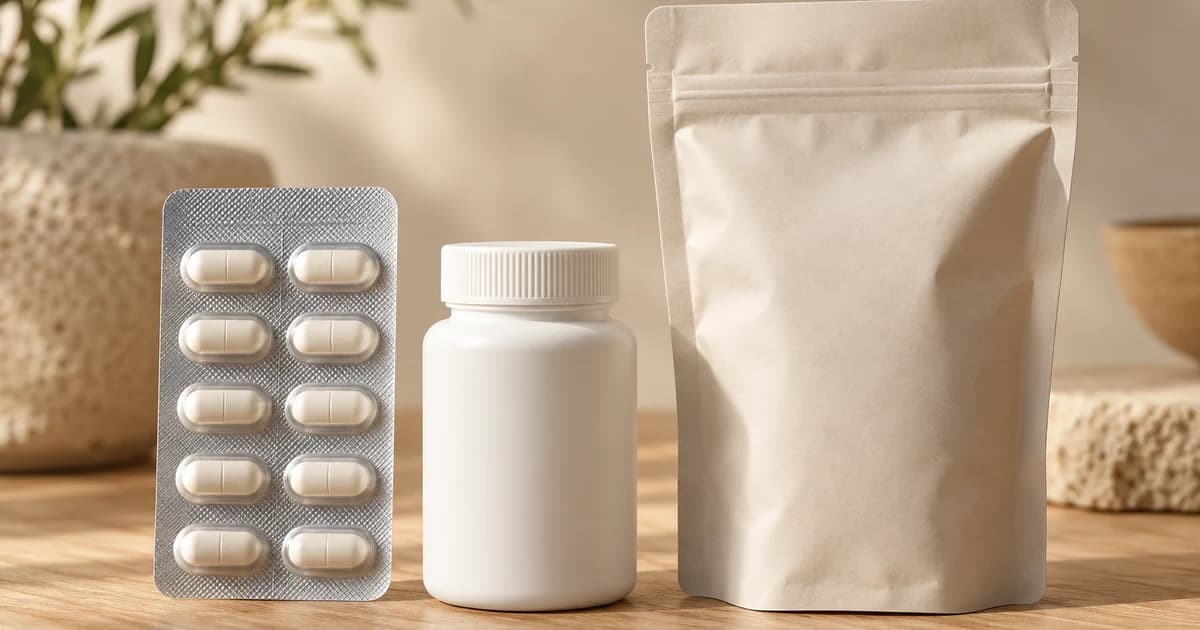
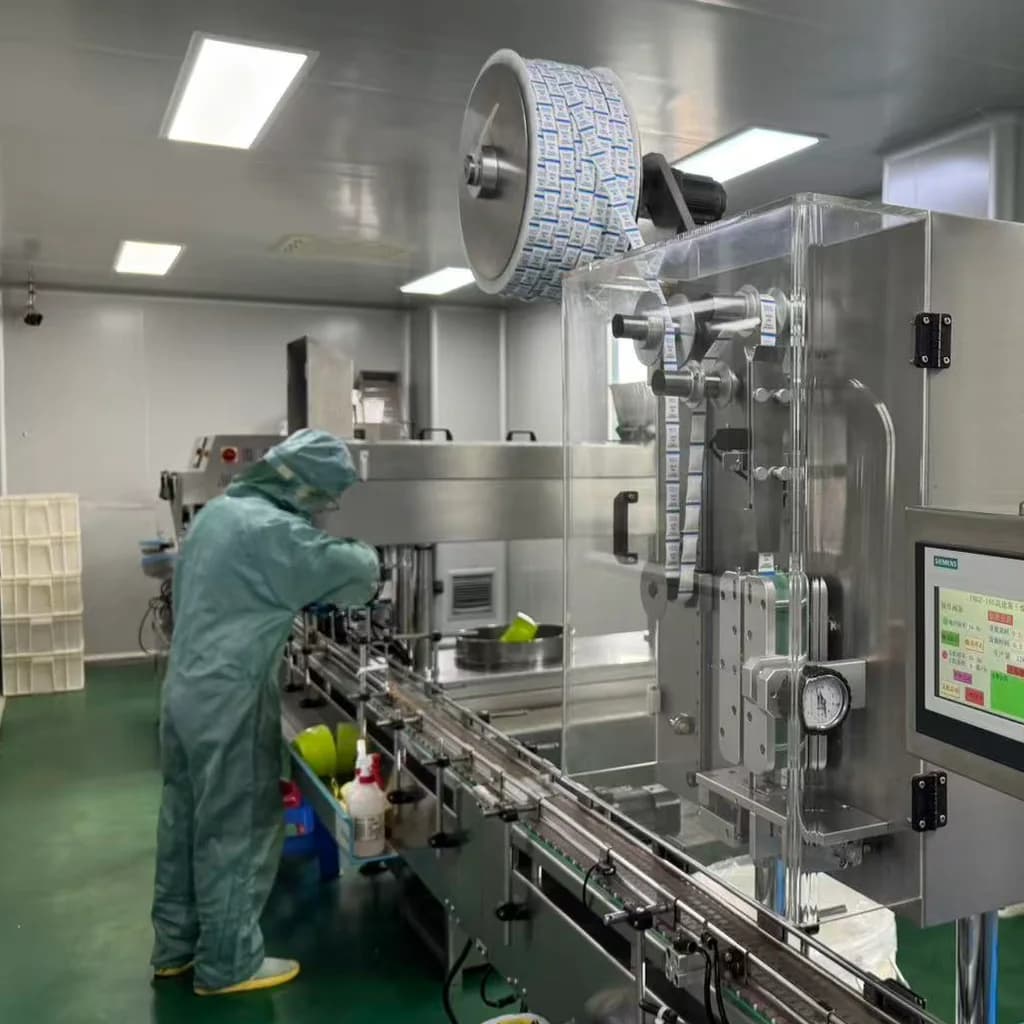
Standard formats are HDPE and PET bottles from 30 ml to 500 ml, doypack pouches from 100 g to 1,000 g, and PVC or PVDC blister packs at 10 to 30 cavities per card. Bottle filling runs at 2,400 to 6,000 units per hour depending on count and closure. Pouch lines handle 1,200 to 1,000 units per hour. Blister tooling is cut per SKU, so it suits runs above 10,000 units. All lines run in a temperature-controlled hall held at 18-24 degrees Celsius and below 45 percent relative humidity.

Tooling and mould costs are quoted separately and amortised across the order. A 200 ml bottle mould set typically adds 3-5 working days before filling starts. Pouch formats with a zipper or spout need a die-cut plate; allow 5-7 days. If you are testing a market, start with a stock bottle and a printed label rather than custom tooling. That keeps the first run at 1,000 units and avoids a five-figure tooling spend before you have sell-through data.

Fill weights, closures and label detail

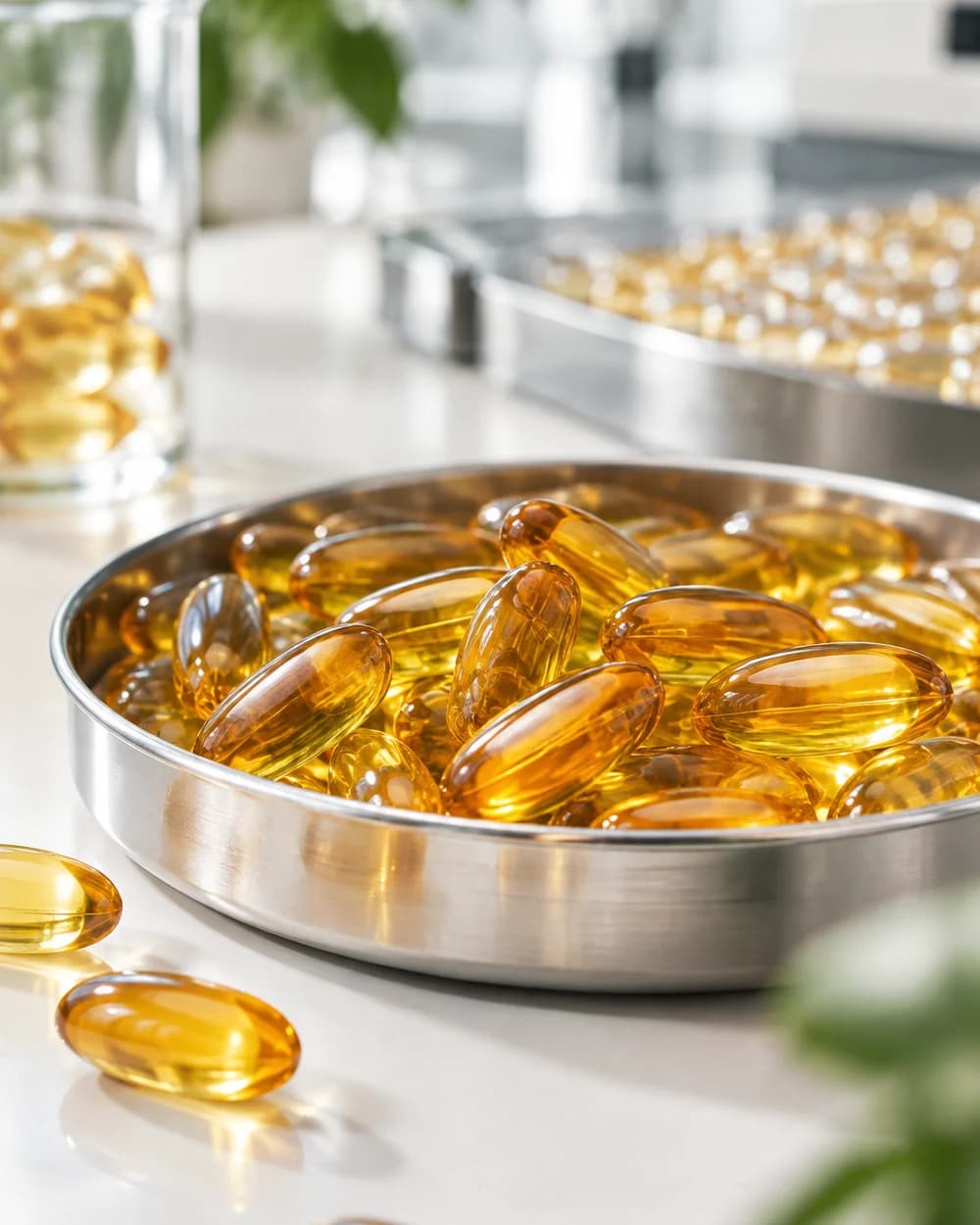
Capsules are filled at 300-1,200 mg in sizes 0 to 3, with vegetarian HPMC or bovine gelatin shells. Powders run 100-1,000 g per pouch or tub. Liquids and softgels are filled at 30-500 ml. Closures include induction-sealed screw caps, child-resistant caps to US 16 CFR 1700.20, and flip-top lids. Desiccant sachets or silica canisters are added for hygroscopic powders. Nitrogen flushing is available for oils and probiotics to hold shelf life at 18-24 months.

Labels carry the mandatory panel set for your market: supplement facts or nutrition declaration, allergen statement, batch code, best-before date, and country of origin. We print on coated paper, PP or PET with matte or gloss lamination. Variable data is applied inline, so batch and date codes are not a separate pass. Artwork files should be supplied as AI or PDF with 3 mm bleed and fonts outlined. First article labels are approved before the full run to avoid reprints.

Compliance, testing and shipment

Every batch is released against a certificate of analysis covering identity, assay, microbial limits, heavy metals and residual solvents where relevant. The plant holds GMP, ISO 22000 and HACCP. halal and vegan claims are supported by certificates on file and can be listed on the label. Stability testing runs at 25 degrees Celsius and 60 percent relative humidity for 24 months, with accelerated data at 40 degrees Celsius and 75 percent relative humidity for 6 months. Shelf life is set from that data.

Shipping documents include commercial invoice, packing list, certificate of origin and, where required, health certificate and free sale certificate. FOB Shenzhen or Yantian is standard; CIF and DDP are quoted on request. Cartons are 5-ply with a 25 kg maximum, palletised to 1.2 m by 1.0 m and stretch-wrapped. Air freight samples leave within 3 working days of release. Sea freight to Rotterdam runs 28-35 days, to Los Angeles 18-24 days, and to Jebel Ali 22-28 days.

Quality Control and Batch Documentation

Every packaging batch is tied to a retained bulk lot with its own analytical record. Before filling, we verify identity and potency by HPLC or UV against the approved specification, and screen for microbials (total plate count, yeast and mould, E. coli, Salmonella) and heavy metals (lead, arsenic, cadmium, mercury). Disintegration testing is run on capsule and tablet formats to confirm the finished unit meets the stated release profile. Results are logged against the batch number that appears on the bottle, so the retail unit can be traced back to the bulk lot and the incoming raw material.

Testing happens at three points: incoming raw material, bulk blend before encapsulation or filling, and finished packaged goods. The finished-goods check covers appearance, fill weight, seal integrity and label accuracy, including lot and expiry coding. Where a customer supplies a specification, we test to that limit rather than our default. Any out-of-spec result holds the batch and triggers a deviation report before release. We do not ship a batch until the certificate of analysis is signed off by the QC lead.

The certificate of analysis lists the product name, batch number, manufacture and expiry dates, the tests performed, the specification limits, the results and the method used for each test. It is issued per batch, not per order, so a multi-batch shipment carries multiple COAs. Customers who need a summary sheet for their own QA file can request a batch record extract covering fill weights and line checks. We retain samples of every batch for the shelf life plus twelve months, stored under the same conditions as the commercial stock.

Stability follows a bracketed protocol: accelerated conditions at 40°C and 75% relative humidity for six months, with real-time data at 25°C and 60% relative humidity running in parallel. Where a customer needs a specific claimed shelf life, we open a stability lot at the packaging stage and test at 0, 3, 6, 12, 18 and 24 months for potency, microbials and appearance. The resulting data supports the expiry date printed on the label and can be shared under confidentiality for regulatory filings.
Packaging formats, labelling and retail readiness

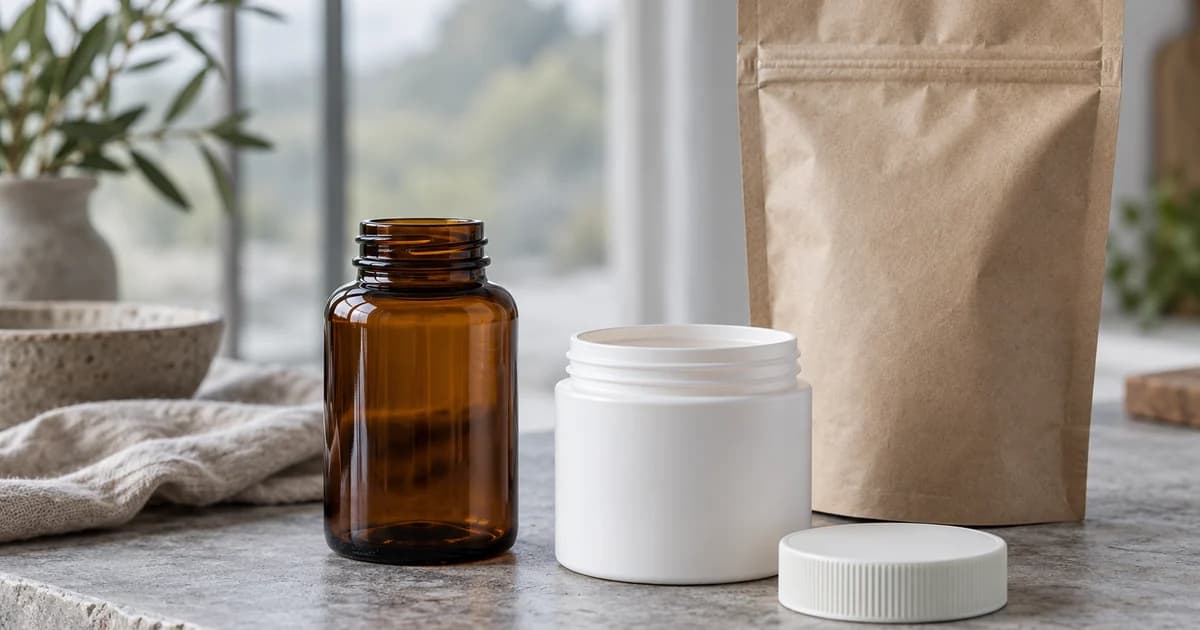
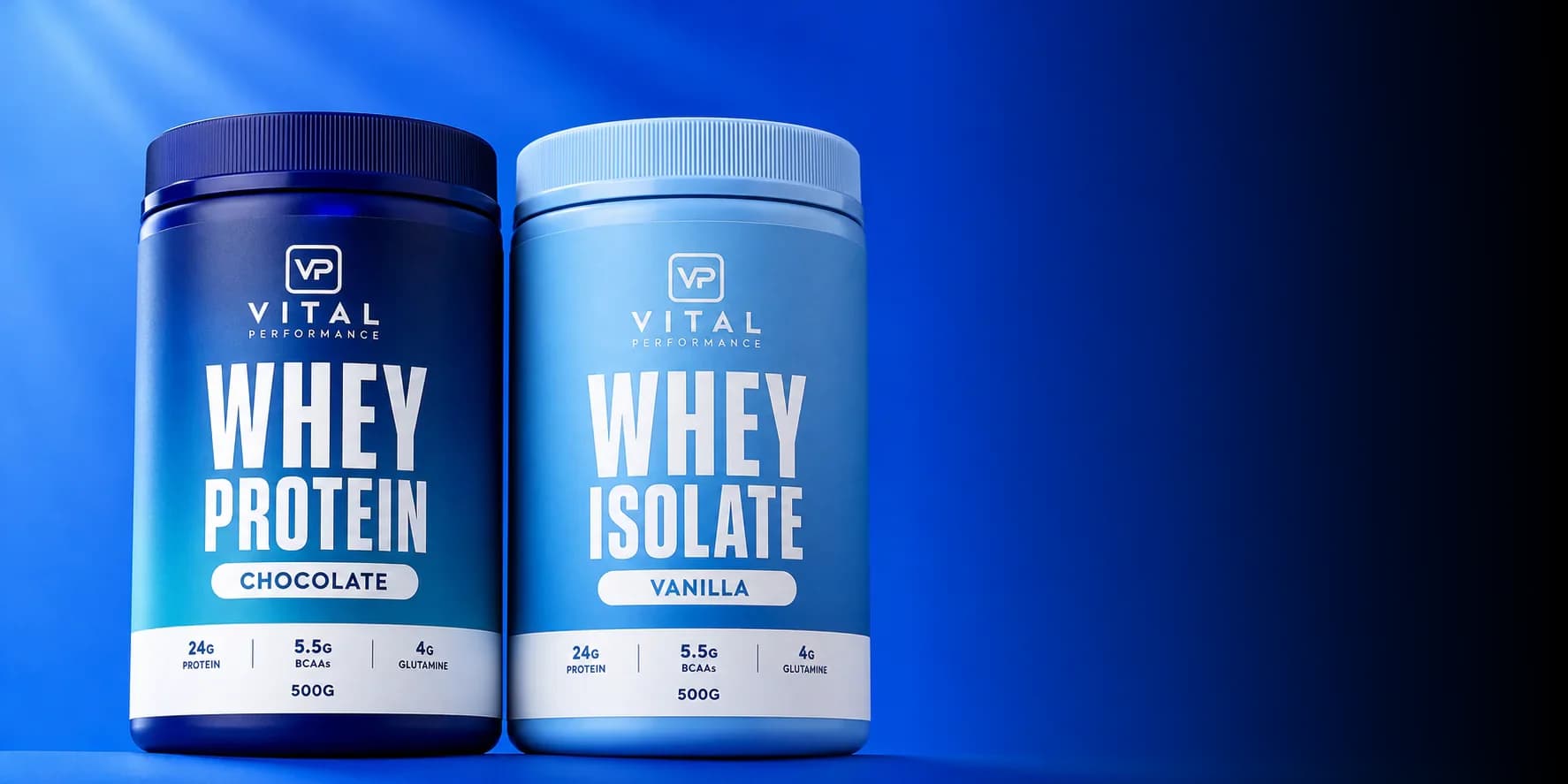
Container options cover HDPE bottles from 60 ml to 500 ml, PET jars for powders, blister packs for tablets and capsules, and stick packs or sachets for single-serve powders. Closure choices include standard screw caps, induction seals, child-resistant push-turn caps and tamper-evident bands. Desiccant canisters or sachets are added where the formula is moisture-sensitive. Label stock is chosen for the retail channel: paper for dry environments, synthetic for chilled or humid conditions, and clear film where a no-label look is wanted.

For the US market, labels carry the statement of identity, net quantity, supplement facts panel, other ingredients, suggested use, and the name and place of business of the distributor. We set the font sizes for the supplement facts panel to the current FDA format and check that the serving size matches the fill weight. Allergen statements and 'contains' lines are placed per the customer's market rules. Lot number and expiry date are inkjet-coded on the bottle and the carton, with the format agreed at artwork approval so the two always match.

Cartons are specified by board grade, print method and pallet pattern. A standard shipper holds 12, 24 or 48 retail units depending on bottle size, and we confirm the pallet count per layer and per pallet before production so the freight quote is accurate. For Amazon sellers, we can apply FNSKU labels, poly-bag units where required, and print the carton dimensions and weight on the shipping mark. Retail compliance checks cover barcode scannability, carton drop testing and label placement against the approved artwork proof.

Artwork goes through a pre-press proof that the customer signs before plates are made. We check barcodes against the GTIN database, confirm the nutrition or supplement facts values against the formula, and flag any claim that needs substantiation in the target market. Once approved, the artwork revision is locked to the purchase order. Changes after plate-making carry a setup cost and add roughly five working days to the schedule, so it is worth resolving label text before the deposit is paid.

MOQ, Lead Times and Delivery

The sample timeline starts with a stock-format sample, which ships in 7 to 10 working days and includes the container, closure and a printed label mock-up. A custom-printed sample requires artwork approval first and adds about 10 working days for plate-making and a short run. Samples are sent by courier with a tracking number, and the freight is charged at cost. We recommend approving the physical sample before placing the bulk order, because colour and cap fit are easier to judge in hand than on a screen.

Mass production runs 20 to 35 working days after sample and artwork approval, counted from the day the deposit clears and the packaging materials arrive at the line. Bottles and cartons are ordered against the confirmed PO, and a delay in artwork sign-off moves the whole schedule. For pilot quantities from 500 units, the window is shorter but depends on whether the format is stock or custom. We give a written production schedule with the order confirmation so the customer can plan the freight booking.

Air freight suits pilot and launch volumes and takes about 5 to 8 days door to door, while sea freight for full pallets takes 25 to 40 days depending on the destination port. We quote EXW, FOB Shenzhen or Hong Kong, and DDP where the customer wants a landed cost. The commercial invoice, packing list and bill of lading are issued with each shipment. A certificate of analysis, safety data sheet where relevant, free-sale certificate and, for plant-derived ingredients, a phytosanitary certificate can be provided on request.

Configurations to Compare

01

HDPE and PET bottles

30-500 ml, induction seal, child-resistant or standard cap. Fills at 2,400-6,000 units per hour. Stock moulds keep MOQ at 1,000 units.

02

Doypack and stick pouches

100-1,000 g with zipper or spout. Suits powders and granulates. Runs at 1,200–1,000 units per hour. Die-cut plate adds 5-7 days.

03

Blister packs

PVC or PVDC, 10-30 cavities per card. Best for pharmacy and travel formats. Tooling is cut per SKU; economical above 10,000 units.

04

Labels and cartons

Coated paper, PP or PET with matte or gloss. Cartons in 300-400 gsm board. Inline batch and date coding, no separate pass.

How We Work

  1. 01

    Share format and market

    Send target format, fill weight, market and label claims. We return a format shortlist and indicative tooling cost within 2 working days.

  2. 02

    Approve artwork and dieline

    We issue a dieline and artwork template. You return print-ready files. First article label or print proof is approved before the run.

  3. 03

    Order samples

    Physical samples of container, closure and label ship in 7-10 working days. Pilot runs from 500 units are available for market testing.

  4. 04

    Confirm tooling and PO

    Tooling is ordered and amortised across the PO. Deposit is 30 percent, balance against bill of lading. MOQ is 1,000 units per SKU.

  5. 05

    Production and QC

    Filling runs in a controlled hall. In-process checks cover fill weight, seal integrity and label placement. Batch record and COA are issued at release.

  6. 06

    Release and ship

    Mass production takes 20-35 working days. Cartons are palletised and shipped FOB Shenzhen or Yantian, with CIF and DDP quoted on request.

Why EUPHM

One plant, many formats

Bottles, pouches, blisters and labels under one roof. Fewer suppliers to audit and one batch record per SKU.

Numbers before commitment

MOQ, fill weights, line speeds and lead times are stated up front. You can size a first run before tooling is ordered.

Documents that clear customs

COA, certificate of origin, health certificate and free sale certificate are prepared with the shipment, not after it.

Questions buyers ask.

What is the MOQ for a custom bottle and label?+

Retail bottling starts at 1,000 units per SKU. If you use a stock bottle and a printed label, the lower end applies. Custom moulds usually push the first run to 5,000 units to absorb tooling. Pilot runs from 500 units are available for market testing.

How long do samples take, and what do they include?+

Samples ship in 7-10 working days. They include the filled container, closure, label proof and a specification sheet. For powders, a nitrogen-flushed pouch sample is provided where relevant. Courier transit is 3-5 working days to the US, EU and UK.

Can you print child-resistant and tamper-evident packaging?+

Yes. Child-resistant caps are tested to US 16 CFR 1700.20 and supplied with induction seals. Tamper-evident bands and shrink sleeves are available on bottles. Blister cards can carry a perforated tear line. These features add 2-3 working days to tooling lead time.

Which certificates come with a packaging order?+

Each batch is released with a certificate of analysis covering identity, assay, microbial limits and heavy metals. Shipments include commercial invoice, packing list and certificate of origin. Health certificate and free sale certificate are issued on request for EU and Middle East imports.

What are the payment and shipping terms?+

Standard terms are 30 percent deposit with the PO and the balance against the bill of lading. FOB Shenzhen or Yantian is standard. CIF and DDP are quoted on request. Sea freight to Rotterdam is 28-35 days, to Los Angeles 18-24 days, to Jebel Ali 22-28 days.

Can you match a bottle and closure I already source elsewhere?+

In most cases yes. Send the bottle drawing or a physical sample and we check thread pitch, neck finish and cap torque against our filling line. If the format is not in our standard range, we can source a mould or use a stock container with a similar profile. Matching an existing closure avoids a new mould cost but may add 10 to 15 working days to the first order while the line is set up.

How do you handle label changes after the first production run?+

Label changes after the first run are treated as a revision. We keep the approved artwork file and the plate on record, so a text-only change can often be made without new plates. A colour or structure change needs a new proof and plate, which adds about five working days and a setup charge. The revised artwork is re-approved in writing before the next batch is scheduled.

What happens if a batch fails a test after packaging?+

If a finished-goods test falls outside specification, the batch is held and a deviation report is raised. We review the bulk lot record, the line checks and the retained sample to find the cause. Depending on the finding, the batch is reworked, re-tested or rejected. Rejected stock is not shipped, and the customer is notified in writing with the test data before any replacement batch is scheduled.

Have a product in mind?

Send us the brief and we will come back with a formulation direction, indicative price and a realistic lead time — usually within one working day.