Best Supplement Manufacturers in China: A Buyer’s Guide
Finding the best supplement manufacturers in China means balancing certifications, MOQs, lead times and formulation support. This guide covers what to check before you commit to a contract manufacturer.
Overview
China has hundreds of supplement contract manufacturers, but only a fraction meet US, EU and Middle East retail standards. The best ones hold GMP, ISO 22000 and HACCP, offer pilot runs below 1,000 units, and quote realistic 20–35 working day production windows. EUPHM is one of them — a GMP-certified plant in Guangdong serving brand owners and procurement teams who need consistent quality at scale.
Manufacturing capability and scale
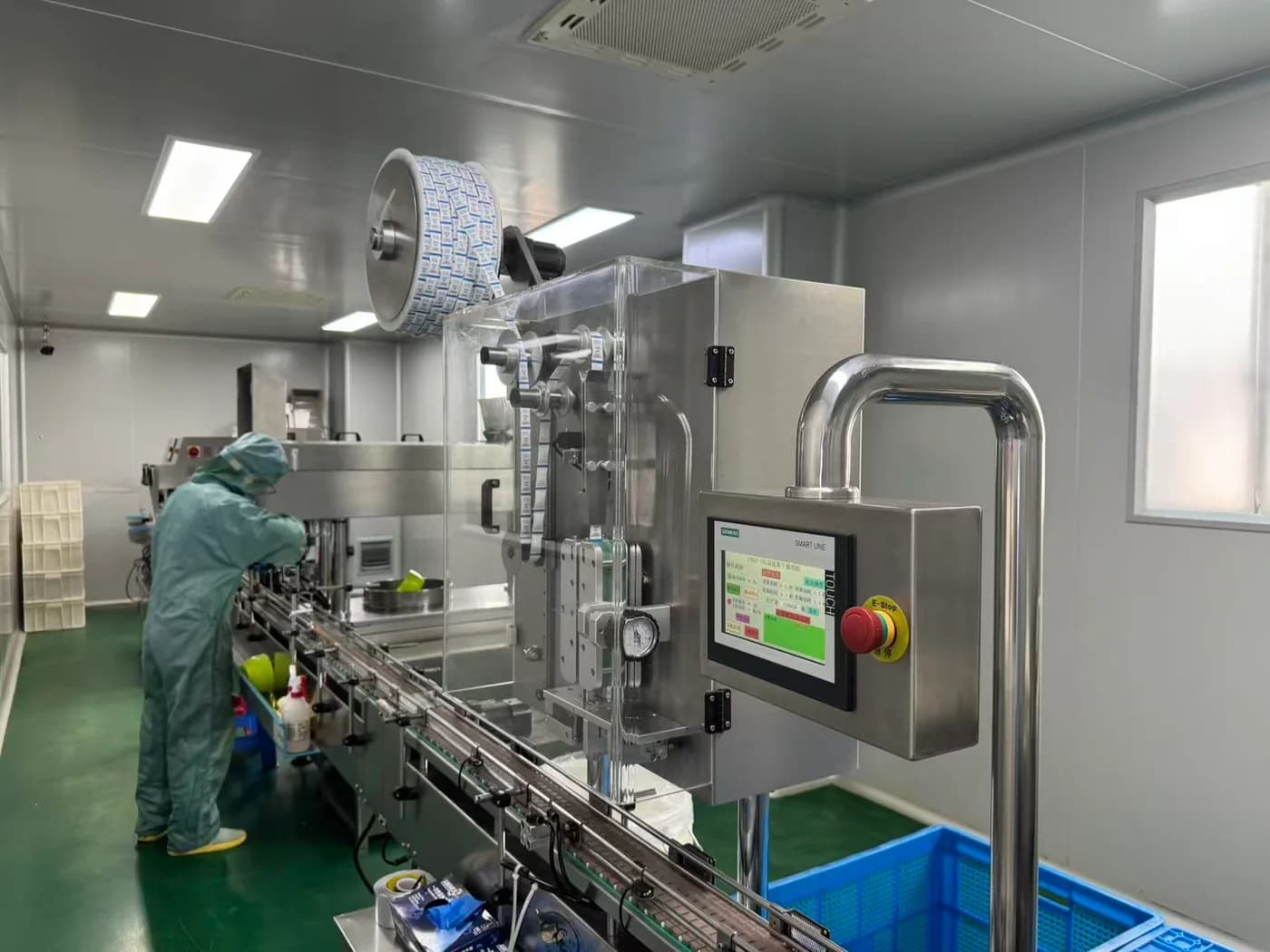
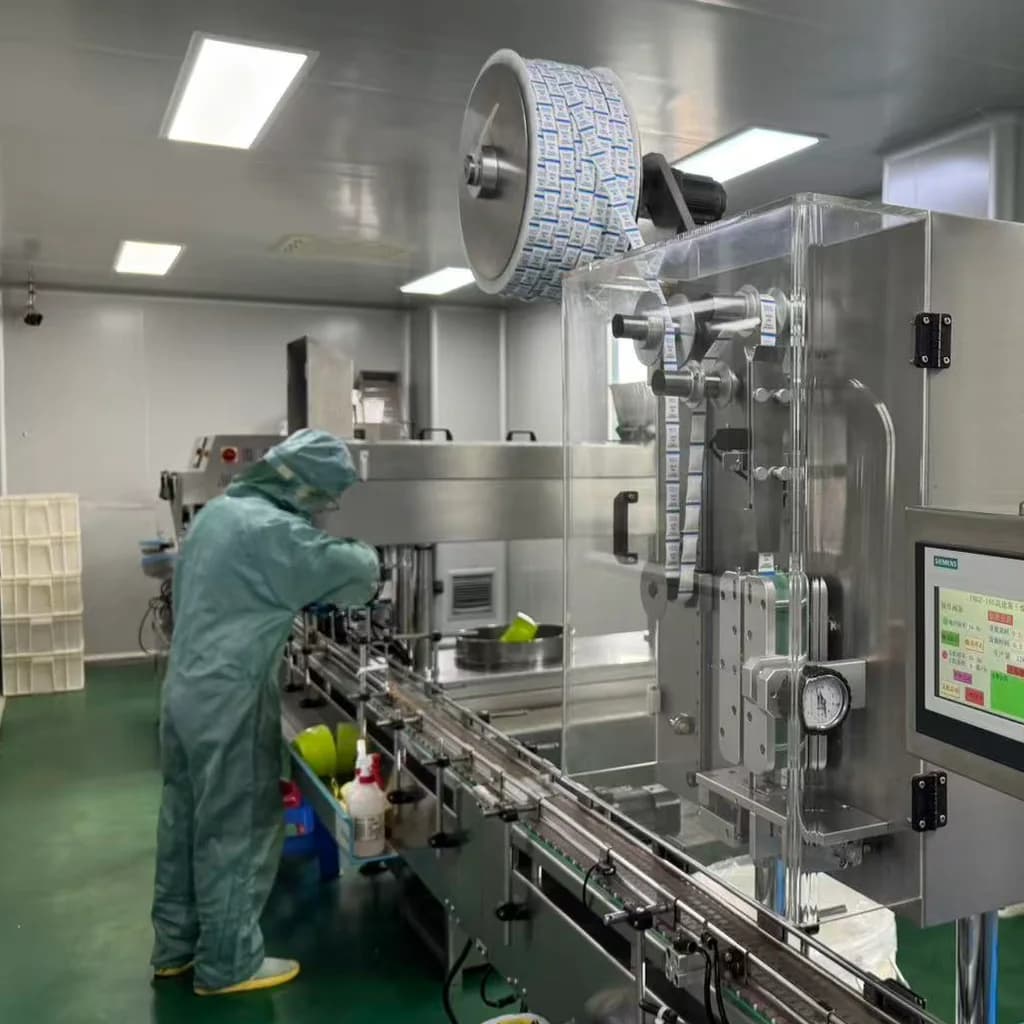
The best supplement manufacturers in China run dedicated lines for capsules, tablets, softgels, powders and gummies. EUPHM operates 6 lines in Guangdong with a combined capacity of 2 million units per month. That matters when you scale from a 1,000-unit pilot to a 50,000-unit retail order without changing suppliers. Equipment includes automatic encapsulation, tablet compression, fluid-bed drying and inline metal detection.
Capacity alone is not enough. Check whether the plant runs your dosage form on a dedicated line or shares it with other products. Shared lines increase cross-contamination risk and lengthen changeover times. Ask for the line schedule and a written cleaning validation protocol. A manufacturer that cannot provide these is not ready for US or EU retail.
Formulation and ingredient sourcing
Formulation support separates a contract manufacturer from a filler. EUPHM’s team helps with excipient selection, flavour masking, delayed-release coatings and stability testing. Ingredient sourcing is documented: each raw material arrives with a Certificate of Analysis, and the plant verifies identity by HPLC or FTIR before release to production. For organic or non-GMO claims, supply chain documents are kept on file for audit.
If your formula includes branded ingredients — curcumin, ashwagandha, collagen peptides — confirm the manufacturer holds a valid distribution agreement. Some Chinese plants substitute unbranded actives without telling the buyer. Request a locked formula and a signed specification sheet before you pay a deposit. That single step prevents most post-launch compliance problems.
Quality, compliance and logistics
The best supplement manufacturers in China hold GMP, ISO 22000 and HACCP. EUPHM adds halal and vegan certifications where the product requires them. The facility is FDA-registered, which allows US importers to clear customs without a prior notice rejection. Every batch is tested for potency, heavy metals, microbial limits and disintegration before release.
Logistics matter as much as production. Guangdong ports — Yantian, Shekou, Nansha — offer direct sailings to Los Angeles, Rotterdam and Jebel Ali. Typical transit is 18–25 days to the US West Coast, 28–35 days to Europe, and 12–18 days to the Middle East. The plant provides commercial invoices, packing lists, health certificates and free sale certificates for customs clearance.
Quality control and batch documentation at top China supplement manufacturers
At a GMP-certified plant in China, every raw material batch is quarantined until identity testing by FTIR or HPLC confirms it matches the certificate of analysis. For finished products, each lot is tested for potency (assay of active markers), microbial limits (total plate count, yeast and mould, E. coli, Salmonella), heavy metals (lead, arsenic, cadmium, mercury by ICP-MS), and disintegration time for tablets and capsules. Testing occurs at three points: incoming materials, in-process samples, and finished goods before release. A typical COA lists test parameters, specifications, results, and pass/fail status, signed by the QC manager.
Retention samples from each batch are kept for at least two years after the expiry date, stored under controlled temperature and humidity. Stability protocols follow ICH guidelines: accelerated conditions at 40°C/75% RH for six months, plus real-time data at 25°C/60% RH for 24 to 36 months. These protocols support shelf-life claims of 24 months for most encapsulated and tableted products, and 18 to 24 months for powders and gummies. Batch records include blending logs, fill weights, line clearance checks, and deviation reports, all traceable to the lot number printed on the retail label.
Packaging, Labelling and Retail Readiness
Chinese contract manufacturers offer primary packaging in HDPE bottles (30–500 mL), blisters (PVC/PVDC or alu-alu), stick packs (2–10 g), and sachets (5–30 g). Secondary options include shrink bands, induction seals, and child-resistant closures. For US retail, labels must include the supplement facts panel, list of ingredients with quantities, allergen statements, and the manufacturer’s address. EU labels require nutrition declaration per 100 g and per serving, plus storage conditions. The factory can print lot numbers and expiry dates by inkjet or laser, with formats matching your market (MM/YYYY or DD/MM/YYYY).
Cartons are typically 5-ply corrugated, with dimensions and pallet configurations agreed before production. A standard 40-foot container holds 20–24 pallets, each with 1,200–1,800 bottles depending on size. For Amazon FBA, the factory can apply FNSKU labels and poly-bag units, but you must provide the label file and instructions. Retail compliance checks include barcode verification (UPC/EAN), and for some markets, notification to local authorities. The factory does not handle regulatory registration on your behalf, but provides the technical file and free-sale certificate to support your submissions.
MOQ, lead times and delivery from China supplement manufacturers
Sampling starts with a 7–10 working day turnaround for stock formulas, or 10–15 working days for custom formulations that require flavour or colour matching. Sample costs are typically credited against the first bulk order. Once the formula and packaging are approved, mass production takes 20–35 working days, depending on component availability and line scheduling. Delays can occur if imported packaging (e.g., specific bottles or labels) is used, so order packaging early or use the factory’s standard stock.
Shipping options include air freight (5–10 days door-to-door) for urgent or low-volume orders, and sea freight (25–40 days port-to-port) for full containers. Incoterms commonly used are EXW (ex-works), FOB (free on board), and DDP (delivered duty paid). DDP is convenient for Amazon sellers but requires the factory to have a reliable customs broker. Documents provided with each shipment include the commercial invoice, packing list, bill of lading, certificate of analysis, MSDS (for powders and liquids), and a free-sale certificate. Phytosanitary certificates are issued only for herbal raw materials when required by the destination country.
Formats and Packaging Options
Hard capsules
Vegetarian or gelatin, 250–1,200 mg fill. Suitable for powders, granules and pellets. Common for probiotics, herbal extracts and amino acids.
Tablets
500–1,500 mg, immediate or sustained release. Film-coated for taste masking. Ideal for multivitamins and mineral complexes.
Powders
5–30 g sachets or tubs. Flavoured or unflavoured. Used for protein, pre-workout, collagen and electrolyte blends.
Gummies
2–5 g pieces, pectin or gelatin base. Vegan options available. Popular for children’s vitamins and beauty supplements.
How We Work
- 01
Request certifications
GMP, ISO 9001, ISO 22000, HACCP, NSF/ANSI 455-2 and halal certification; FDA facility registration for US-bound shipments.
- 02
Order a sample
Pay for a 7–10 day sample run. Assess taste, texture, disintegration and packaging. Do not rely on photos or videos alone.
- 03
Audit the plant
Visit or send a third-party auditor. Check raw material storage, production flow, cleaning logs and finished goods quarantine areas.
- 04
Lock the formula
Sign a specification sheet listing every ingredient, excipient and dosage. This prevents silent substitutions during mass production.
- 05
Confirm lead times
Get written timelines for samples, mass production and shipping. 20–35 working days is standard; anything under 15 is a red flag.
- 06
Test the first batch
Send production samples to an independent lab for potency and heavy metals. Compare results against the locked specification before full release.
Why EUPHM
Low MOQ for pilots
Start at 1,000 units per SKU, not 10,000. Test the market before committing to large inventory.
Certified for export
GMP, ISO 9001, ISO 22000, HACCP, NSF/ANSI 455-2 and halal certification; FDA facility registration for US-bound shipments.
Formulation support
In-house team assists with excipients, coatings, stability and label claims. Reduces back-and-forth with third-party formulators.
Questions buyers ask.
What is the MOQ for supplement manufacturing in China?+
Most Chinese contract manufacturers set MOQs between 1,000 and 5,000 units per SKU for retail bottling. EUPHM offers lower thresholds for pilot runs, typically 1,000 units, so brands can test formulations before scaling.
How long does production take?+
Sample lead time is 7–10 working days. Mass production runs 20–35 working days after formula and packaging approval. Add 18–25 days for sea freight to the US West Coast, or 28–35 days to Europe.
Are Chinese supplement manufacturers FDA approved?+
No. The FDA does not approve supplement manufacturers. It registers facilities that meet certain requirements. Look for an FDA-registered facility with GMP, ISO 22000 and HACCP certifications, and request batch-specific Certificates of Analysis.
Can I get a custom formula?+
Yes. EUPHM’s formulation team develops custom blends for capsules, tablets, powders and gummies. Provide target dosages and claims; the team returns a sample within 7–10 working days. A locked specification sheet is signed before mass production.
What certifications should I check?+
At minimum: GMP, ISO 22000 and HACCP. For specific markets, add halal or vegan. Verify certificate numbers with the issuing body. EUPHM holds all of these and provides copies during the quoting stage.
Can you provide a certificate of analysis for each batch?+
Yes. A batch-specific COA is issued for every production lot, covering identity, potency, microbials, heavy metals, and disintegration. It is signed by the QC manager and includes the lot number, manufacturing date, and expiry date. The COA is provided as a PDF before shipment and a printed copy is included in the shipping documents. If you need additional tests, such as pesticide residues or allergen screening, these can be arranged at extra cost and lead time.
What label formats do you support for US and EU retail?+
The factory supports US supplement facts panels, EU nutrition declarations, and allergen statements. Labels can be supplied as print-ready PDFs or designed by the factory’s in-house team for a fee. Lot and expiry coding is applied by inkjet or laser. Barcode verification (UPC/EAN) is performed before printing. For Amazon FBA, FNSKU labels can be applied if you provide the label file. The factory does not handle regulatory notification, but provides the technical file to support your own submissions.
What are the typical payment terms for a first order?+
For new customers, payment terms are usually 50% deposit upon order confirmation and 50% balance before shipment. The deposit covers raw material procurement and packaging. For repeat orders, terms may be negotiated to 30% deposit and 70% against copy of bill of lading. Payment methods include T/T and irrevocable L/C at sight. All terms are specified in the proforma invoice. The factory does not offer open account terms for first orders.
What is the shelf life of supplements manufactured in China?+
Shelf life is typically 24 months for capsules and tablets, and 18 to 24 months for powders and stick packs, based on stability data. The manufacturer should provide real-time and accelerated stability results to support the expiry date. If you need a longer shelf life, ask for a stability protocol before production, as reformulation may be required.
Can you manufacture supplements with organic or non-GMO claims?+
Yes, provided the raw materials are certified. Organic claims require organic certification for the finished product, which is issued by a recognised certifier. Non-GMO claims require supplier declarations and testing where applicable. Not all China supplement manufacturers hold these certifications, so confirm before ordering.
How do you handle intellectual property and formula confidentiality?+
A reputable China supplement manufacturer will sign a non-disclosure agreement and a manufacturing agreement that assigns formula rights to you. They should also restrict access to your formula and batch records. Ask for a written IP policy and confirm that they do not produce a competing product with your formula for other clients.
Have a product in mind?
Send us the brief and we will come back with a formulation direction, indicative price and a realistic lead time — usually within one working day.