Manufacturing Resource Hub for Supplement Brands

Manufacturing Resource Hub for Supplement Brands

Practical guides for brand owners and procurement teams sourcing supplement manufacturing. Compare MOQs, lead times, certifications, and formulation options before you commit to a production run.

Manufacturing Resource Hub for Supplement Brands

Overview

This hub collects the reference material buyers ask for most: minimum order quantities, sample and mass production timelines, capsule and tablet fill weights, and the compliance documents you need for US, EU, UK and Middle East retail. Each guide is written from the floor of a GMP-certified plant in Guangdong, so the numbers reflect real line capacity rather than generic estimates.

Key specifications
MOQ (retail bottling)1,000 units per SKU
MOQ (pilot run)500–1,000 units per SKU
Sample lead time7–10 working days
Mass production20–35 working days
CertificationsGMP, ISO 9001, ISO 22000, HACCP, NSF/ANSI 455-2, halal, FDA-registered
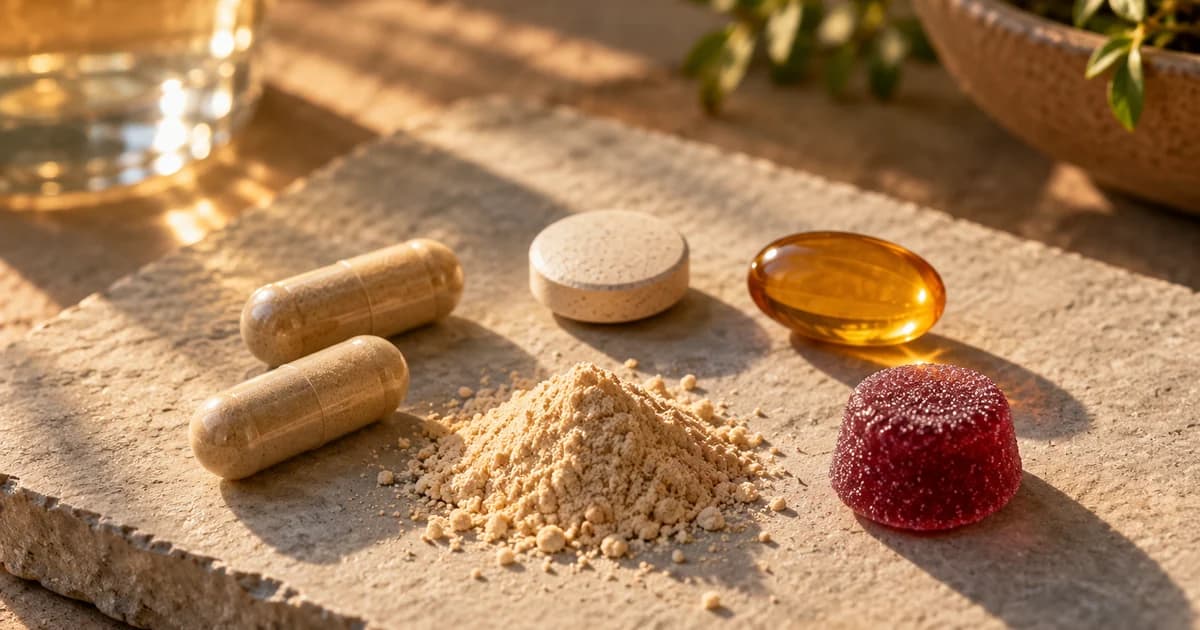
Dosage formsCapsules, tablets, softgels, powders, gummies

Production capability and line capacity

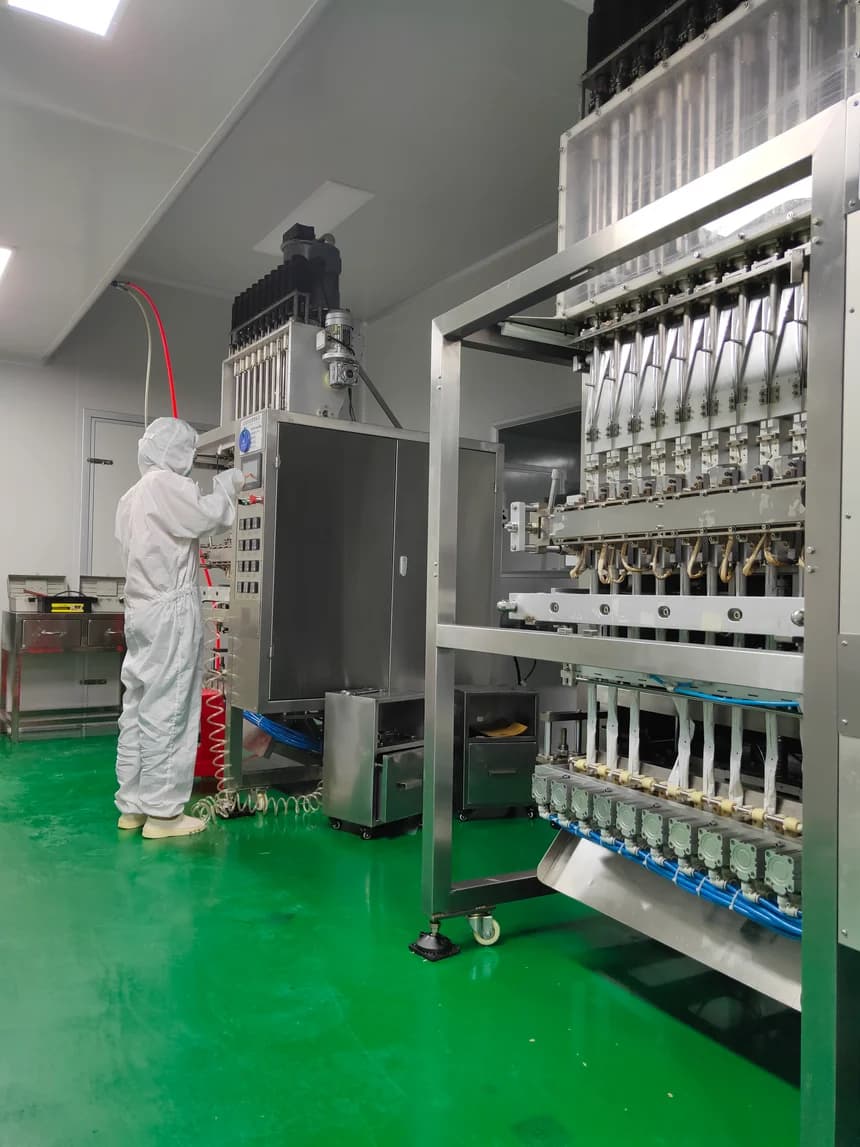
Our plant runs separate lines for capsules, tablets, softgels, powders and gummies. Capsule filling handles sizes 0 to 000, with fill weights from 250 mg to 1,200 mg. Tablet compression covers 100 mg to 1,500 mg at up to 300,000 tablets per shift. Softgels run from 500 mg to 1,500 mg. Powder blending supports 5 kg to 500 kg batches, and stick-pack filling runs at 60 to 120 packs per minute.

Retail bottling covers 30 cc to 1,000 cc HDPE and PET containers, plus blister packs and sachets. Changeover between SKUs takes 4 to 8 hours depending on format. That matters when you are scheduling a multi-SKU launch. We hold 12 filling lines and can run parallel batches for brands that need several products shipped together.

Formulation, ingredients and dosage forms

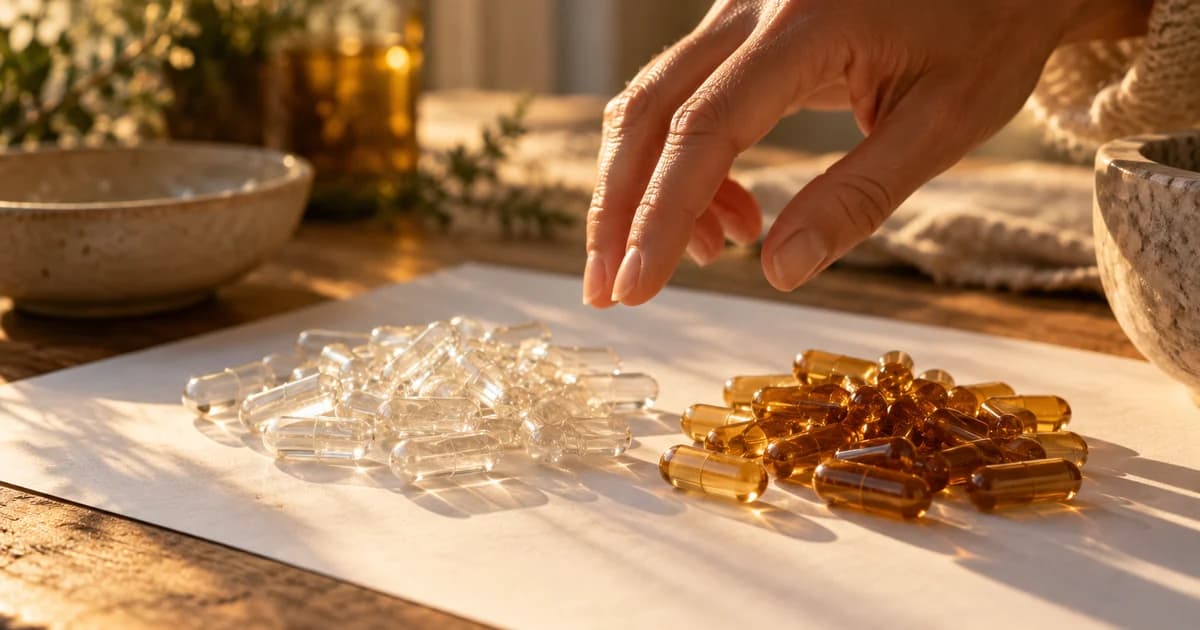
Formulation starts with your target label claim, not the other way around. If you need 500 mg of a botanical extract per capsule, we calculate the extract ratio, carrier and flow agent needed to hit that claim within a size 0 capsule. Common carriers include microcrystalline cellulose, magnesium stearate and silicon dioxide. We also work with pullulan and HPMC capsules for vegan and halal requirements.

Ingredient sourcing covers standard vitamins, minerals, amino acids, probiotics, adaptogens and marine ingredients. For organic or claims, we source certified inputs and keep batch records for audit. Flavour systems for gummies and powders include natural, natural-identical and stevia-sweetened options. Every formulation is reviewed against your target market's permitted ingredients list before sampling begins.

Quality, compliance and export logistics

The facility is GMP-certified, ISO 22000 and HACCP compliant, and holds halal certification where the product line requires them. We are an FDA-registered facility for US-bound shipments. Certificates of analysis, allergen statements, and stability data are issued per batch. Heavy metal, microbial and pesticide testing is done on finished goods, not just raw materials.

Export documentation covers commercial invoice, packing list, certificate of origin, health certificate and, where needed, halal certificates. We ship FOB Shenzhen and Yantian, with air freight from Hong Kong Baiyun. Typical sea freight to Los Angeles is 18 to 24 days, to Rotterdam 28 to 35 days, and to Jebel Ali 20 to 26 days. DDP terms are available for repeat buyers.

Quality control and batch documentation in supplement manufacturing

Every batch of supplement manufacturing starts with raw material quarantine. Incoming APIs, botanicals, excipients and capsule shells are sampled per AQL 0.65 and tested for identity by FTIR or HPTLC, assay by HPLC or UV, microbial limits (TPC, yeast and mould, E. coli, Salmonella), heavy metals by ICP-MS against USP <232> limits, and pesticide residues where relevant. Materials are released only after the QC laboratory signs the raw material COA. Retained samples of each incoming lot are stored for two years beyond the finished product expiry.

In-process checks run at defined intervals: blend uniformity at 10 points per 500 kg, weight variation every 15 minutes on encapsulation lines (target ±5% for capsules above 300 mg), hardness and friability every 30 minutes for tablets, and disintegration testing at start, middle and end of each compression run. Finished products are tested for potency, uniformity of dosage units, microbials, heavy metals and disintegration. A batch is released only when all results meet the finished specification, and the batch record is reviewed by QA before packaging.

The certificate of analysis (COA) issued with each batch lists product name, lot number, manufacture and expiry dates, specification and test method for each parameter, results, and the QC and QA signatories. Stability follows ICH Q1A: 25°C/60% RH and 40°C/75% RH for six months accelerated, plus ongoing real-time data at 12, 24 and 36 months. A 24-month shelf life is supported by real-time data, while 36 months requires either real-time data or an approved extrapolation. Retention samples of each finished lot are kept for one year past expiry.
Packaging, Labelling and Retail Readiness

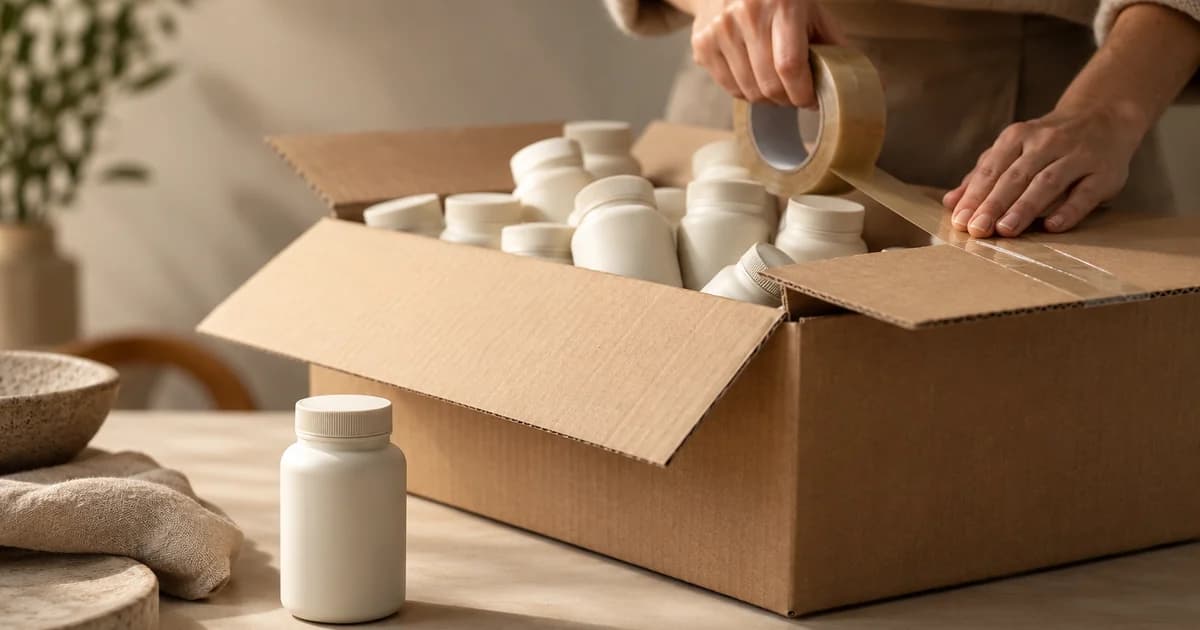
Standard packaging for supplement manufacturing includes HDPE bottles from 30 mL to 500 mL with induction seals and child-resistant closures where required, blisters in PVC/PVDC or alu-alu, stick packs from 5 g to 30 g, and sachets from 2 g to 10 g. Gummy products are packed in PET or HDPE jars with desiccant. Bottle filling lines run at 60 to 120 bottles per minute depending on count size, and we can apply shrink bands, cotton or desiccant, and tamper-evident seals. Cartons are specified to your retail channel, typically 12, 24 or 48 units per shipper.

Labels must carry the elements required by 21 CFR 101.36 for US dietary supplements: statement of identity, net quantity, supplement facts panel with serving size and percent daily value, ingredient list in descending order, allergen declaration, and the manufacturer or distributor name and address. For EU and UK retail, the nutrition declaration, allergen highlighting and the food business operator address are required. We print lot number and expiry date by inkjet or laser at the filling line, in a format agreed at artwork approval, and retain a printed sample per lot.

For Amazon FBA, we apply FNSKU labels over the barcode or print them directly, and pack to the carton weight and dimension limits in the seller's inbound plan. Retail compliance checks cover barcode scannability (GS1-128 or UPC-A), carton drop testing to ISTA 1A, and pallet configuration. Standard pallets are 1200 x 1000 mm or 1200 x 800 mm, stretch-wrapped and corner-boarded, with a maximum height of 1.8 m for sea freight and 1.6 m for air. We provide a packing list and pallet label per shipment.

MOQ, lead times and delivery in supplement manufacturing

Sampling starts with a 7 to 10 working day turnaround once formula, dosage form and packaging are confirmed. The sample set typically includes 2 to 5 units per SKU in retail packaging, a draft COA and a label proof. Client feedback on taste, colour, capsule size or tablet hardness is incorporated in one revision round at no extra cost. Pilot runs of 500 to 1,000 units follow sample approval and take 12 to 18 working days, which allows a small retail test before committing to a full production order.

Mass production runs 20 to 35 working days after artwork approval and receipt of deposit. That window covers raw material release, blending, encapsulation or compression, coating, packaging and QC release. Delays most often come from artwork changes after plate or label printing has started, so we freeze artwork before the production slot is confirmed. We provide a production schedule with milestone dates at order confirmation and update it weekly.

Delivery terms are EXW, FOB Shenzhen or Hong Kong, or DDP to your warehouse. Air freight takes 5 to 8 days door to door for 100 kg to 1,000 kg, while sea freight takes 25 to 35 days to the US West Coast, 30 to 40 days to Europe and 18 to 28 days to Middle East ports. Each shipment includes a COA per lot, MSDS where applicable, a free-sale certificate, and a phytosanitary certificate for plant-derived ingredients where the destination requires it. Commercial invoice and packing list are issued with the bill of lading.

Configurations to Compare

MOQ and pricing guide

Breakdown of unit costs at 1,000, 5,000 and 10,000 units, including bottle, label and carton costs.

Lead time planner

Sample to shelf timeline with buffer for label approval, freight booking and customs clearance in your market.

Certification checklist

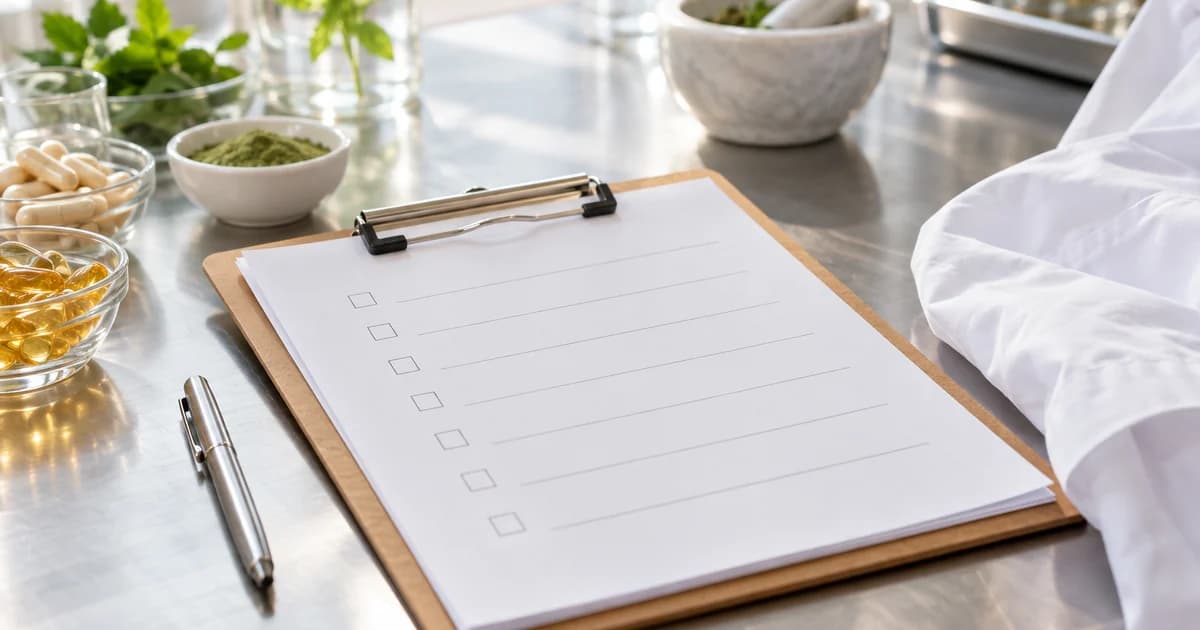
Which documents US, EU, UK and Middle East importers ask for, and how long each certificate takes to issue.

Formulation brief template

A one-page brief covering actives, fill weight, dosage form, claims and target retail price.

From Brief to Batch

  1. 01

    Send your brief

    Share target actives, dosage form, fill weight, MOQ and destination market. We reply within 1 working day with feasibility notes.

  2. 02

    Quotation and sample

    You receive a costed quote and a sample timeline. Samples ship in 7–10 working days after formula approval.

  3. 03

    Formula sign-off

    You approve the sample, label artwork and specification sheet. We lock the bill of materials and batch record.

  4. 04

    Production slot

    Mass production runs 20–35 working days. You get a batch number and in-process checkpoints at blending, filling and packing.

  5. 05

    QC and documentation

    Finished goods testing covers assay, microbials, heavy metals and disintegration. Certificates of analysis are issued per batch.

  6. 06

    Shipping and handover

    We book freight, prepare export documents and send tracking. DDP or FOB terms depending on your preference.

Why EUPHM

Numbers, not estimates

Every guide lists real MOQs, fill weights, line speeds and transit times from our Guangdong plant.

Market-specific compliance

Documents and ingredient checks are mapped to US, EU, UK and Middle East rules, not generic global advice.

Pilot-friendly entry

Pilot runs start at 500 units so you can test a formula before committing to a 5,000-unit retail batch.

Questions buyers ask.

What is the minimum order quantity for a retail-ready supplement?+

For retail bottling, MOQ is 1,000 units per SKU. Pilot runs start at 500–1,000 units per SKU. The higher figure applies when you need custom bottle tooling or a printed carton. If you are launching multiple SKUs, we can combine them into one production slot to reduce changeover cost.

How long does sampling take before mass production?+

Sample lead time is 7–10 working days after formula and label approval. That covers raw material picking, small-batch blending, encapsulation or compression, and QC. If your formula needs a new flavour or a certified organic input, add 5–7 working days for sourcing.

Which certifications does the facility hold?+

The plant is GMP-certified, ISO 22000 and HACCP compliant. We also hold halal certification for relevant product lines, and can produce vegan capsules. We are an FDA-registered facility for US-bound shipments. Certificates are shared at quotation stage so you can verify before committing.

Can you handle organic or claims?+

Yes, provided the inputs are certified organic and the batch is run under our organic programme. We keep separate batch records and cleaning logs for organic runs. If your target market requires we source inputs from certified suppliers and issue the documentation your importer needs.

What are typical shipping times to the US, EU and Middle East?+

Sea freight from Shenzhen or Yantian is 18–24 days to Los Angeles, 28–35 days to Rotterdam, and 20–26 days to Jebel Ali. Air freight from Hong Kong Baiyun is 3–6 days to most major airports. We ship FOB or DDP. DDP is available for repeat buyers with a signed supply agreement.

What is the shelf life of your supplements and how is it supported?+

Shelf life is set by dosage form and formulation, typically 24 months for capsules and tablets and 18 to 24 months for gummies. It is supported by ICH Q1A stability data at 25°C/60% RH and 40°C/75% RH, with real-time data at 12, 24 and 36 months. We do not assign a shelf life beyond the data held for that formula. A 36-month claim requires real-time data or an approved extrapolation.

Can you match a competitor's capsule size, colour or tablet shape?+

Yes. We hold standard capsule tooling in sizes 000 to 4 and can match colour combinations using opacified or transparent shells. For tablets, we have round, oval, oblong and caplet tooling from 6 mm to 22 mm, and custom tooling can be cut in 15 to 20 working days at additional cost. Send a physical sample or detailed drawing with dimensions, target weight and hardness, and we will confirm feasibility before sampling.

What payment terms and deposit do you require for a production order?+

Standard terms are 30% deposit with the purchase order and 70% balance against the bill of lading or before dispatch for DDP shipments. For first orders, we may request 50% deposit until a payment history is established. We accept T/T and can discuss LC at sight for orders above USD 50,000. Deposit and balance milestones are written into the proforma invoice so the production schedule is not held up by payment delays.

Articles

7 guides

All articles →

Have a product in mind?

Send us the brief and we will come back with a formulation direction, indicative price and a realistic lead time — usually within one working day.