What Is a Nutraceutical? A Buyer's Guide to Definitions and Production
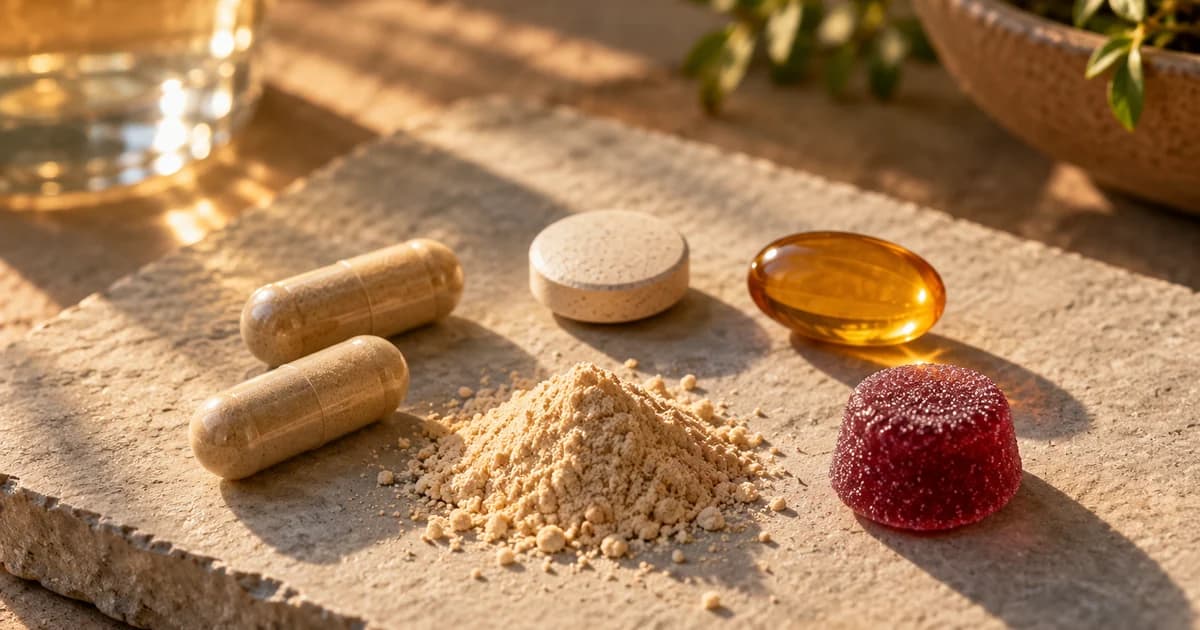
A nutraceutical is a food-derived product sold in a medicinal format—capsule, tablet, softgel, powder, or gummy—that delivers a concentrated bioactive. It sits between food and pharmaceutical: regulated as a supplement, not a drug.
Overview
The term covers a wide range of products: vitamin D3 softgels, probiotic capsules, collagen powders, turmeric gummies, and omega-3 liquids. What unites them is not the ingredient but the delivery format and the intended physiological benefit. For brand owners, the practical question is not academic. It determines which regulations apply, which certifications you need, and which contract manufacturer can produce at your target volume. This guide covers the definition, common formats, and the production realities behind each.
| MOQ – retail bottling | 1,000 units per SKU |
|---|---|
| MOQ – pilot runs | From 500 units, format dependent |
| Sample lead time | 7–10 working days |
| Mass production lead time | 20–35 working days after approval |
| Certifications | GMP, ISO 9001, ISO 22000, HACCP, NSF/ANSI 455-2, halal, FDA-registered |
| Fill weight range | Capsules 150–1,200 mg; powders 5–500 g; gummies 2–5 g |
Production Capability Across Nutraceutical Formats
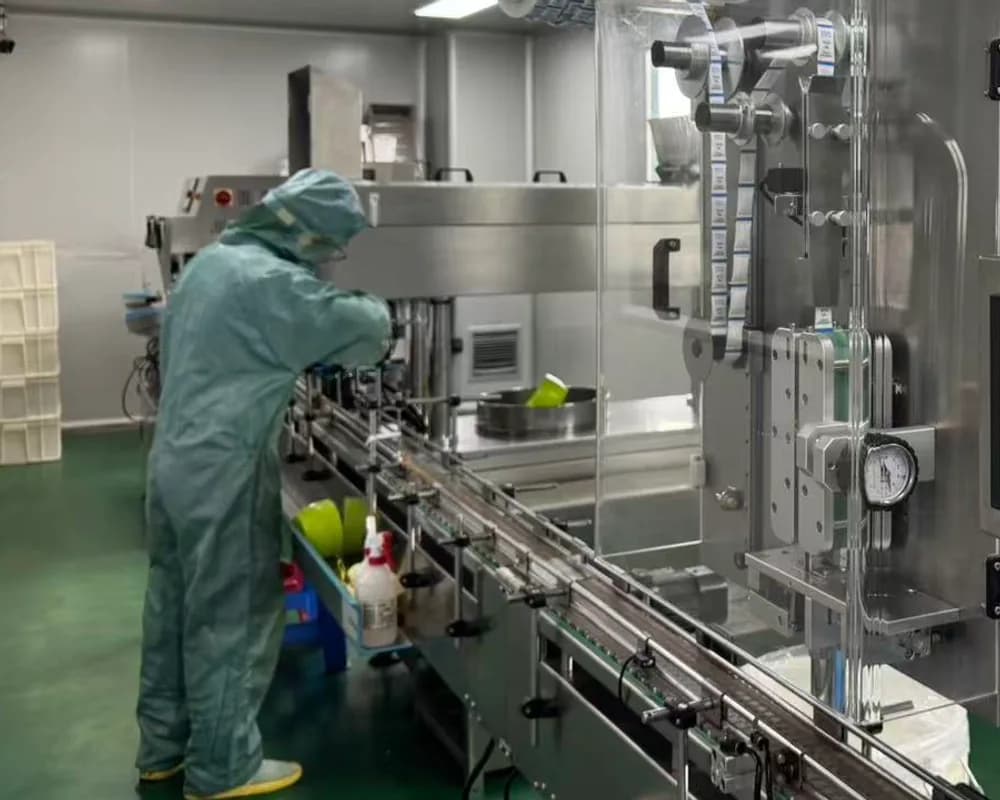
A nutraceutical is defined by its format as much as its ingredient. Hard-shell capsules suit powders and granules; softgels suit oils and lipid-soluble actives; tablets suit high-dose minerals and compressed blends. Each format has different tooling, fill tolerances, and minimum run lengths. A plant that runs all four can match the format to the ingredient rather than forcing the ingredient into a single line. EUPHM operates capsule, tablet, softgel, powder, and gummy lines under one roof in Guangdong.
Capacity matters when you scale. A single capsule line can fill 60,000–120,000 capsules per shift, depending on size and fill weight. Softgel lines run slower—typically 20,000–40,000 per shift—because of drying and curing steps. Powders and gummies have their own throughput curves. Knowing these numbers before you brief a manufacturer prevents the common mistake of promising a retail launch date that the line cannot meet.
Formulation and Ingredient Sourcing Details
A nutraceutical is only as good as its actives. Standardised botanical extracts, for example, specify a marker compound at a fixed percentage—curcumin at 95%, ashwagandha at 5% withanolides—so that every batch delivers the same dose. Vitamin and mineral premixes carry their own overage requirements to compensate for degradation over shelf life. Probiotic strains are defined by CFU count at end of shelf life, not at blending, which changes the overage strategy entirely.
Ingredient origin affects labelling and compliance. Organic claims require USDA organic or EU organic certification for the finished product, not just the raw material. Halal certifications apply to the gelatin capsule shell as well as the fill. Vegan capsules use HPMC or pullulan instead of bovine gelatin. For the Middle East and Southeast Asia, halal certification is often non-negotiable. These are formulation decisions, not afterthoughts—they change the bill of materials and the cost per unit.
Quality, Compliance and Logistics
Nutraceuticals are regulated differently from pharmaceuticals. In the US, they fall under DSHEA and require FDA-registered facility status, not FDA approval. In the EU, they are food supplements under Directive 2002/46/EC. The UK follows retained EU law with its own notification scheme. The Middle East varies by country: Saudi Arabia requires SFDA registration, the UAE requires MOHAP approval. A contract manufacturer must be able to supply the documentation each market demands—certificate of analysis, MSDS, flow chart, and declaration of conformity.
Logistics for nutraceuticals include temperature-sensitive probiotics and omega-3 liquids, which may need cold-chain or insulated shipping. Standard capsules and tablets ship at ambient. Customs classification depends on format and ingredient: most fall under HS 2106.90, but some vitamin preparations sit under HS 2936. Incorrect classification delays clearance. A manufacturer experienced in export documentation reduces that risk. EUPHM ships to the US, EU, UK, and Middle East with market-specific dossiers.
Quality Control and Batch Documentation
Every nutraceutical batch is tested at three stages: incoming raw materials, in-process, and finished goods. Raw material identity is confirmed by FTIR or HPLC against a reference standard, and potency is assayed to ensure the label claim can be met. Microbial testing covers total aerobic count, yeast and mould, E. coli, Salmonella, and Staphylococcus aureus. Heavy metals (lead, arsenic, cadmium, mercury) are screened against USP <232> or EU limits. Disintegration testing confirms capsules and tablets break down within the pharmacopoeial window, typically 30 minutes for capsules and 15 minutes for uncoated tablets.
A Certificate of Analysis (COA) is issued per batch and includes the product name, lot number, manufacturing date, expiry date, tests performed, specifications, results, and the analyst's signature. For export orders, the COA is often accompanied by a specification sheet and a statement of allergen status. Retention samples of each batch are kept for the shelf life plus six months, stored under label conditions. Stability protocols follow ICH Q1A(R2) guidelines, with accelerated testing at 40°C/75% RH for six months and real-time testing at 25°C/60% RH for the declared shelf life.
In-process checks include weight variation (target ±5% for capsules), hardness for tablets, and seal integrity for sachets. Environmental monitoring in the filling room tests air and surface samples for microbial counts monthly. Water used in production meets purified water standards and is tested for conductivity and microbial limits. Any out-of-specification result triggers a documented investigation before the batch is released. The complete batch record, including all test results, is retained for at least five years and is available to the brand owner on request.
Packaging, Labelling and Retail Readiness
Nutraceuticals can be packed in HDPE bottles (30–500 mL), blister packs (10–30 tablets per card), stick packs (2–10 g), or sachets (5–30 g). Bottles are fitted with induction seals and child-resistant closures where required. Labelling must include the statement of identity, net quantity, ingredient list, allergen declaration, and a supplement facts panel for the US market. For the EU, nutrition and health claims must comply with Regulation (EC) No 1924/2006. Lot codes and expiry dates are inkjet-printed on the base or crimp, and cartons carry the same information plus a barcode (UPC or EAN).
Carton specifications are agreed per order: typical dimensions are 60×60×120 mm for a 60-count bottle, with corrugated board grade B or C. Pallets are standard 1200×1000 mm or 1200×800 mm, stretch-wrapped and strapped, with a maximum height of 1.8 m for sea freight. For Amazon FBA, the factory can apply FNSKU labels, poly-bag units, and print the required expiration date in the format MM/DD/YYYY. Retail compliance checks include verifying that the label has no prohibited claims, that the supplement facts panel matches the formula, and that the barcode scans correctly.
Brand owners should supply print-ready artwork at 300 dpi with 3 mm bleed. The factory provides a digital proof and a physical pre-production sample for approval before mass printing. For small runs, digital printing is available at 1,000 labels per SKU; offset printing becomes cost-effective above 10,000 units. Packaging materials are stored in a controlled environment and are subject to incoming inspection for print quality and dimensional accuracy.
MOQ, Lead Times and Delivery
The MOQ for a new nutraceutical depends on the format. Capsules and tablets typically start at 1,000 units per SKU for retail bottling, while pilot runs from 500 units are possible for powders and gummies. Sample lead time is 7–10 working days after formula and packaging approval. Mass production takes 20–35 working days after sample approval and receipt of deposit, depending on raw material availability and packaging complexity. Orders above 50,000 units may require an additional 10–15 working days.
Shipping options include air freight (5–10 days door-to-door) and sea freight (25–40 days port-to-port). Incoterms offered are EXW, FOB (Shenzhen or Hong Kong), and DDP for select destinations. For DDP, the factory handles customs clearance and duties, but the brand owner must provide an importer of record or use the factory's appointed agent. Air freight is suitable for orders under 500 kg or time-sensitive launches; sea freight is more economical for full container loads (FCL) or less-than-container loads (LCL) above 1 cbm.
Documentation provided with each shipment includes the commercial invoice, packing list, bill of lading or airway bill, Certificate of Analysis, Material Safety Data Sheet (MSDS) where applicable, and a free-sale certificate for markets that require it. Phytosanitary certificates are provided for botanical ingredients upon request. The factory can also arrange third-party inspection (e.g., SGS, Bureau Veritas) at the brand owner's cost. All documents are issued in English and can be legalised or apostilled if needed.
What We Can Build
Hard-shell capsules
Lowest cost per unit for powders and granules. Fill weights 150–1,200 mg. Suitable for vegan HPMC shells. Fastest tooling changeover.
Softgels
Best for oils, omega-3, vitamin D, and lipid-soluble actives. Higher unit cost due to drying and curing. Typical fill 200–1,500 mg.
Powders and stick packs
High-dose formats for collagen, protein, and pre-workout. Fill 5–500 g per serving. Stick packs offer single-serve convenience and lower shipping weight.
Gummies
Consumer-friendly for children and adults. Pectin or gelatin base. Typical piece weight 2–5 g. Heat-sensitive actives require careful process control.
From Spec to Shipment
- 01
Submit your brief
Provide target format, actives, fill weight, servings per container, and destination markets. Include any certification requirements such as halal, or organic.
- 02
Formulation review
A technical team checks ingredient compatibility, overage needs, and regulatory limits for each market. You receive a draft bill of materials and cost estimate within 3–5 working days.
- 03
Sample production
Samples are produced on the same lines as mass production. Lead time 7–10 working days. You approve appearance, taste, and analytical specifications before proceeding.
- 04
Order confirmation
MOQ is 1,000 units per SKU for retail bottling. Pilot runs start from 500 units. A deposit triggers raw material procurement and production scheduling.
- 05
Mass production
Production runs 20–35 working days after sample approval and deposit. In-process checks cover weight variation, hardness, disintegration, and microbial limits.
- 06
QC and shipping
Finished goods are tested against the certificate of analysis. Release documentation includes CoA, MSDS, and market-specific dossiers. Shipping is arranged to your port or 3PL.
Why EUPHM
Certified and audited
GMP, ISO 9001, ISO 22000, HACCP, NSF/ANSI 455-2 and halal certification; FDA facility registration for US-bound shipments.
Low MOQ for pilots
Start from 500 units to test market fit. Scale to 1,000 units per SKU for retail bottling without changing manufacturer or formulation.
Documentation for export
Market-specific dossiers for US, EU, UK, and Middle East. Includes CoA, MSDS, flow chart, and declaration of conformity to reduce customs delays.
Questions buyers ask.
What is the difference between a nutraceutical and a dietary supplement?+
In practice, the terms overlap. A dietary supplement is the legal category in the US under DSHEA. A nutraceutical is a broader marketing and scientific term for a food-derived product with a physiological benefit. Most products sold as nutraceuticals are regulated as dietary supplements in the US and as food supplements in the EU.
Can you produce nutraceuticals with halal certification?+
Yes. Halal certifications are available for both the fill and the capsule shell. This means using bovine gelatin from certified sources or switching to HPMC or pullulan shells. Certification adds 5–10 working days to the sample stage. Confirm the requirement at brief stage to avoid reformulation.
What is the MOQ for a pilot run of a new nutraceutical?+
Pilot runs start from 500 units, depending on format. Softgels and gummies have higher practical minimums due to setup and curing. Capsules and powders are more flexible. Retail bottling MOQ is 1,000 units per SKU. Pilot runs are priced higher per unit but let you test the market before committing to full production.
How long does it take to manufacture a nutraceutical order?+
Sample lead time is 7–10 working days. Mass production runs 20–35 working days after sample approval and deposit. Add 5–10 working days if you require third-party certification such as organic or halal. Shipping time depends on destination and freight method. Total from brief to delivered goods is typically 8–12 weeks.
Do nutraceuticals need FDA approval?+
No. In the US, dietary supplements do not require FDA approval before sale. The manufacturer must operate an FDA-registered facility and follow current Good Manufacturing Practices. Structure-function claims are allowed with a disclaimer. Disease claims are not. For the EU and UK, separate notification schemes apply. Always confirm market-specific rules before finalising label copy.
What is the shelf life of your nutraceutical products, and how is it determined?+
Shelf life is typically 24 months for capsules and tablets, and 18–24 months for gummies and powders, depending on the formula. It is established through accelerated stability testing at 40°C/75% RH for six months, with confirmation by real-time testing at 25°C/60% RH. The label expiry date is calculated from the manufacturing date and is supported by the stability protocol in the batch documentation.
Can you produce nutraceuticals with custom formulas that include proprietary blends?+
Yes. We produce custom formulas with proprietary blends, provided the ingredients are permitted in the target market and the blend is disclosed on the label as required by local regulations. You supply the formula and specifications; we verify ingredient compatibility, conduct a pilot run, and provide a sample for your approval. Non-disclosure agreements are signed before formula sharing.
What are the payment terms and deposit requirements for a nutraceutical order?+
Standard terms are 50% deposit with the purchase order and 50% balance before shipment. For first orders, we may require full payment for pilot runs under 1,000 units. We accept T/T and, for established customers, L/C at sight. Payment terms can be discussed for repeat orders and long-term supply agreements.
Xu Wei writes the manufacturing, quality and regulatory guides on EUPHM. He works directly with the plant's production and QA teams to document how each dosage form is made, tested and released, so every claim on the site can be traced back to a batch record or a certificate on file.
More guides in this category.
See all →
How to Choose a Supplement Manufacturer: A 2026 Buyer's Guide
A practical checklist for vetting supplement manufacturers in 2026: certificate scope, dosage-form fit, true landed cost, sample validation, batch records and the red flags to walk away from.
Read the guide →
How to Audit a Supplement Factory Remotely
You do not need a plane ticket to disqualify a bad factory. You need a document pack, a 45-minute live walkthrough with a fixed shot list, one complete batch record, and the discipline to check certificate numbers against the issuing body's own registry.
Read the guide →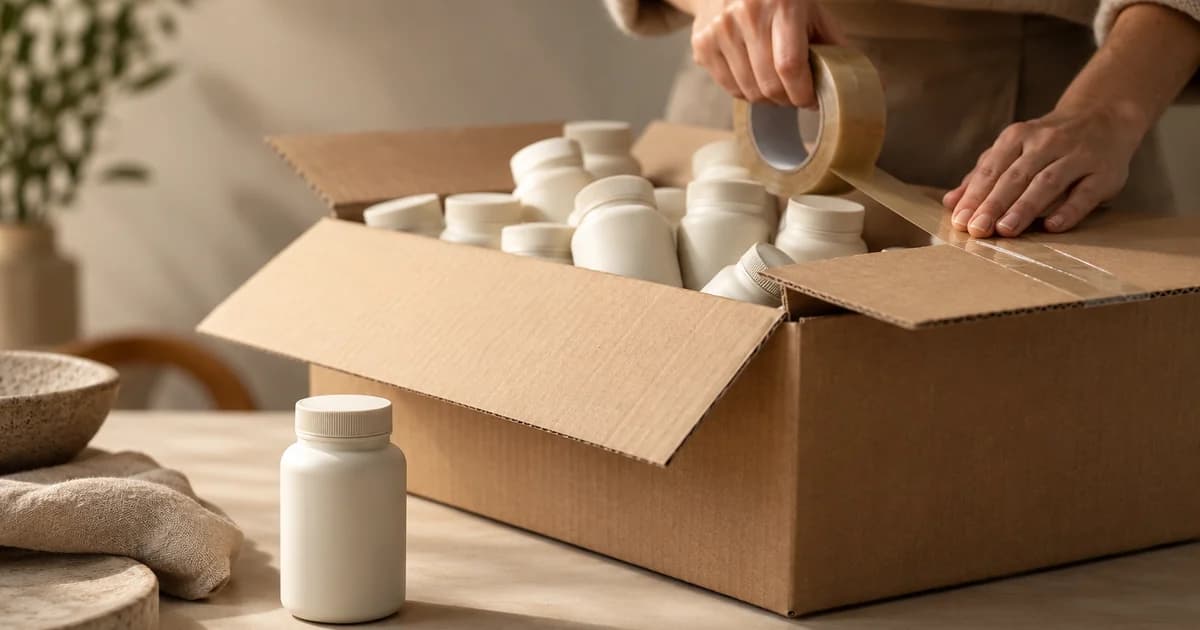
From Sample to Mass Production: A Buyer's Guide
Moving from a sample to mass production involves clear steps: sample approval, deposit, raw material sourcing, production scheduling, quality checks, and shipping. Each stage has defined timelines and costs. This guide covers the process for dietary supplements.
Read the guide →Have a product in mind?
Send us the brief and we will come back with a formulation direction, indicative price and a realistic lead time — usually within one working day.