Creatine Gummies Guide for Brand Owners and Procurement Teams
Creatine gummies are a fast-growing format in sports nutrition. This guide covers formulation, stability, dosing, MOQs, lead times and certifications so you can brief a contract…

Production data, MOQs and certification notes for sports nutrition brands. This hub collects practical guides on protein powders, pre-workouts, creatine and electrolytes, written for founders and procurement teams.

Sourcing sports nutrition products involves more variables than general supplements. Protein blends need specific fill weights and mixing tolerances. Pre-workouts face caffeine regulations that differ by market. Creatine monohydrate requires tight moisture control. This resource hub organises EUPHM's manufacturing notes by category, covering MOQs from 1,000 units, sample lead times of 7-10 working days and mass production windows of 20-35 working days. Use these guides to compare specifications before requesting a quote.
| Minimum order quantity | 1,000 units per SKU for retail bottling; lower for pilot runs |
|---|---|
| Sample lead time | 7-10 working days |
| Mass production lead time | 20-35 working days after sample approval |
| Certifications | GMP, ISO 9001, ISO 22000, HACCP, NSF/ANSI 455-2, halal, FDA-registered |
| Fill weight range | Powders: 200g-2kg; capsules: 60-180 count; softgels: 60-120 count |
| Facility location | Guangdong, China. FDA-registered facility for US-bound exports |
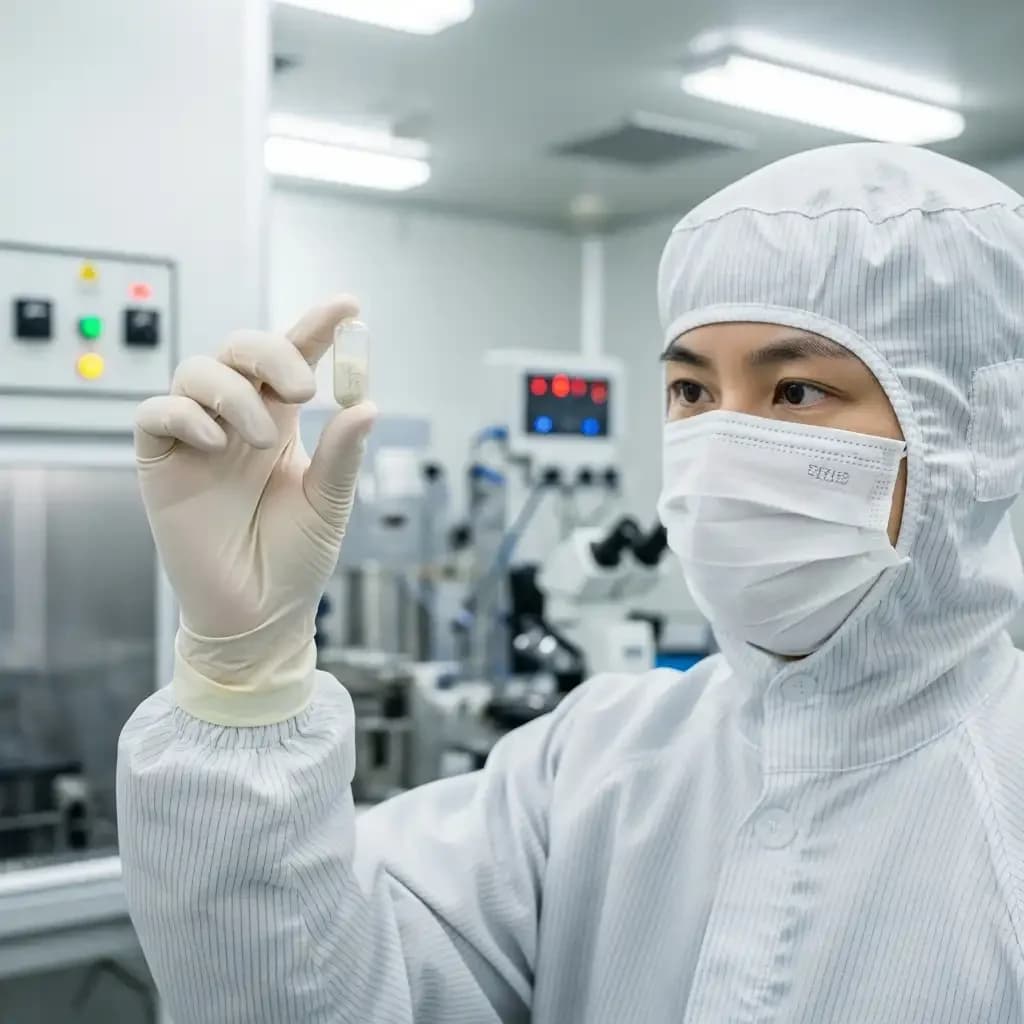
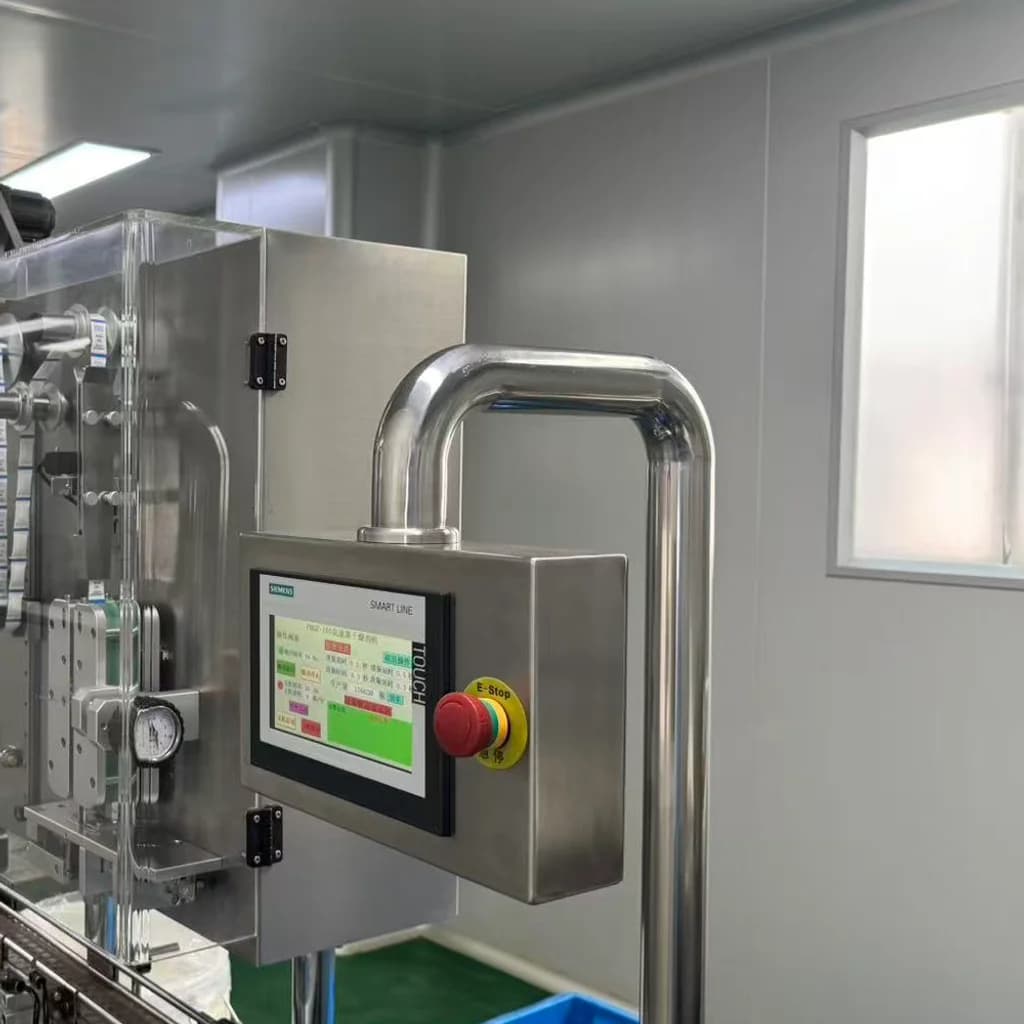
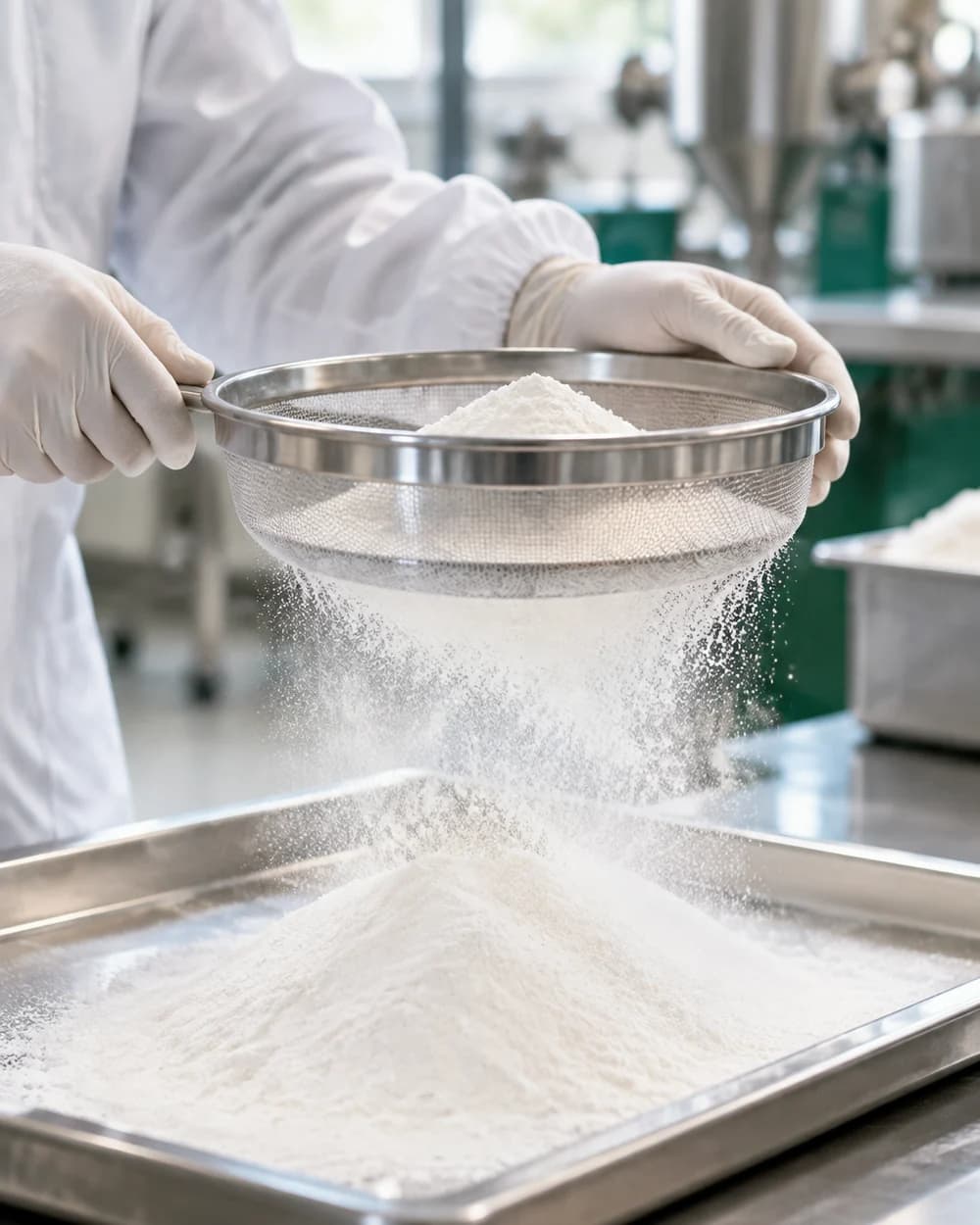
EUPHM runs separate lines for powder blending, capsule filling and softgel production. Powder lines handle 500kg to 2,000kg batches with ribbon and V-blenders, achieving uniformity within 5% for micronised creatine and branched-chain amino acids. Retail bottling supports fill weights from 200g to 2kg, with induction sealing and shrink bands. Capsule lines fill 60 to 180 count bottles for caffeine, beta-alanine and L-carnitine. Softgel capacity covers 60 to 120 count for oil-based formulas such as omega-3 and vitamin D3.
For brands scaling from pilot to retail, MOQs start at 1,000 units per SKU. Lower thresholds apply to pilot runs of 500 to 1,000 units when the formula uses existing stock ingredients. Mass production runs 20-35 working days after sample approval, depending on packaging lead times and whether the formula requires coated or sustained-release technology. Line capacity supports 15,000 to 25,000 bottles per day across powder and capsule formats.
Sports nutrition formulas often need taste masking, instant mixing and pH stability. Whey protein isolate at 90% protein requires lecithin addition at 0.5-1.5% to improve dispersibility. Pre-workout blends with 200-350mg caffeine per serving need buffering agents to reduce gastric irritation. Creatine monohydrate should be micronised to 200 mesh or finer to avoid sedimentation. Electrolyte powders benefit from a 2:1 sodium-to-potassium ratio, with dextrose or maltodextrin as a carrier at 40-60% of fill weight.
Ingredient sourcing follows market-specific rules. For EU-bound products, we source novel food compliant ingredients and provide full traceability from lot number to supplier. For US-bound products, we use FDA-registered facilities and maintain documentation for ingredients such as ashwagandha, beta-alanine and citrulline malate. Halal certifications are available for gelatine-free capsules and non-alcohol-based flavour systems. Organic and certifications apply to plant proteins and superfood blends where the supply chain meets the standard.
Every batch undergoes identity testing, potency assay and microbial screening before release. Heavy metals testing follows USP <232> and <233> for lead, arsenic, cadmium and mercury. Residual solvent testing applies to botanical extracts. Stability testing runs at 25°C/60% RH and 40°C/75% RH for 6 to 12 months, with accelerated data available at 3 months. EUPHM holds GMP, ISO 22000 and HACCP certifications, and maintains an FDA-registered facility for US exports.
Export documentation includes certificate of analysis, certificate of origin, health certificate, and halal certificates where applicable. For EU clients, we provide statements on novel food status and allergen cross-contamination controls. For Middle East clients, we supply shelf-life validation at 30°C/65% RH and Arabic labelling support. Shipping documents cover FOB, CIF and DDP terms. Typical documentation turnaround is 3-5 working days after batch release.
Every sports nutrition batch is tested at three points: incoming raw materials, in-process blend or encapsulation, and finished goods. Identity testing uses FTIR or HPLC against a reference standard. Potency assays confirm protein content by Kjeldahl or Dumas, caffeine by HPLC, and creatine monohydrate purity by titration. Microbial testing covers total aerobic count, yeast and mould, E. coli, Salmonella and Staphylococcus aureus. Heavy metals testing screens lead, arsenic, cadmium and mercury against USP <232> limits. Disintegration testing applies to capsules and tablets, with a 30-minute limit for most immediate-release formats.
A certificate of analysis (COA) is issued per batch and includes the product name, batch number, manufacturing date, expiry date, tests performed, specification limits, results and the analyst's signature. COAs are available in PDF within 5 working days of production completion. Retention samples of each batch are stored for 24 months under controlled conditions, and stability protocols follow ICH Q1A guidance with accelerated testing at 40°C/75% RH for 6 months and real-time testing at 25°C/60% RH for 24 months. These data support shelf-life claims of 18 to 24 months depending on format.
Microbial limits follow the specification agreed in the quality agreement, typically total aerobic count below 1,000 CFU/g for powders and absence of pathogens in 10g. Water activity is monitored for powder blends to confirm below 0.6, which reduces risk of caking and microbial growth. For creatine monohydrate, moisture content is kept below 0.5% to prevent sedimentation in ready-to-mix formats. Any out-of-specification result triggers a documented investigation and a hold on the batch until disposition is approved by the quality manager.
Primary packaging options include HDPE bottles with induction seals for powders from 200g to 2kg, PET jars for capsules and softgels, stick packs from 5g to 30g, and sachets from 10g to 50g. Blister packs are available for capsules in 10 to 30 count formats. Bottles are labelled with lot number and expiry date using inkjet or laser coding, with a minimum character height of 1.5mm. Cartons are specified to withstand 1.2m drop tests and are printed with lot, expiry, quantity and gross weight. Pallet configurations are customised to container size, with standard 1,200mm x 1,000mm pallets and stretch wrapping for export.
For US-bound products, labels must include the statement of identity, net quantity of contents, ingredient list, allergen declaration, and a Supplement Facts panel with serving size, servings per container, and amounts per serving. Structure/function claims require the FDA disclaimer. For EU markets, nutrition and health claims must comply with Regulation (EC) No 1924/2006. We provide dieline templates and label proofs for approval before printing. Amazon FNSKU labels can be applied at the factory, and retail-ready packaging can include hang tabs, display-ready cartons and security seals where required.
Retail readiness checks cover barcode verification (UPC/EAN), country of origin marking, and compliance with local labelling laws for the destination market. For sports nutrition products, caffeine content must be declared per serving, and warnings are required for products not suitable for children or pregnant women. We do not provide regulatory advice for every market, but we maintain a library of label requirements for the US, EU, UK, Australia and Canada. Customers are responsible for final label approval and for any market-specific notifications.
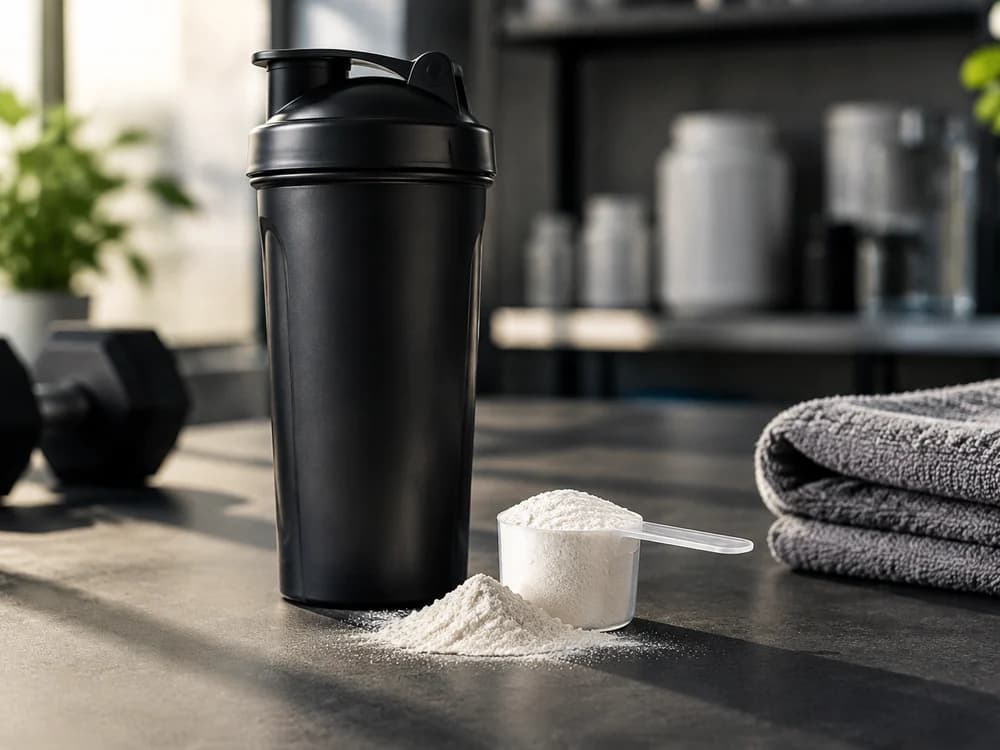
Sampling starts with a formulation brief and a target specification. Sample lead time is 7-10 working days for standard formulations, and up to 15 working days for new flavour systems or custom blends. Samples are provided with a preliminary COA and a packaging mock-up. The sample fee is credited against the first mass production order. Mass production lead time is 20-35 working days after sample approval and receipt of deposit, depending on format and packaging complexity. Bottling lines run at 60-120 bottles per minute, and stick pack lines at 40-80 packs per minute.
Shipping options include air freight (5-10 days door-to-door), sea freight (25-40 days port-to-port) and express courier for samples. Incoterms offered are EXW, FOB Shenzhen or Hong Kong, and DDP for select destinations. DDP is available for the US, UK, EU and Australia, with duties and taxes included in the quoted price. Shipping documents provided include commercial invoice, packing list, bill of lading or airway bill, certificate of origin, COA, MSDS, free-sale certificate and, where relevant, phytosanitary certificate and halal certificates.
Payment terms are 30% deposit with balance against copy of bill of lading, or irrevocable L/C at sight for orders above USD 50,000. Production capacity is approximately 2 million units per month across powder, capsule and stick formats. For urgent launches, a fast-track option can reduce mass production to 15-20 working days subject to line availability and packaging stock. All orders are subject to a quality agreement that defines acceptance criteria, testing responsibilities and dispute resolution.
Ribbon and V-blenders handle 500-2,000kg batches. Fill weights from 200g to 2kg. Suitable for protein, pre-workout, creatine and electrolyte formulas.
Two-piece gelatin or HPMC capsules. 60-180 count bottles. Fill weights from 400mg to 900mg per capsule. Options for coated and sustained-release.
60-120 count bottles. Oil-based formulas including omega-3, vitamin D3 and CoQ10. Enteric coating available for targeted release.
Single-serve sachets from 5g to 30g. Ideal for pre-workout and electrolyte samples. MOQ 5,000 units per SKU.
Share target fill weight, servings per container, ingredient list and certifications needed. Include target markets for regulatory checks.
Provide annual volume estimate and packaging format. EUPHM returns pricing within 2-3 working days with MOQ and lead time.
Sample lead time is 7-10 working days. Test taste, mixability and appearance. Request adjustments before locking the formula.
Choose bottle, cap, label and sealing. Provide artwork files. Packaging lead time adds 5-10 working days to production.
Mass production runs 20-35 working days after sample approval. Deposit terms are 30% upfront, 70% before shipment.
Certificate of analysis, health certificate and certificates of origin issued 3-5 working days after batch release. Shipping arranged per Incoterms.
MOQs, fill weights, lead times and line capacity published per format. No guesswork before requesting a quote.
Certification scope and export documentation listed by market. Understand halal, organic and FDA registration requirements.
Ingredient ratios, taste masking and stability notes for common sports nutrition categories. Reduce trial-and-error in sample rounds.
MOQ is 1,000 units per SKU for retail bottling. Lower thresholds apply to pilot runs of 500–1,000 units when the formula uses existing stock ingredients and standard packaging. Stick packs have a separate MOQ of 5,000 units.
Sample lead time is 7-10 working days after formula and flavour approval. This covers bench samples for taste, mixability and appearance. Stability testing adds 3 months for accelerated data or 6-12 months for real-time data.
EUPHM holds GMP, ISO 22000 and HACCP. halal and vegan certifications are available where the formula and supply chain meet the standard. The facility is FDA-registered for US-bound exports.
Yes. We micronise creatine monohydrate to 200 mesh or finer and use suspending agents at 0.5-2% of fill weight. This reduces sedimentation in ready-to-mix powders. Stability testing at 40°C/75% RH confirms performance over shelf life.
Payment terms are 30% deposit with order, 70% before shipment. Shipping supports FOB, CIF and DDP. Documentation including certificate of analysis, health certificate and certificates of origin is issued 3-5 working days after batch release.
Yes, a batch-specific COA is issued for every production run. It lists identity, potency, microbial, heavy metals and disintegration results against agreed specifications, with the analyst signature and batch number. COAs are sent as PDF within 5 working days of production completion. Retention samples are kept for 24 months for any retest or verification.
Yes, pilot runs are available below the standard 1,000-unit MOQ for retail bottling. A pilot run typically covers 500–1,000 units per SKU using existing packaging components. Tooling and setup fees apply, and the pilot quantity is credited toward the first full-scale order. Pilot runs use the same production lines and quality tests as mass production.
We offer EXW, FOB Shenzhen or Hong Kong, and DDP for the US, UK, EU and Australia. Documents include commercial invoice, packing list, bill of lading or airway bill, certificate of origin, COA, MSDS and free-sale certificate. Phytosanitary and halal certificates are provided where applicable. Air freight takes 5-10 days, sea freight 25-40 days.

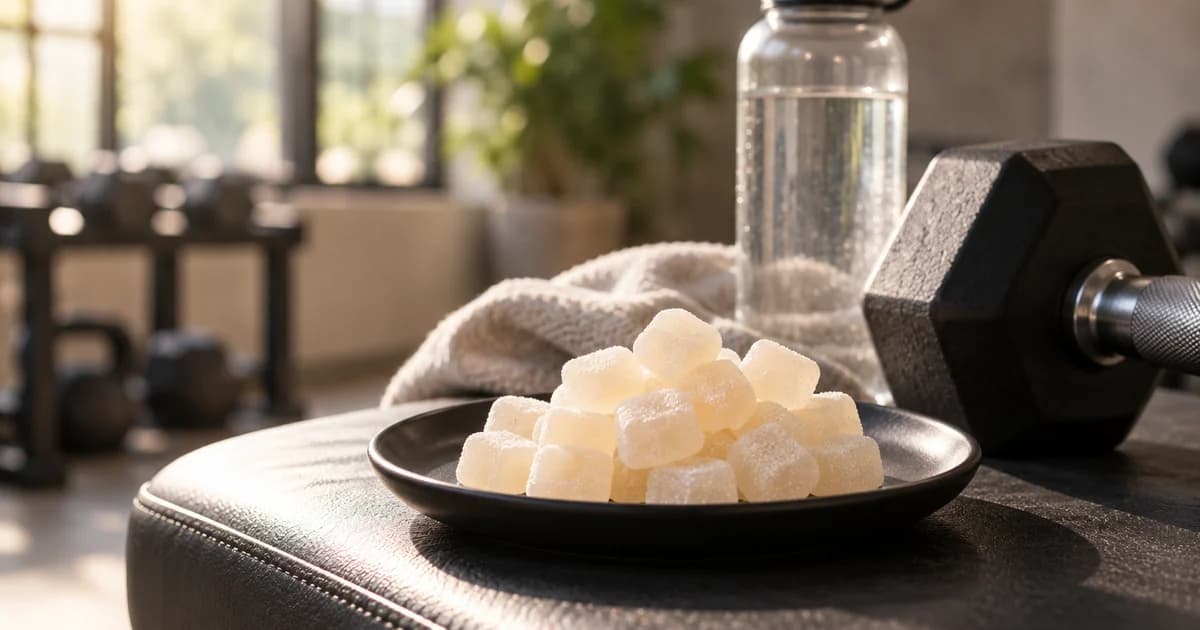
Creatine gummies are a fast-growing format in sports nutrition. This guide covers formulation, stability, dosing, MOQs, lead times and certifications so you can brief a contract…

Choosing between whey and plant protein affects formulation, cost, and compliance. This guide compares both for brands sourcing a contract manufacturing partner in the US, EU, UK…

A practical guide to developing pre-workout powders that meet label claims, taste right and scale from pilot batches to retail. Covers actives, flavours, MOQ and lead times.
Send us the brief and we will come back with a formulation direction, indicative price and a realistic lead time — usually within one working day.