Hong Kong origin and export documentation.
Bulk manufacturing stays in Guangzhou. For brands that need a Hong Kong origin, cross-border e-commerce clearance or a Hong Kong label, we handle the finishing, packing and certificate work in Hong Kong.
- ~20 days
- Cross-border door to bonded warehouse
- 3
- Certificate types
- 6
- Dosage forms supported
- 1
- Quality system
What the Hong Kong option covers.
The Hong Kong option exists because some buyers need a Hong Kong origin on the label: cross-border e-commerce platforms, distributors who market a Hong Kong brand, and markets where the origin on the label changes the conversation. The answer is not to pretend the factory moved. It is to do real work in Hong Kong, document it, and let the certificate reflect that work.
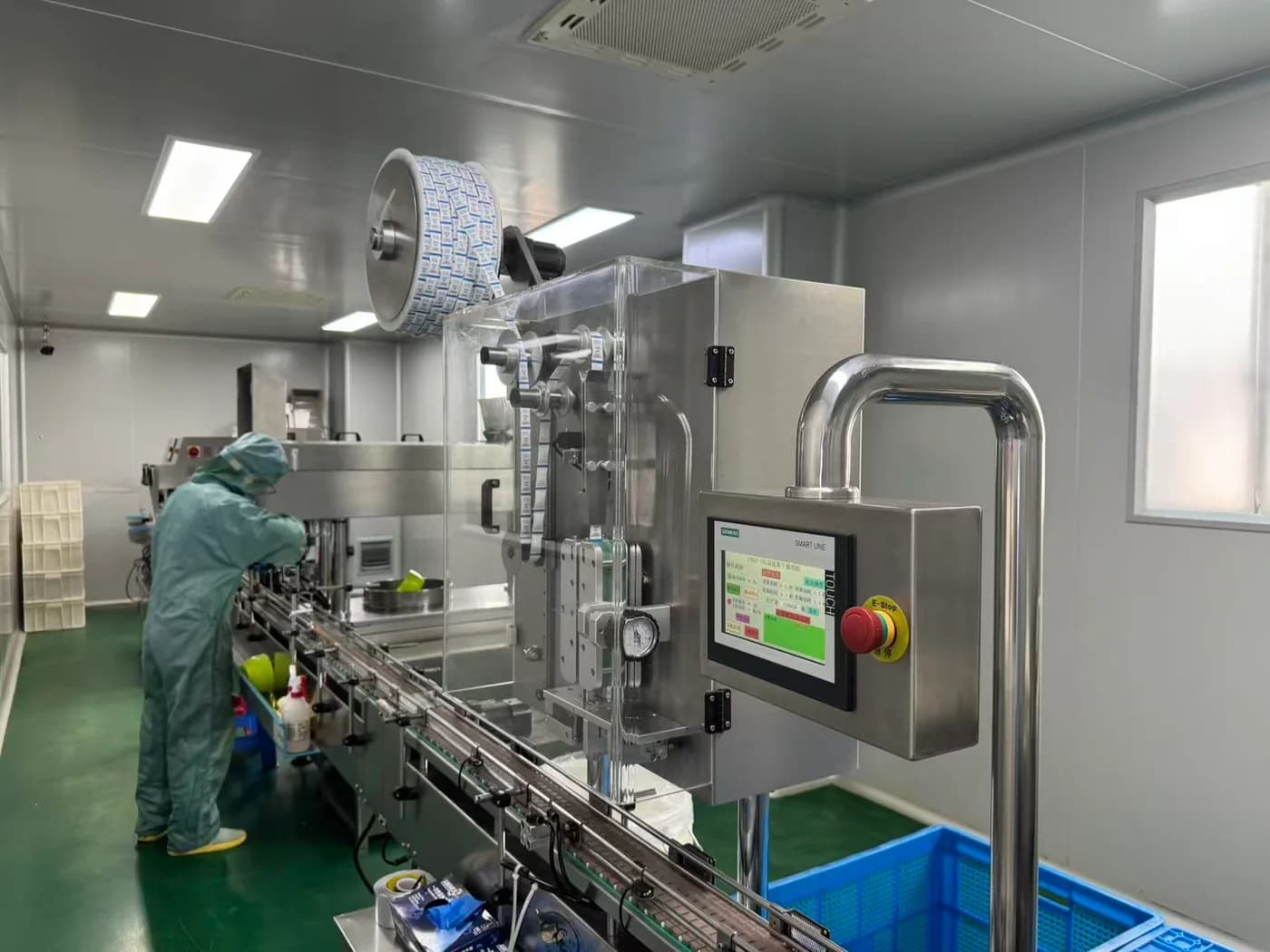
Materials, semi-finished goods and packaging move to our Hong Kong finishing facility, where the agreed processing or packing step is carried out, then we apply for the certificate that matches the work performed — a Hong Kong Certificate of Origin (CO) where the transformation qualifies, or a Certificate of Origin Processing (COAP) where it does not. A Free Sale Certificate and a Food Inspection Certificate can be issued alongside.
Quality does not change with the address. The formula, specifications, batch-record standard and CoA requirements are the same as the Hong Kong programme; the Hong Kong step is added to the batch record rather than substituted for it.
From production line to Hong Kong certificate.
The sequence below is the standard route. Timings assume documents are complete; a missing label file or ingredient declaration resets the clock.
- 01
Confirm the origin route
We review the product, the target market and the label claim, then confirm whether CO or COAP applies before anything ships.
- 02
Ship materials and semi-finished goods
Bulk product, components and packaging move to our Hong Kong finishing facility with the matching documents.
- 03
Process or pack in Hong Kong
The agreed finishing step — filling, secondary packing, labelling or assembly — is carried out and recorded.
- 04
Inspection and sampling
Customs or the Food and Environmental Hygiene Department may inspect the goods and match them to the submitted product file.
- 05
Issue the certificates
CO or COAP through the Hong Kong General Chamber of Industry, plus Free Sale Certificate and Food Inspection Certificate where required.
- 06
Release to the channel
Goods move to your forwarder, bonded warehouse or cross-border fulfilment partner with the certificate pack attached.
Hong Kong?
Most programmes should stay in Guangzhou. Hong Kong is a deliberate add-on for a specific market reason, not a default.
- Origin on the label
- Made in China. Hong Kong route can support a Hong Kong origin or processing certificate, depending on the work done.
- Best for
- EU, US, Gulf and most export markets; cost-sensitive programmes; fastest route to production.
- Bulk manufacturing
- All twelve dosage forms at the Guangzhou GMP site.
- Finishing
- At the Huadu GMP site, or in Hong Kong if the origin programme is selected.
- Certificates
- COA, batch record, MSDS, stability data; Hong Kong adds CO/COAP, Free Sale and Food Inspection certificates.
- Lead time
- 4–6 weeks production after approval. Hong Kong processing and certification add time; cross-border delivery is typically around 20 days once goods are ready.
- MOQ
- 1,000 units per SKU (5,000 for selected formats); the same threshold applies to the Hong Kong route.
Origin rules are decided by the work performed, not by where the goods are stored. We confirm the applicable certificate before quoting.
When a Hong Kong origin makes sense.
Cross-border e-commerce
Platforms and bonded warehouses that require a Hong Kong entity, a Hong Kong origin file or a specific certificate pack before the SKU can be listed.
Hong Kong brand positioning
Brands that sell a Hong Kong story and need the label, the certificate and the supply chain to agree with each other.
Distributor requirements
Pharmacies, chains or importers whose registration file accepts a Hong Kong Free Sale Certificate more readily than certificates from other origins.
Trade and tariff planning
Markets where the origin affects duty, quota or documentary requirements. We will show the arithmetic; we will not promise an outcome we cannot control.
What we will not do.
We will not print a Hong Kong origin on a product that was not processed in Hong Kong, and we will not describe a processing certificate as a full certificate of origin. If the work does not qualify, we say so before you pay for artwork.
- Same formula, same specification, same batch-record standard.
- Same release testing and CoA, whichever site finishes the batch.
- Certificate scope stated in writing before the order is placed.
- No claim of Hong Kong GMP manufacturing unless the site holds it.
Hong Kong origin, answered plainly.
Is the product 'Made in Hong Kong'?
Only if the processing in Hong Kong meets the origin rules. Where it does, we apply for a Hong Kong Certificate of Origin; where it does not, the correct document is a Certificate of Origin Processing, and we label accordingly.
Which certificates can you obtain?
Hong Kong Certificate of Origin or Certificate of Origin Processing, Free Sale Certificate and Food Inspection Certificate. Each is applied for per product and per shipment; processing time depends on document completeness and inspection scheduling.
Do I have to move my whole order to Hong Kong?
No. Bulk manufacture stays at the Huadu GMP site; only the finishing step and the volume you nominate go to Hong Kong. Many brands run both routes in parallel for different channels.
Does the Hong Kong route change MOQ or lead time?
MOQ stays at 1,000 units per SKU for most formats. Lead time adds the Hong Kong processing and certificate steps; cross-border delivery is typically around 20 days once goods are ready.
Can you quote the Hong Kong route before I have artwork?
Yes. We quote the manufacturing and the certificate route separately, so you can see what the origin option actually adds before committing to design.