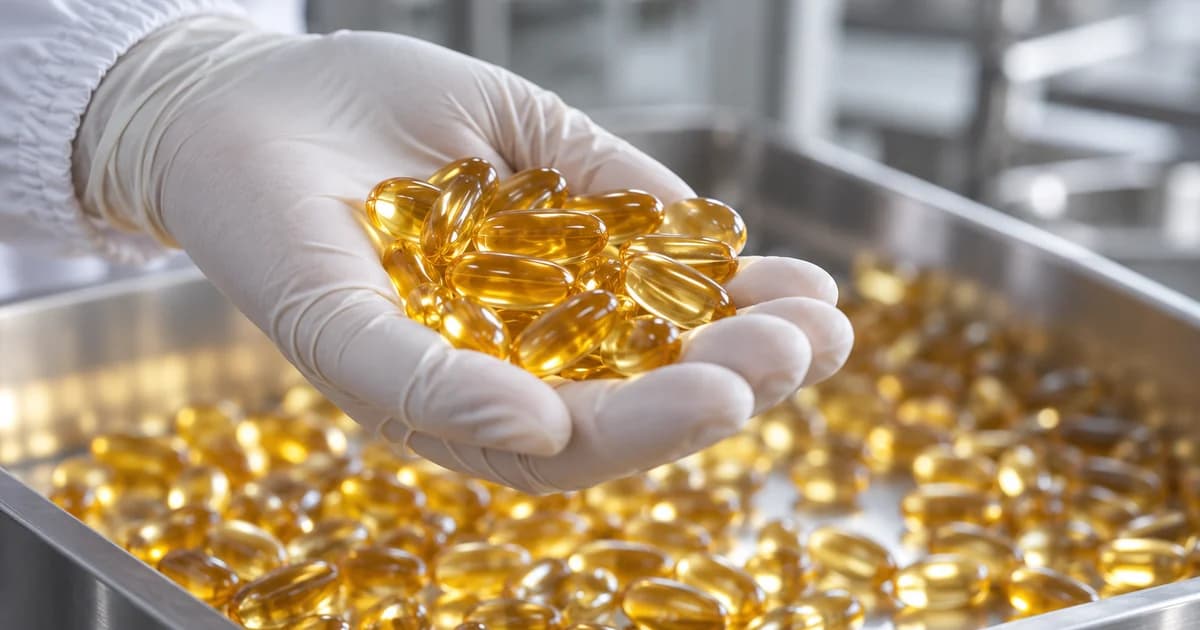
Softgels Resource Hub: Formulation, Fill Weights and Lead Times

Softgels Resource Hub: Formulation, Fill Weights and Lead Times

A working library for brand owners sourcing softgel supplements. Find realistic MOQs, fill-weight ranges, lead times and certification details from a GMP-certified plant in Guangdong.

Overview

This hub collects practical references for softgel production: what a line can and cannot do, how fill weights shape tooling and cost, and which documents buyers need before a purchase order. Each guide is written for procurement managers and founders who need numbers, not brochure language. Use it alongside the parent /resources library to compare formats and plan a pilot run.

Key specifications
MOQ (retail bottling)
1,000 units per SKU
MOQ (pilot run)
From 1,000 units, subject to tooling
Sample lead time
7–10 working days
Mass production
20–35 working days after approval
Typical fill weights
250 mg to 1,500 mg per softgel
Certifications
GMP, ISO 9001, ISO 22000, HACCP, NSF/ANSI 455-2, halal, FDA-registered
Softgels Resource Hub: Formulation, Fill Weights and Lead Times

Softgel Line Capability and Capacity

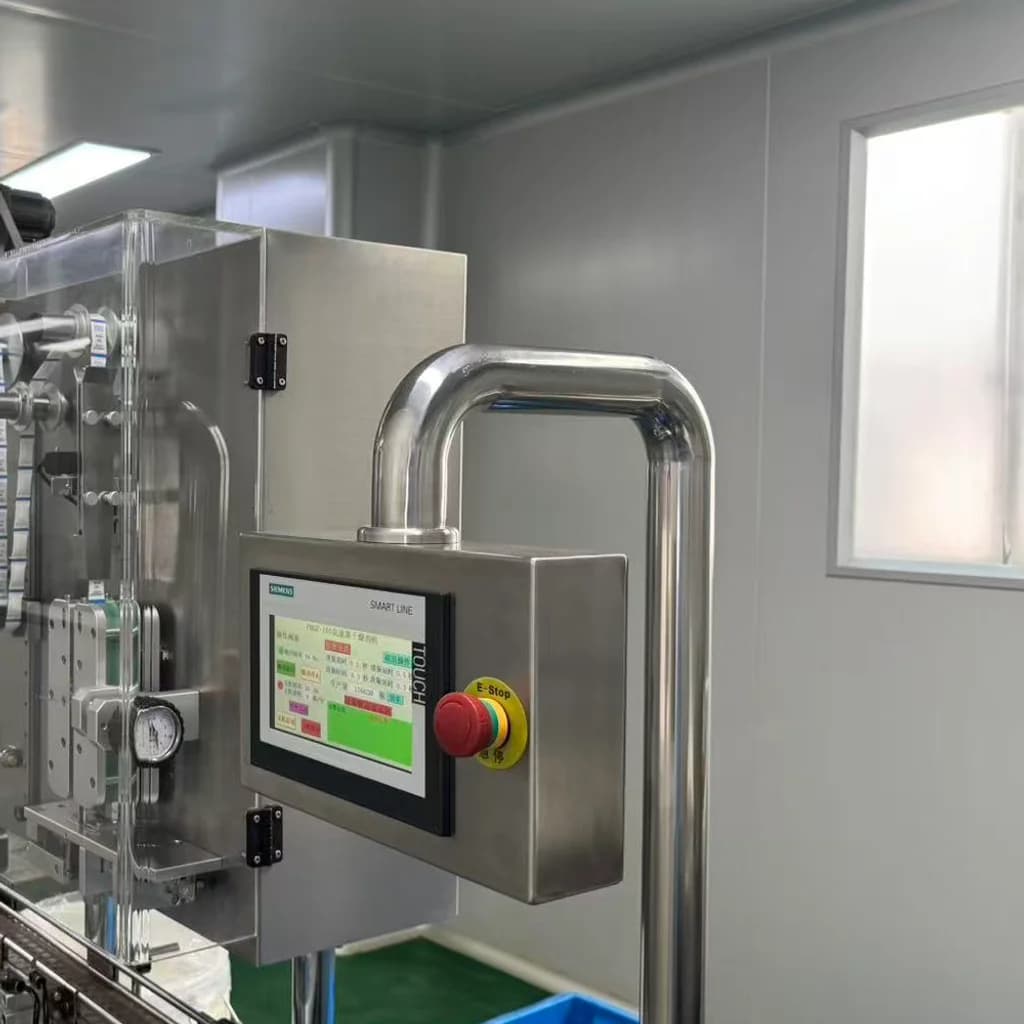
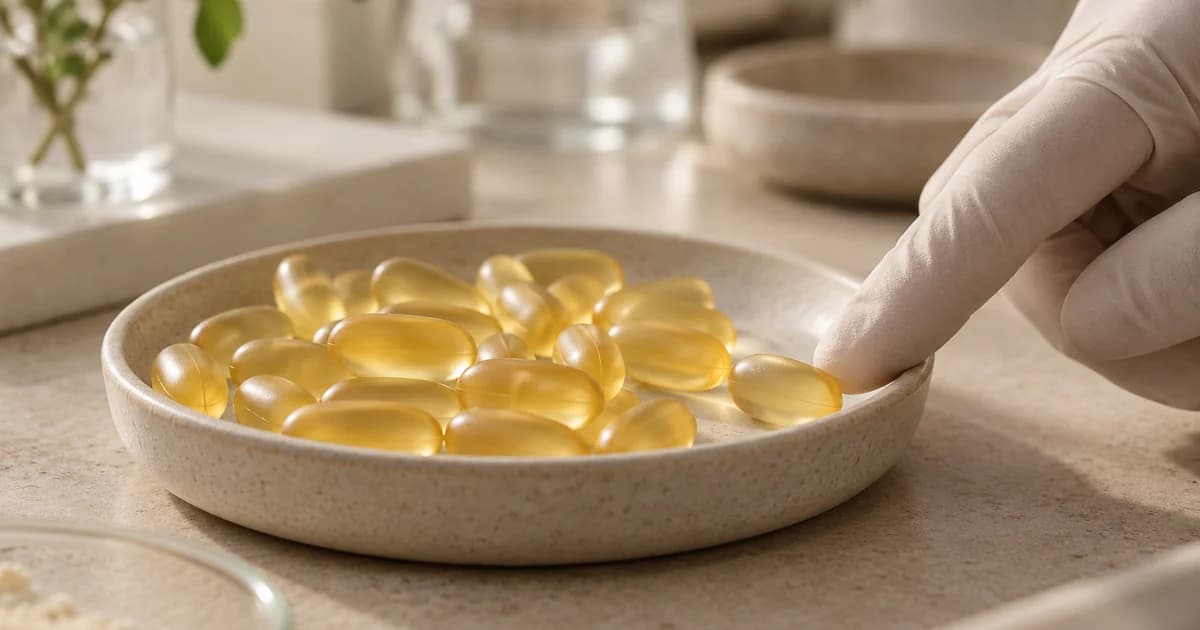
A rotary die softgel line handles oblong, oval and round shapes. Fill weights run from 250 mg to 1,500 mg, with a tolerance of ±5% on most formulas. Shell thickness is typically 0.7–0.9 mm. Output depends on die size and fill: a mid-size line runs 40,000–80,000 softgels per shift. That matters when you plan a 5,000-unit retail run against a 50,000-unit launch.

Tooling is the fixed cost. A new die set takes 10–15 working days to cut and test. If your formula fits an existing die, you skip that step and move to samples faster. EUPHM holds common oval and oblong dies for fish oil, vitamin D and CoQ10, which shortens pilot timelines. For custom shapes, budget extra time and a tooling fee that amortises over repeat orders.

Formulation: Oils, Actives and Fill Weight

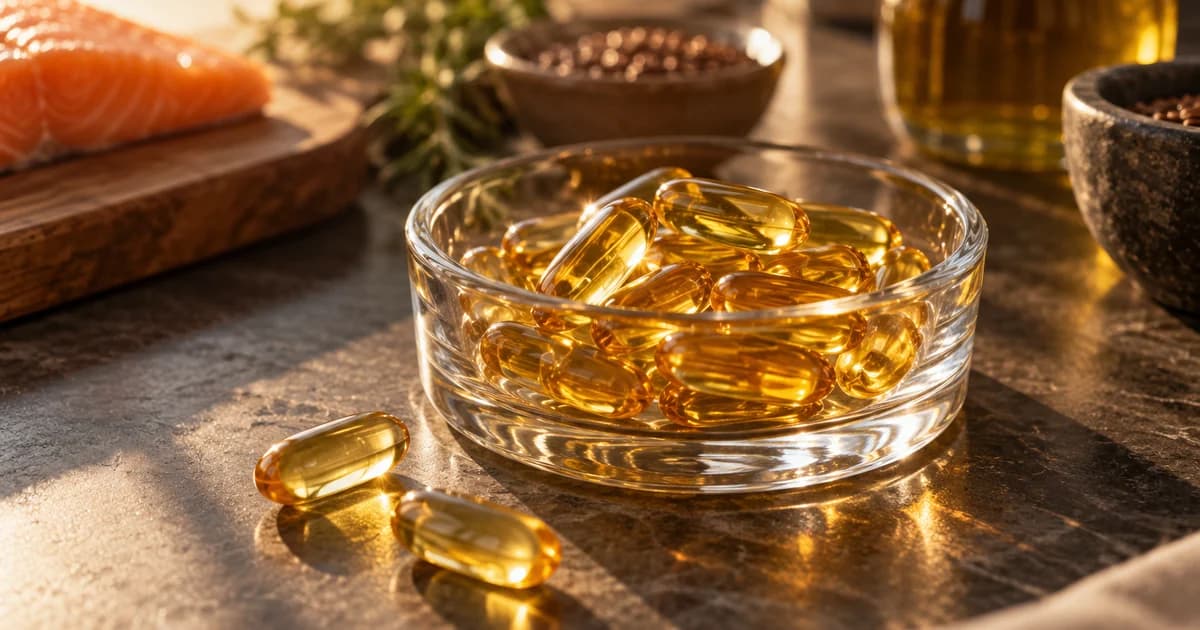
Softgels suit oil-soluble actives: fish oil, krill oil, vitamin E, vitamin D3, CoQ10, lutein and CBD. Suspension formulas can carry powders such as curcumin or astaxanthin, but the particle size must stay below 80 microns to avoid die clogging. Carrier oils are typically MCT, soybean or sunflower. Antioxidants like mixed tocopherols extend shelf life to 24 months in a sealed bottle.

Fill weight drives cost more than any other variable. A 1,000 mg fish oil softgel needs a larger shell and more drying time than a 500 mg vitamin D3. If your label claims 1,200 mg EPA+DHA, the fill weight must support it after overage. Typical overage is 5–10% to cover degradation over shelf life. Bring your target label claim and we calculate the fill weight and shell size before sampling.

Quality, Compliance and Shipping Documents

Every batch is tested for identity, potency, microbials and heavy metals. Certificates of analysis are issued per lot. The facility is GMP-certified, ISO 22000 and HACCP, and is FDA-registered. halal and vegan certifications are available when the formula and shell meet the standard. Vegan softgels use starch or carrageenan instead of gelatin, which changes drying time and cost.

For US, EU, UK and Middle East buyers, we prepare a document pack: COA, MSDS, allergen statement, country of origin and halal certificates where relevant. Shipping from Guangdong typically runs 18–25 days to the US west coast, 25–35 days to Europe, and 10–15 days to the Middle East by sea. Air freight cuts transit to 5–8 days at higher cost. Labels must meet destination rules; we review artwork before printing.

Softgel Quality Control and Batch Documentation

Every softgel batch is tested at three points: incoming raw materials, the bulk fill before encapsulation, and the finished capsule. Identity and potency are confirmed by HPLC or GC depending on the active. Microbial limits follow USP <2021> or <2022> with total aerobic count under 1,000 cfu/g and absence of E. coli and Salmonella. Heavy metals are screened by ICP-MS against EU or NSF thresholds. Disintegration is run in purified water at 37°C, with a typical target of under 30 minutes for gelatin shells.

A certificate of analysis is issued per batch and lists the product name, batch number, manufacture and expiry dates, tests performed, specification limits, results and the analyst's signature. Retain samples of both bulk fill and finished capsules are held for the shelf life plus six months, stored under the same conditions as commercial stock. Stability follows a bracketed protocol: 0, 3, 6, 12, 18 and 24 months at 25°C/60% RH, with accelerated arms at 40°C/75% RH for six months where the market requires it.

Documentation is compiled before release, not after. The batch record, line clearance sheet, in-process checks (shell weight, seam thickness, fill weight variation within ±5%) and environmental monitoring results are reviewed by QA. Any out-of-specification result triggers an investigation before the batch can be shipped. Buyers receive the COA, the batch record summary and a deviation log if applicable. This package is what a notified body or a retail quality team will ask for during a supplier audit.
Softgel Packaging, Labelling and Retail Readiness

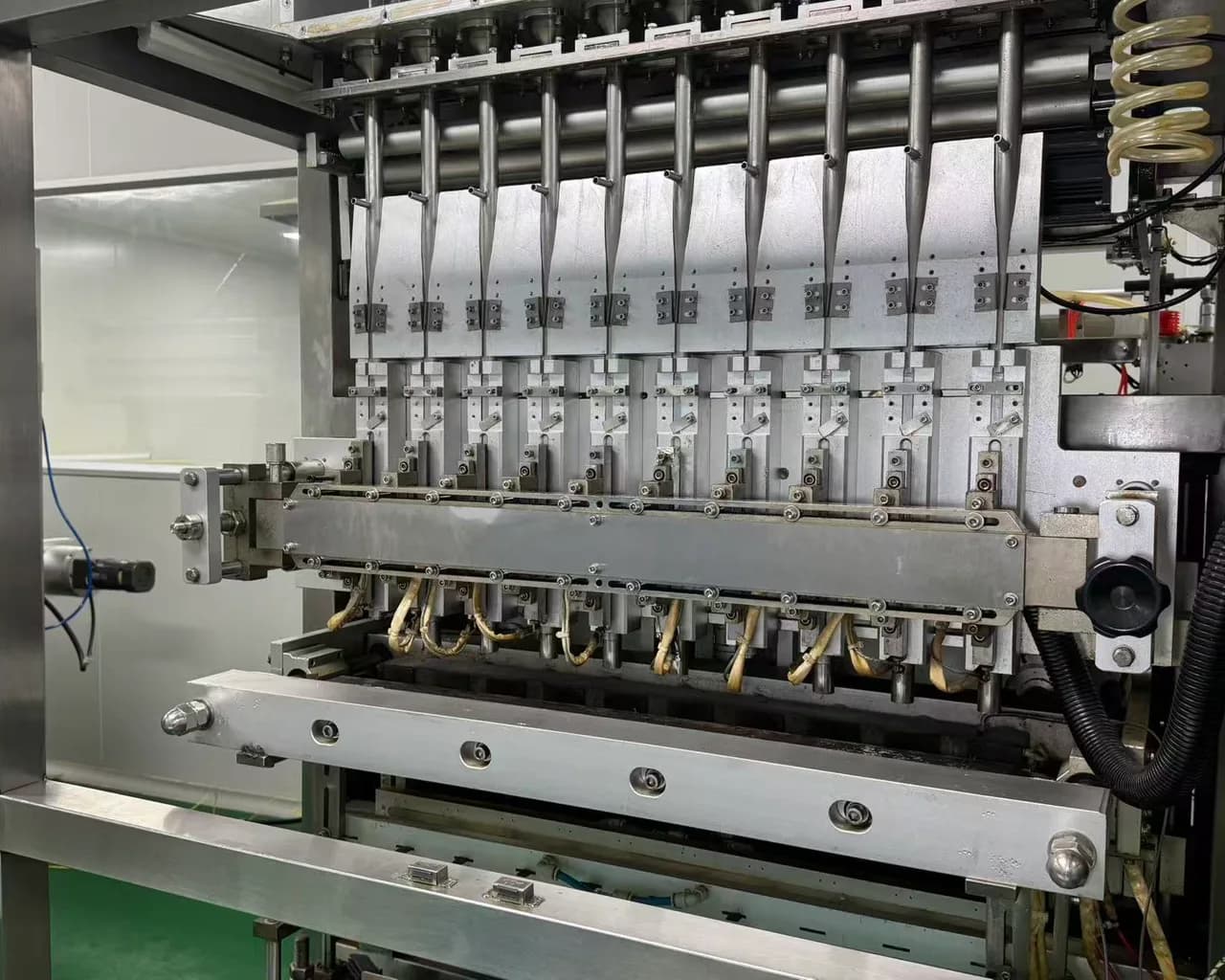
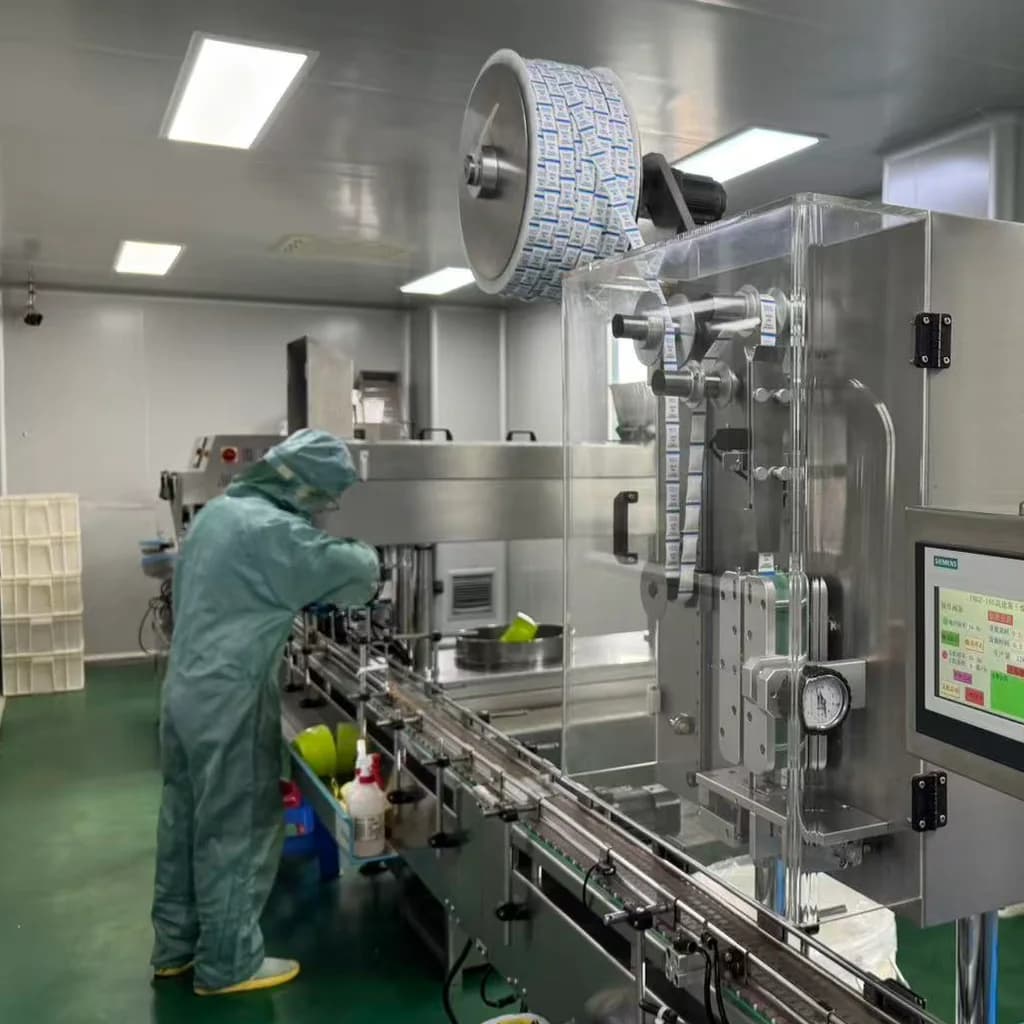
Softgels are typically packed in HDPE bottles with induction seals, in blisters with aluminium foil, or in single-serve sachets and stick packs. Bottle sizes range from 30 to 180 counts, with 60 and 90 being the most common for retail. Blisters suit pharmacy channels and sample packs. Stick packs are used for liquid-filled softgels where a single dose is preferred. Cartons are specified with a stated board grade, usually 300 to 350 gsm, and pallet configurations follow a 1,200 x 1,000 mm or 1,200 x 800 mm footprint depending on the destination market.

Labels must carry the FDA dietary-supplement elements: statement of identity, net quantity, supplement facts panel with serving size and per-serving amounts, other ingredients, and the manufacturer or distributor address. Lot code and expiry are printed or laser-coded on the bottle and the carton, with a recommended format of YYMMDD for lot and MM/YYYY for expiry. For Amazon, the FNSKU label must be applied over the original barcode or the carton must be poly-bagged with a suffocation warning where required.

Retail readiness also covers artwork checks against the destination market. EU labels need the nutrition declaration in the local language and allergen statements where applicable. Halal marks must be licensed for the specific SKU, not just the facility. We run a pre-press proof at 1:1 scale and a physical mock-up before mass printing. Buyers should allow 5 to 7 working days for artwork approval, as label changes after printing are charged at full plate cost.

Softgel MOQ, Lead Times and Delivery Terms

Sampling starts with a formulation brief and a target fill weight. We provide a quotation within 3 working days, then produce samples in 7 to 10 working days. Sample quantities are typically 100 to 300 capsules, enough for stability initiation and sensory review. If tooling is required for a new shape, add 10 to 15 working days for die fabrication. Sample costs are credited against the first mass-production order above the pilot MOQ.

Mass production runs 20 to 35 working days after sample approval and receipt of the deposit. The window depends on shell type, fill complexity and packaging. Air freight from Guangdong to Europe or North America takes 5 to 8 days door to door; sea freight takes 28 to 35 days to the US west coast and 30 to 38 days to northern Europe. We quote EXW, FOB Shenzhen or Hong Kong, and DDP for buyers who want a landed cost. DDP includes duty and clearance but excludes VAT in most destinations.

Shipping documents are issued with the commercial invoice and packing list: COA per batch, MSDS for the finished product, a free-sale certificate, and a certificate of origin. Phytosanitary certificates apply only where the product contains botanical ingredients that the destination requires. For halal claims, the certificate must be issued by the recognised authority for that market. Buyers should confirm the document set before booking freight, as some markets require legalisation or consular approval, which adds 5 to 10 working days.

Configurations to Compare

Gelatin shell

Standard bovine or porcine gelatin. Lowest cost, widely accepted. Not suitable for vegetarian or halal claims unless a certified halal gelatin source is used.

Vegan softgel

Starch or carrageenan shell. Suitable for vegan, vegetarian and many halal claims. Higher cost and longer drying time than gelatin.

Enteric coated

Delayed release for ingredients that irritate the stomach or need to bypass gastric acid. Adds one coating step and 3–5 working days to production.

Chewable softgel

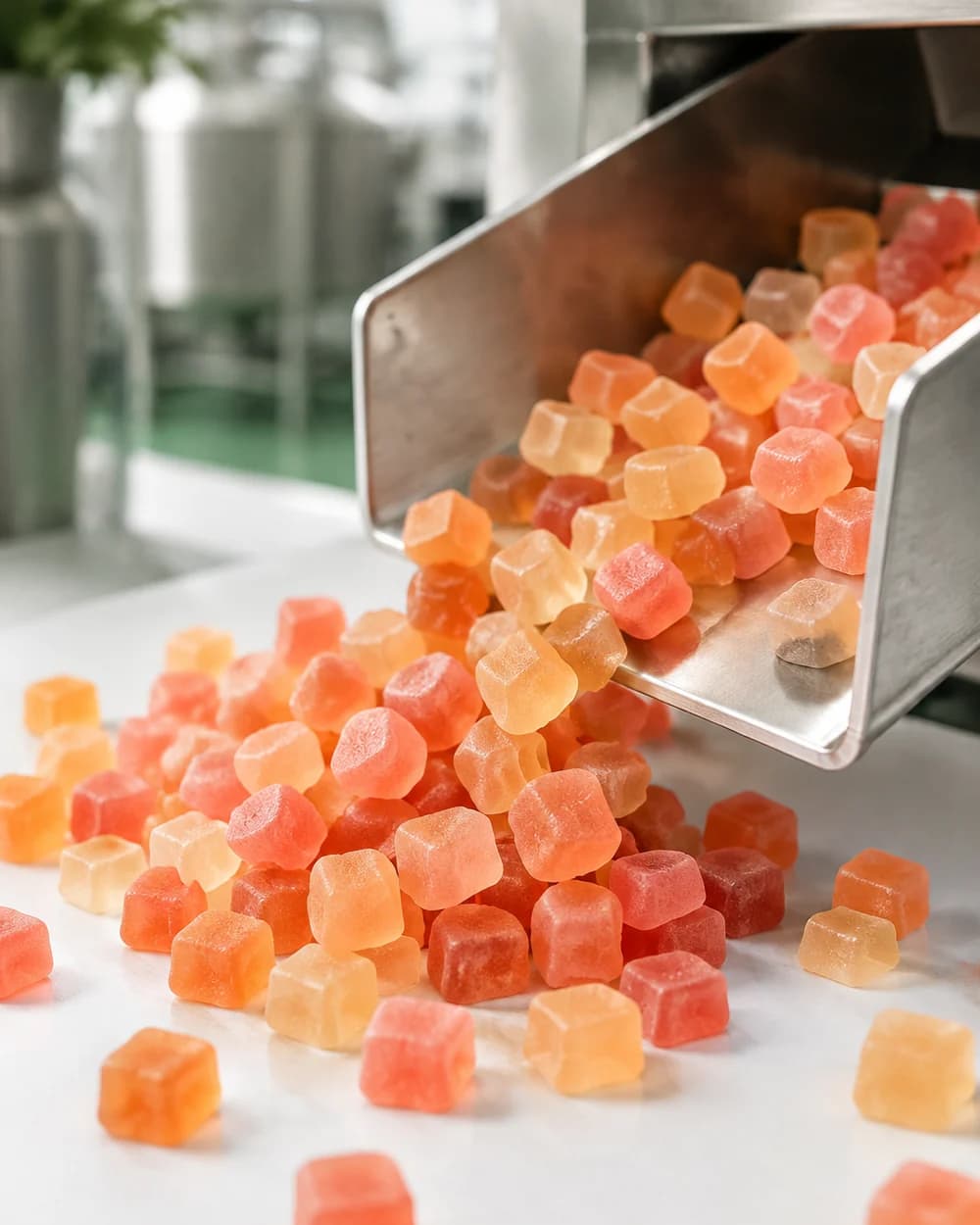
Softer shell with a flavour option. Popular for children's and omega-3 products. Fill weight usually capped at 800 mg for texture.

How We Work

  1. 01

    Share formula brief

    Send target actives, fill weight, shell preference and label claims. We confirm feasibility and flag any ingredient that needs a pre-mix or overage.

  2. 02

    Quotation and MOQ

    You receive unit cost at 1,000, 5,000 and 10,000 units, plus tooling fees if a new die is needed. Turnaround on quotes is 2–3 working days.

  3. 03

    Sample production

    We produce 100–200 sample softgels on the line. Lead time is 7–10 working days. Samples ship with a preliminary COA for your review.

  4. 04

    Sample approval

    You test appearance, fill weight, disintegration and taste. We adjust the formula or shell if needed. One revision round is included.

  5. 05

    Mass production

    After written approval and deposit, production runs 20–35 working days. In-process checks cover fill weight, shell thickness and seal integrity.

  6. 06

    QC and shipping

    Final batch testing, COA, label review and packing. We book sea or air freight and send documents for customs clearance.

Why EUPHM

Numbers first

Every guide states MOQ, fill weight, lead time and tolerance. No vague claims. You can build a costing sheet from the specs above.

Compliance ready

Certification status and document lists are given per topic. Use them to brief your regulatory team before a sample request.

Pilot friendly

Lower MOQs for pilot runs let you test a softgel SKU before committing to 5,000 units. Tooling and sample costs are quoted upfront.

Questions buyers ask.

What is the MOQ for softgels in retail bottles?+

1,000 units per SKU for standard retail bottling. Pilot runs start from 1,000 units, but tooling fees may apply if a new die is required. The MOQ drops per unit at 10,000 units and above.

How long do softgel samples take?+

7–10 working days after formula and shell approval. If an existing die is used, sampling starts sooner. Custom die cutting adds 10–15 working days before the first sample.

Can you make vegan softgels?+

Yes. Vegan shells use starch or carrageenan instead of gelatin. They cost more and take longer to dry, typically adding 3–5 working days to production. Vegan certification is available when the full formula meets the standard.

What fill weights can you run?+

250 mg to 1,500 mg per softgel. The upper end suits fish oil and large-dose oils. Above 1,200 mg, shell size and drying time increase, which affects unit cost and minimum order quantity.

Which certifications apply to softgels?+

The facility holds GMP, ISO 22000 and HACCP. halal and vegan certificates are issued per product when the formula and shell qualify. The plant is FDA-registered for dietary supplements.

What is the shelf life of your softgels and how is it supported?+

Shelf life is typically 24 months for oil-filled softgels and 18 to 24 months for those with sensitive actives. It is supported by real-time stability data at 25°C/60% RH, with accelerated data at 40°C/75% RH for markets that accept it. We provide the stability summary with the COA so the buyer can set the expiry date on the label.

Can you match a competitor's softgel colour and shape?+

We can match shape and colour within tooling tolerances. Existing dies cover common oval, oblong and round shapes. A new custom shape requires a die, which adds 10 to 15 working days and a one-off tooling fee. Colour matching uses opacity and pigment samples; we provide a physical mock-up for approval before production. Exact replication of a patented shape is not offered.

Do you provide DDP shipping and who handles customs?+

Yes, we quote DDP for most major markets. Under DDP we handle export clearance, freight, import duty and delivery to your address. The buyer remains responsible for product registration and for any VAT or local taxes not included in the quote. We recommend confirming the HS code and duty rate before the order, as supplement classifications vary by country.

Have a product in mind?

Send us the brief and we will come back with a formulation direction, indicative price and a realistic lead time — usually within one working day.