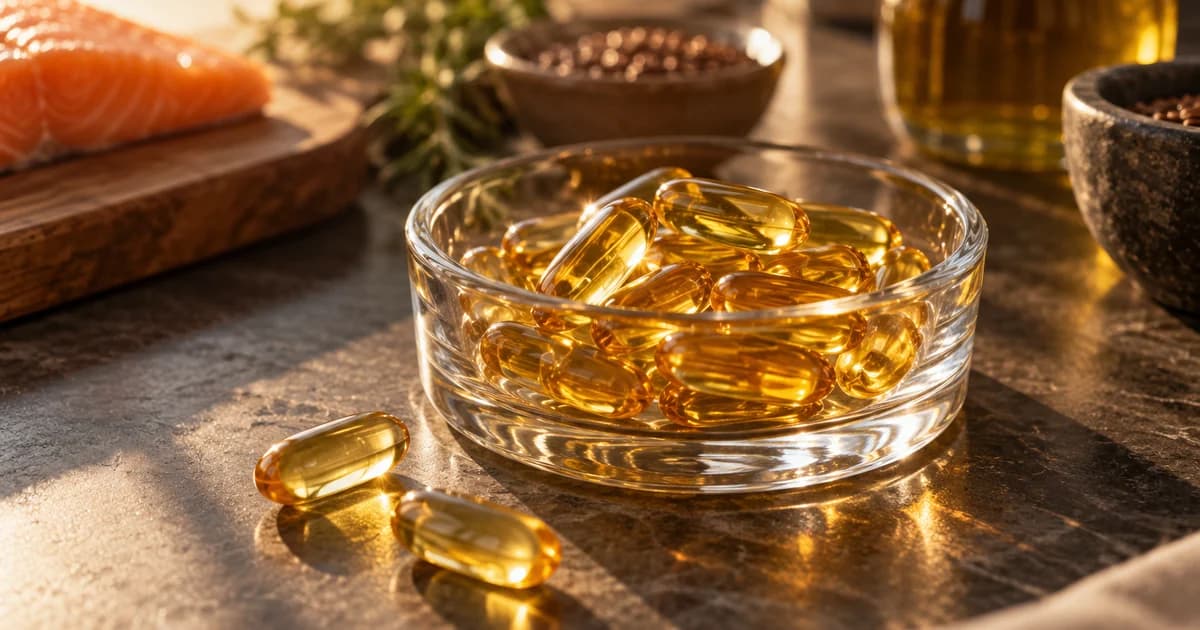
Omega-3 Softgels Buyer's Guide: Sourcing, Specs, and Compliance
This guide covers the commercial and technical details of sourcing omega-3 softgels: fill weights, EPA/DHA ratios, oxidation control, and lead times from a GMP-certified plant in Guangdong.
Overview
Omega-3 softgels remain one of the highest-volume categories in dietary supplements, but the gap between a good product and a costly recall often comes down to supplier selection. Buyers must balance EPA/DHA concentration, softgel shell integrity, and certified sourcing against MOQs and landed cost. This guide outlines the parameters that matter when evaluating a contract manufacturer, from pilot runs of 1,000 units to full-scale production at 20-35 working days.
Softgel Production Capability
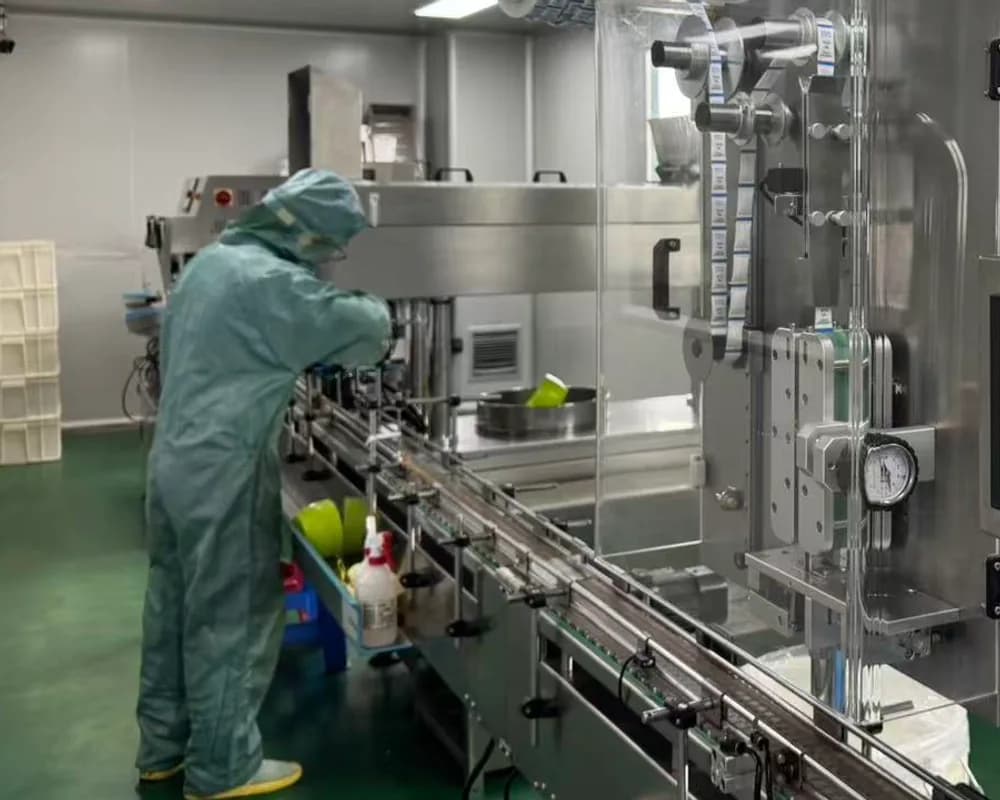
EUPHM operates rotary die encapsulation lines with a capacity of 1.2 million softgels per day. We handle fill weights from 500 mg to 1,200 mg, with typical oval and oblong shapes for omega-3. Shell formulations use gelatin or vegetarian HPMC, with optional enteric coating for delayed release. For pilot runs, we can produce as few as 1,000 units to validate stability and consumer acceptance before scaling.
The plant runs 24/5 across three shifts. Changeover between SKUs takes 4-6 hours, which affects scheduling for multi-SKU orders. We recommend booking production slots 6-8 weeks ahead for Q4 and Q1, when demand peaks. For orders above 500,000 units, we can dedicate a line to reduce cross-contamination risk and tighten lead times to 20 working days.
Formulation and Ingredient Sourcing
Omega-3 concentrates are sourced from Peruvian anchovy, Alaskan pollock, or algal oil for vegan options. Typical concentrations range from 18/12 (180 mg EPA / 120 mg DHA) to 70/10 and 90/10. We test every lot for peroxide value (PV), p-anisidine value (AV), and TOTOX to ensure oxidation stays below industry limits. Natural tocopherols or rosemary extract are added as antioxidants.
Softgel shells can include glycerin, purified water, and optional colours or opacifiers. For enteric softgels, we apply a cellulose acetate phthalate coating to resist stomach acid. Flavour masking is available with ethyl vanillin or natural citrus oils. All ingredients arrive with certificates of analysis, and we retain samples for 24 months. Formulations can be customised for regional labelling requirements, including EU novel food and Middle East halal certification.
Quality Control and Logistics
Every batch undergoes in-house testing for EPA/DHA content by GC-FID, microbial limits, heavy metals, and residual solvents. We operate under GMP, ISO 22000, and HACCP, with halal certification available on request. The facility is FDA-registered for dietary supplements. Third-party lab verification is standard for export orders to the US and EU.
Finished goods are packed in HDPE bottles or blister packs, with induction seals and child-resistant caps. We ship FOB Shenzhen or Yantian, with air freight options for urgent orders. Typical documentation includes commercial invoice, packing list, certificate of analysis, and health certificate. For EU orders, we provide a statement of compliance with EC 1924/2006 and 1169/2011. Lead times for mass production are 20-35 working days after artwork approval.
Quality Control and Batch Documentation
Stability follows an accelerated protocol at 40°C/75% RH for six months, with real-time data at 25°C/60% RH for the declared shelf life, typically 24 months for omega-3 softgels. Testing intervals are 0, 1, 2, 3, and 6 months for accelerated, and 0, 3, 6, 12, 18, and 24 months for real-time. Parameters include potency, oxidation markers, disintegration, and appearance. The stability protocol is written into the quality agreement before production, and any out-of-specification result triggers a documented investigation with a root-cause report shared with the buyer.
Packaging, Labelling and Retail Readiness
Cartons are packed to a standard count per shipper and palletised to a footprint agreed with the buyer, typically 1,200 x 1,000 mm or 1,200 x 800 mm, with maximum stack height of 1.8 m and stretch-wrap plus corner boards. For Amazon FBA, units can be labelled with FNSKU and poly-bagged where required, and cartons marked with box contents and expiry. Retail compliance checks include barcode verification (EAN/UPC), country-of-origin marking, and confirmation that the label artwork matches the approved proof before the print run.
MOQ, Lead Times and Delivery
Shipping documents provided include the commercial invoice, packing list, certificate of analysis per lot, material safety data sheet (MSDS), and a free-sale certificate where required by the destination country. For plant-derived ingredients, a phytosanitary certificate can be arranged if the importing country requests it. Certificates of origin can be issued for preferential tariff treatment. Buyers should confirm document requirements at order stage, as some markets require additional health certificates or import permits.
Configurations to Compare
Standard 18/12
180 mg EPA / 120 mg DHA per 1,000 mg softgel. Cost-effective for daily maintenance. MOQ 1,000 units. Ideal for private label entry.
Concentrated 33/22
330 mg EPA / 220 mg DHA per 1,000 mg softgel. Mid-tier potency. Requires molecular distillation. MOQ 5,000 units.
High-potency 70/10
700 mg EPA / 100 mg DHA per 1,000 mg softgel. For targeted cardiovascular support. Ethyl ester form. MOQ 5,000 units.
Vegan algal 40/20
400 mg EPA / 200 mg DHA per 1,000 mg softgel from algal oil. HPMC shell. Certified vegan and halal. MOQ 5,000 units.
Production in Six Steps
- 01
Define your specification
Set EPA/DHA ratio, fill weight, shell type, and certifications. Confirm target retail price and label claims.
- 02
Request samples
Ask for 3-5 sample bottles from a recent production batch. Review colour, odour, and shell integrity.
- 03
Validate documentation
Check COA, GMP certificate, and third-party test results for oxidation and heavy metals.
- 04
Place a pilot order
Start with 1,000–1,000 units to test stability and market response. Confirm packaging and labelling.
- 05
Approve artwork and PO
Finalise label copy, barcode, and shipping marks. Pay deposit to secure production slot.
- 06
Schedule mass production
Allow 20-35 working days after artwork approval. Plan for 7-10 days of QC and packing before shipment.
Why EUPHM
Low MOQs for testing
Pilot runs from 1,000 units let you validate the market before committing to full-scale production.
Full certification stack
GMP, ISO 9001, ISO 22000, HACCP, NSF/ANSI 455-2 and halal certification; FDA facility registration for US-bound shipments.
Transparent lead times
Samples in 7-10 working days. Mass production in 20-35 working days. No hidden delays.
Questions buyers ask.
What is the MOQ for omega-3 softgels?+
For retail bottling, MOQ is 1,000 units per SKU. Pilot runs start at 1,000 units. Lower MOQs apply to stock formulas, while custom formulations may require 5,000 units. We can advise on the best option based on your label and packaging.
How long does production take?+
Sample lead time is 7-10 working days. Mass production takes 20-35 working days after artwork approval. Add 7-10 days for QC, packing, and documentation. Peak season (Q4) may add 1-2 weeks, so book early.
What certifications do you hold?+
The facility is GMP-certified and holds ISO 22000 and HACCP. We also offer halal, organic, and certification for relevant ingredients. FDA registration is maintained for the plant. Certificates are provided with each shipment.
Can you produce vegan omega-3 softgels?+
Yes. We use algal oil and HPMC shells for vegan softgels. Typical concentration is 40/20 (400 mg EPA / 200 mg DHA) per 1,000 mg softgel. MOQ is 5,000 units. Certifications include vegan, halal.
How do you control oxidation?+
We test every lot for peroxide value, p-anisidine value, and TOTOX. Natural antioxidants such as tocopherols or rosemary extract are added. Softgels are packed under nitrogen to displace oxygen. Retained samples are kept for 24 months for stability monitoring.
What is the shelf life of your omega-3 softgels and how is it supported?+
Shelf life is typically 24 months from the date of manufacture when stored below 25°C and away from direct light. It is supported by real-time stability data at 25°C/60% RH, with accelerated data at 40°C/75% RH for six months. Potency, oxidation markers, and disintegration are tested at defined intervals. The expiry date printed on the label is based on the stability protocol agreed in the quality agreement, and retention samples are kept for the shelf life plus six months.
Can you customise the softgel shell and fill weight?+
Yes. Fill weights range from 500 mg to 1,200 mg, and shell formulations can be adjusted for thickness, colour, and opacity. Enteric-coated shells are available for targeted release, and non-animal shells such as vegan options can be discussed. Shell and fill changes may affect MOQ and lead time, so they are confirmed at sample stage. Custom shapes and embossing are possible subject to tooling lead time and minimum order quantities.
What payment terms and Incoterms do you offer for first orders?+
First orders are typically 30% deposit with the balance against copy of the bill of lading, or 100% before shipment for pilot runs. Incoterms offered are EXW, FOB Shenzhen or Hong Kong, and DDP for selected markets. Payment methods include T/T and, for established buyers, L/C at sight. Terms are confirmed in the proforma invoice, and DDP pricing requires accurate HS codes and importer details before quotation.
What is the typical TOTOX limit for your omega-3 softgels?+
The standard specification is peroxide value ≤ 5 meq/kg and p-anisidine value ≤ 20, giving a TOTOX value of ≤ 26. These limits are tested on each batch and reported on the COA. If your market requires a tighter limit, such as TOTOX ≤ 10, this can be agreed before production, though it may affect cost and lead time. Nitrogen flushing and opaque packaging are used to maintain low oxidation throughout shelf life.
Can you provide a free-sale certificate for omega-3 softgels?+
Yes, a free-sale certificate can be provided for each shipment. This document confirms that the product is manufactured in compliance with applicable regulations and is freely sold in the country of origin. It is often required for customs clearance in certain markets. The certificate is issued by the factory or a local authority, depending on the destination country's requirements. Please request it at the time of order so it can be prepared with the shipping documents.
How do you handle label artwork approval and what is the timeline?+
After you provide the label content, the factory prepares a dieline and artwork proof for your approval. The typical turnaround is 3 to 5 working days. You must confirm all text, including supplement facts, ingredient list, and claims, before printing. Changes after approval may incur costs and delay production. The factory can review artwork for technical accuracy but does not provide legal advice on claims; final responsibility rests with the brand owner.
Xu Wei writes the manufacturing, quality and regulatory guides on EUPHM. He works directly with the plant's production and QA teams to document how each dosage form is made, tested and released, so every claim on the site can be traced back to a batch record or a certificate on file.
More guides in this category.
See all →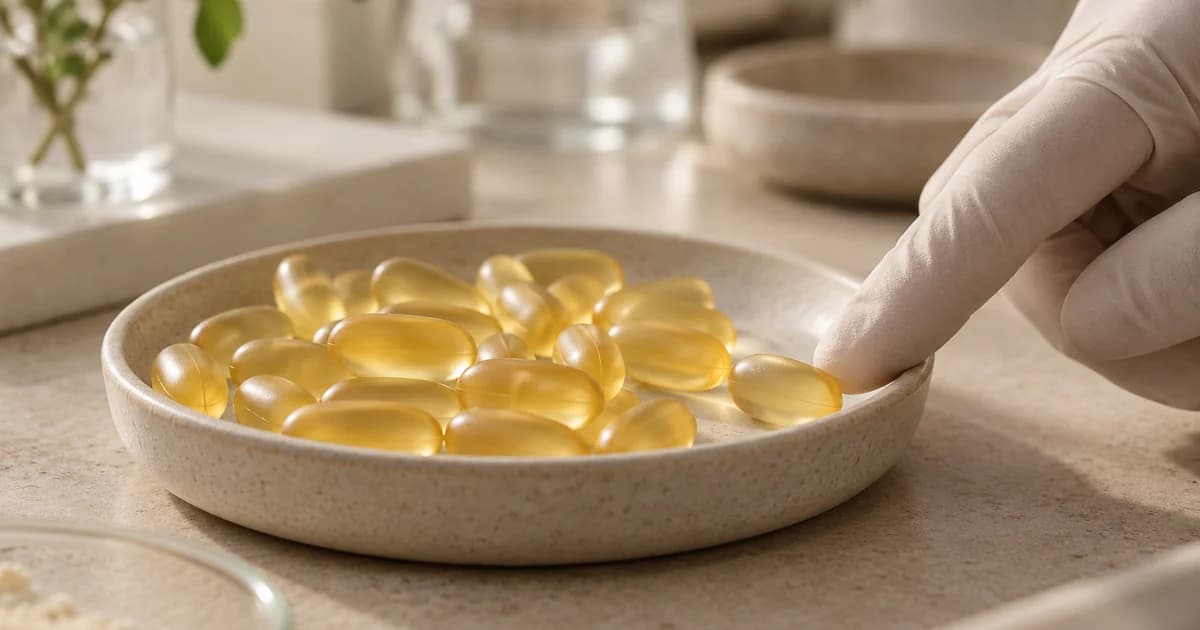
Enteric-Coated Softgels Explained for Brand Owners
Enteric-coated softgels delay release until the intestine, protecting acid-sensitive actives and reducing gastric irritation. This guide covers polymer options, fill weights, and manufacturing parameters for brands sourcing a contract partner.
Read the guide →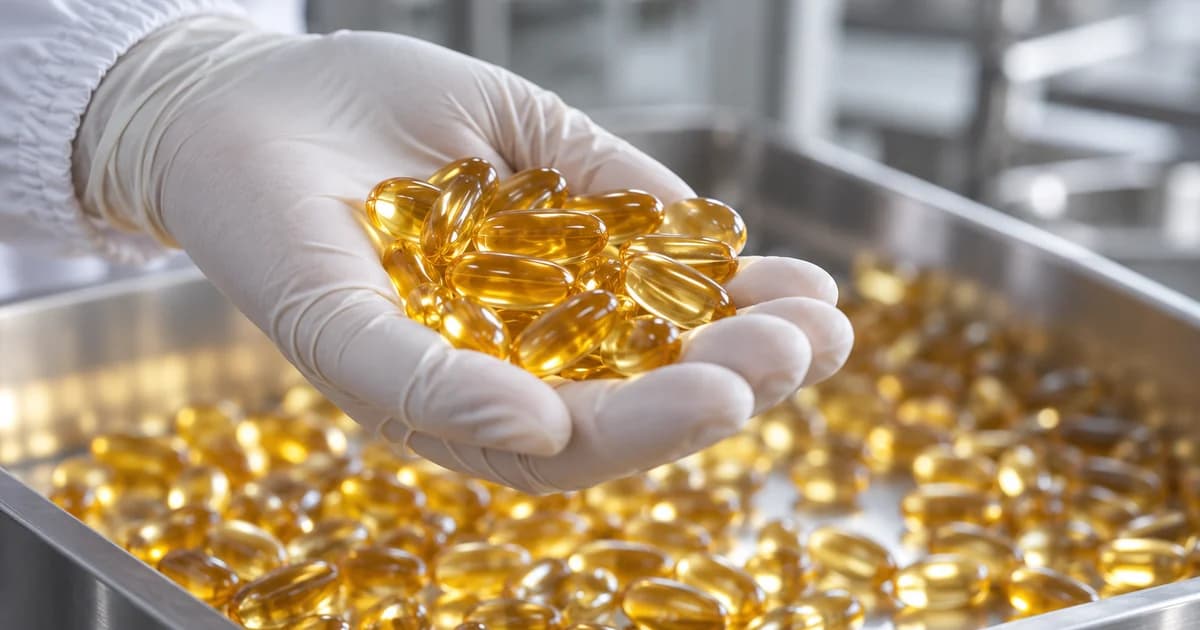
How Softgels Are Made: A Sourcing Guide for Brands
Softgels are one-piece capsules formed, filled and sealed in a single rotary die process. This guide covers the gelatin shell, fill formulation, encapsulation tolerances, quality checks and the MOQs and lead times buyers should plan for.
Read the guide →Have a product in mind?
Send us the brief and we will come back with a formulation direction, indicative price and a realistic lead time — usually within one working day.