Best Supplement Manufacturers in Australia for Your Brand
Compare Australian supplement manufacturers on MOQ, fill weight, lead time and certification. EUPHM runs GMP, ISO 22000 and HACCP lines with MOQs from 1,000 units and 7–10 day samples.
Overview
Australia has a mature contract manufacturing sector, but capacity, MOQ and certification vary widely. Brands sourcing here typically need TGA-listed or GMP-compliant partners, halal options for export, and realistic lead times. This page sets out what to check before you shortlist a manufacturer in Australia, and how EUPHM supports Australian brands and exporters with pilot runs, retail bottling and full documentation.
| MOQ (retail bottling) | 1,000 units per SKU; lower for pilot runs |
|---|---|
| Sample lead time | 7–10 working days |
| Mass production | 20–35 working days after approval |
| Certifications | GMP, ISO 9001, ISO 22000, HACCP, NSF/ANSI 455-2, halal, FDA-registered |
| Fill weights | Capsules 300–1,200 mg; powders 100 g–2 kg; liquids 30–500 ml |
| Line capacity | Up to 2.5 million capsules and 80,000 bottles per day |
Manufacturing Capability in Australia
Australian contract manufacturers typically run capsule, tablet, powder and liquid lines. Capacity ranges from pilot-scale 5,000-unit runs to 2 million units per month. Before you commit, ask for the actual fill weight range, not just the dosage form. A line that handles 500 mg capsules may not run 1,200 mg without retooling. Confirm whether bottling, labelling and shrink-wrapping are in-house or outsourced, as this affects lead time and cost.
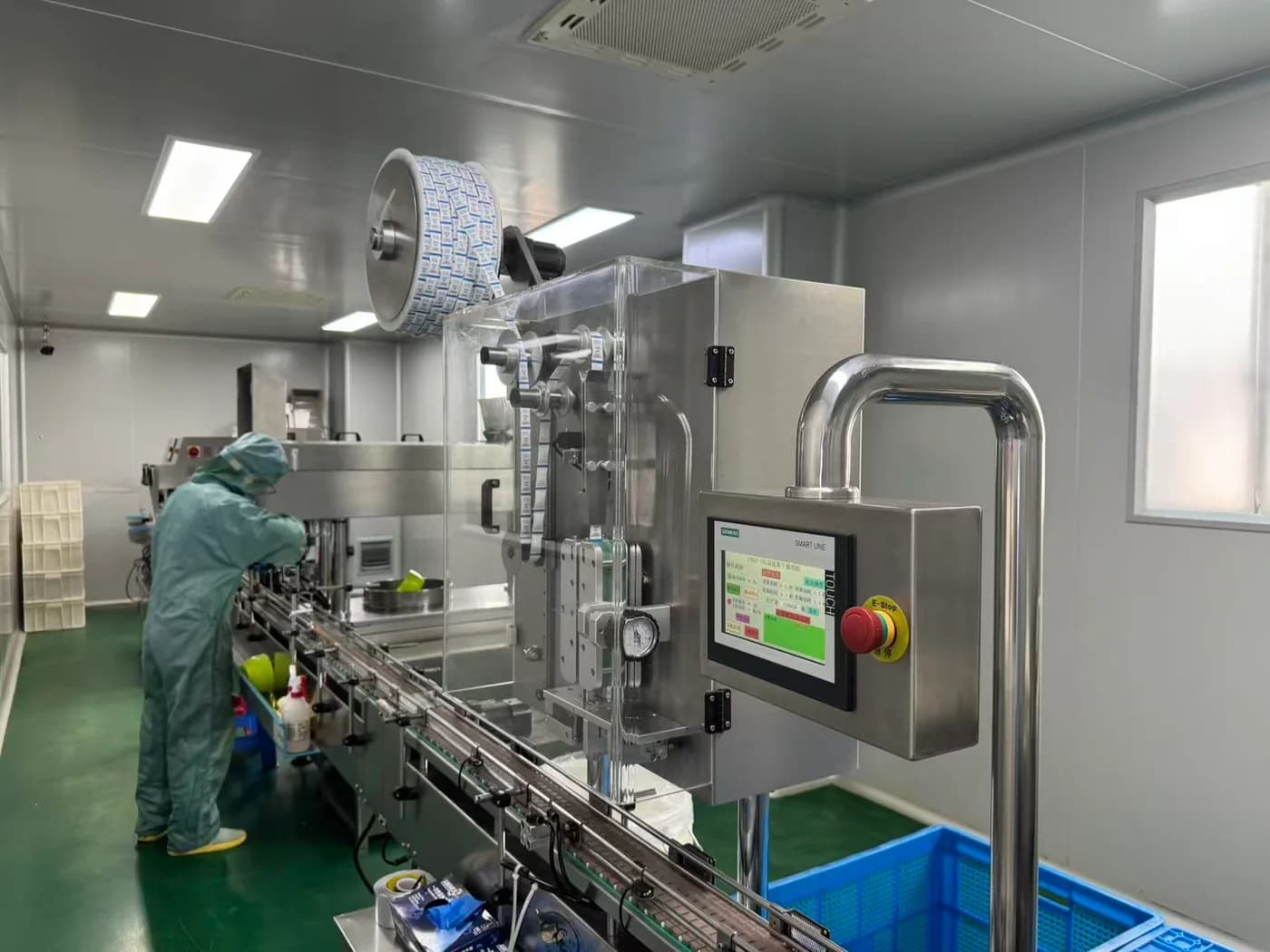
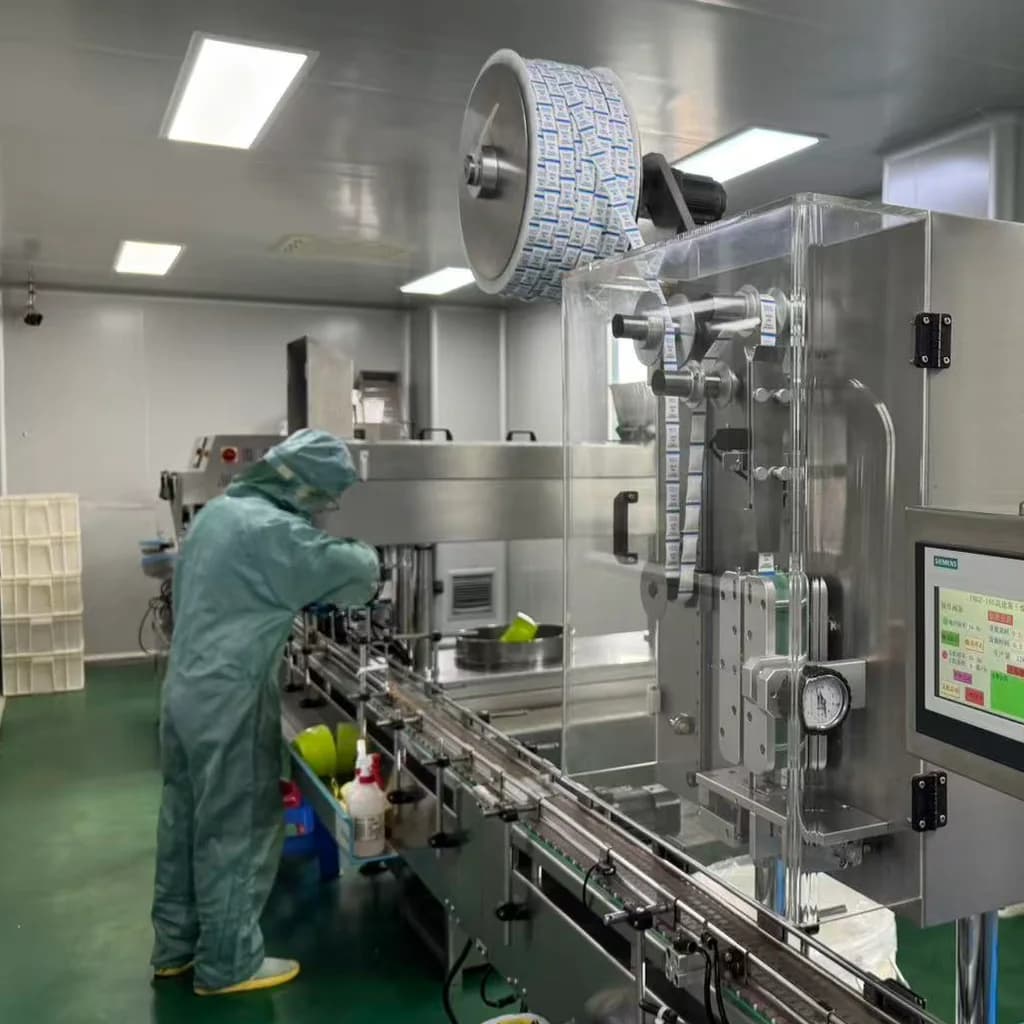
EUPHM operates capsule, tablet, powder and liquid lines with fill weights from 300 mg to 1,200 mg for capsules and 100 g to 2 kg for powders. Retail bottling runs at up to 80,000 bottles per day. For Australian brands, this means pilot runs of 1,000 units can scale to full production without changing suppliers. Ask for a line capacity statement in writing before you sign.
Formulation and Ingredient Sourcing
Australian buyers often need specific actives: magnesium glycinate, creatine monohydrate, ashwagandha KSM-66, vitamin D3, or marine collagen. Ingredient origin matters for label claims. Ask for country-of-origin documentation and assay certificates for every raw material. If you need vegan certification, confirm the ingredient is certified at source, not just at finished goods. Substitution of a cheaper grade mid-production is a common risk.
EUPHM sources ingredients with full traceability and provides assay, heavy metal and microbial test reports per batch. We hold halal and vegan certifications where the formulation requires them. For Australian brands exporting to the Middle East or Southeast Asia, halal certification is often mandatory. Confirm the certification body is recognised in your target market before production starts.
Quality, Compliance and Logistics
Australia's TGA regulates therapeutic goods, but many supplement brands list products as foods or export-only. Your manufacturer must match your regulatory pathway. Ask for GMP, ISO 22000 and HACCP certificates with current expiry dates. For US-bound products, an FDA-registered facility is relevant; for EU, confirm compliance with EC 1924/2006 health claim rules. Documentation should include batch records, COAs and stability data.
EUPHM holds GMP, ISO 22000 and HACCP certification and operates an FDA-registered facility for US exports. Typical mass production runs 20–35 working days after sample approval. Shipping from Guangdong to Sydney takes 12–18 days by sea and 3–5 days by air. We provide commercial invoices, packing lists, COAs and certificates of origin for customs clearance. Plan 6–8 weeks from purchase order to landed stock.
Quality Control and Batch Documentation at Australian Supplement Manufacturers
Every batch produced for an Australian brand is tested against a written specification before release. Identity testing confirms the incoming raw material matches its certificate of analysis, typically by FTIR or HPLC. Potency assays quantify active markers, for example 95% curcuminoids or 500 mg vitamin C per capsule. Microbial testing covers total aerobic count, yeast and mould, E. coli and Salmonella, with limits set to the destination market. Heavy metals are screened by ICP-MS for lead, arsenic, cadmium and mercury, and disintegration testing confirms capsules or tablets break down within the pharmacopoeial window.
Testing happens at three points: raw material receipt, in-process checks on blend uniformity and fill weight, and finished product release. A certificate of analysis for each batch lists the test, method, specification, result and pass or fail status, and is signed by the QC manager. Retained samples of every batch are kept for at least two years beyond the expiry date, so a stability question or a customer complaint can be investigated with the original material. Stability protocols normally run at 25°C/60% RH and 40°C/75% RH for three and six months accelerated, with ongoing annual batches to support a 24-month shelf life claim.
Australian buyers sourcing from EUPHM receive the full batch record package, including the COA, raw material certificates, packaging reconciliation and deviation log. Where a brand needs TGA-listed products, the documentation is structured so the sponsor can compile the evidence without chasing missing pages. This is the operational detail that separates a manufacturer able to support an audit from one that only supplies a product.
Packaging, Labelling and Retail Readiness
Packaging format follows the sales channel. Retail bottling in HDPE or PET runs from 60 cc to 500 cc with induction seals, child-resistant closures and desiccant where needed. Blister packs suit pharmacy and travel formats, while stick packs and sachets serve powder and liquid stick products in 5 g to 30 g doses. EUPHM also runs single-serve sachets for pre-workout and hydration lines. Bottle, cap and label are reconciled against the batch record, and any overage or shortfall is documented before release.
For products entering the United States, labels must carry the FDA dietary supplement panel: supplement facts, serving size, amount per serving, percent daily value where established, other ingredients, and the mandatory disclaimer. Australian retail labels follow the TGA listed medicine framework, which requires an AUST L number, a list of active and excipient ingredients and warning statements. EUPHM prints lot number and best-before date by inkjet or laser on the base or crimp, and cartons are specified with gross weight, dimensions and barcode so they can be received into retail distribution centres without rework.
Amazon and marketplace sellers need FNSKU labels applied over the primary barcode, poly-bagged units where the category requires it, and carton labels that match the shipment plan. EUPHM can apply FNSKU, expiration date and prep labels in-house, which avoids a third-party prep centre and the associated per-unit fee. Pallet specifications are built to the buyer's DC requirements: standard 1200 x 1000 mm or 1200 x 800 mm pallets, stretch-wrapped and edge-protected, with a maximum height of 1.8 m to 2.2 m depending on the freight forwarder.
MOQ, Lead Times and Delivery from Australian Supplement Manufacturers
The sample timeline starts with a formulation brief and runs 7 to 10 working days for a prototype in the requested dosage form. If a new tool or a custom capsule size is needed, add 10 to 15 working days. Sample approval is the trigger for mass production, which runs 20 to 35 working days depending on packaging complexity and whether labels are supplied by the brand or printed by EUPHM. A pilot run of 500 to 1,000 units can be scheduled before the full MOQ to test market response.
Delivery terms are quoted EXW, FOB or DDP. EXW places collection at the Guangdong factory, FOB covers export clearance and loading at the port, and DDP delivers to the brand's warehouse with duties and taxes paid. Air freight suits launch quantities and takes 5 to 8 days door to door; sea freight takes 18 to 28 days to Sydney or Melbourne and is cost-effective above roughly 150 kg. EUPHM provides the commercial invoice, packing list, COA, MSDS, free-sale certificate and, where relevant, phytosanitary certificate for plant-derived ingredients.
Australian importers should confirm the Incoterm before comparing quotes, because a DDP price and an FOB price are not like for like. EUPHM states the term on every quotation and includes the document set required for customs clearance, so the landed cost can be calculated before the purchase order is raised.
Options for Your Format
Capsules and tablets
Vegetarian or gelatin capsules, 300–1,200 mg fill. Tablets from 100 mg to 1,500 mg. Coating, enteric and sustained-release options available.
Powders and stick packs
100 g to 2 kg tubs, 5–30 g stick packs. Ideal for protein, greens, electrolytes and pre-workout. Flavouring and sweetener systems included.
Liquids and gummies
30–500 ml bottles and 60–120 count gummy formats. Suitable for kids, sleep and immunity products. Pectin or gelatin bases.
Private label and custom
Choose from 200+ stock formulations or develop a custom blend. MOQ 1,000 units for stock, 5,000 for custom. Full label design support.
From Spec to Shipment
- 01
Send your brief
Share dosage form, fill weight, target ingredients, quantity and destination market. We confirm feasibility within 2 working days.
- 02
Request samples
We produce samples in 7–10 working days. You approve flavour, colour, capsule size and packaging before mass production.
- 03
Confirm quotation
You receive a line-item quote covering ingredients, packaging, labelling, testing and shipping. MOQ and lead time are stated.
- 04
Place purchase order
A 30–50% deposit starts production. We provide a batch schedule and raw material certificates at this stage.
- 05
Production and QC
Mass production runs 20–35 working days. In-process checks and finished goods testing cover assay, microbials and heavy metals.
- 06
Shipping and documents
We arrange sea or air freight to Australia. Documents include COA, commercial invoice, packing list and certificate of origin.
Why EUPHM
Low MOQ, scalable
Start at 1,000 units per SKU for retail bottling. Scale to 2.5 million capsules per day without changing supplier or reformulating.
Certified for export
GMP, ISO 9001, ISO 22000, HACCP, NSF/ANSI 455-2 and halal certification; FDA facility registration for US-bound shipments.
Transparent lead times
Samples in 7–10 days, mass production in 20–35 working days. You get a written schedule before deposit.
Questions buyers ask.
What is the MOQ for supplement manufacturing in Australia?+
For retail bottling, expect 1,000 units per SKU. Pilot runs can go lower, often 1,000 units, but unit cost rises. EUPHM starts at 1,000 units for stock formulations and 5,000 for custom blends. Ask for a pilot-run quote if you are testing a new market.
How long does production take from sample to delivery?+
Samples take 7–10 working days. Mass production runs 20–35 working days after you approve the sample and pay the deposit. Sea freight from Guangdong to Sydney adds 12–18 days. Air freight adds 3–5 days. Total: 6–8 weeks from purchase order to landed stock.
Are Australian supplement manufacturers TGA licensed?+
Some are, but many contract manufacturers operate under food or export-only pathways. TGA licensing applies to therapeutic goods, not all supplements. Ask which regulatory pathway your product falls under. EUPHM holds GMP, ISO 22000 and HACCP, and operates an FDA-registered facility for US-bound products.
Can you provide halal certification?+
Yes. EUPHM holds halal certification where the formulation and ingredient sourcing allow. Certification is granted per product, not per facility, so confirm the specific SKU. For Middle East and Southeast Asian exports, halal certification is often required at the ingredient level as well as finished goods.
What fill weights and dosage forms do you run?+
Capsules from 300 mg to 1,200 mg. Tablets from 100 mg to 1,500 mg. Powders from 100 g to 2 kg in tubs, or 5–30 g stick packs. Liquids from 30 ml to 500 ml. Gummies in 60–120 count bottles. Line capacity reaches 2.5 million capsules and 80,000 bottles per day.
What testing is included in a standard batch certificate of analysis?+
A standard COA covers identity, potency or active marker assay, microbial limits, heavy metals and disintegration. Additional tests such as residual solvents, pesticide residues or allergen screening are added when the ingredient or destination market requires them. Each result is listed against its specification and method, and the document is signed by the QC manager before release.
Can you print and apply Amazon FNSKU labels and retail-ready packaging?+
Yes. EUPHM can apply FNSKU labels over the primary barcode, add expiration date and poly-bag units where the category requires it. Carton labels are matched to the shipment plan, and pallets are built to the buyer's distribution centre specification. This avoids a third-party prep centre and the per-unit fees that come with it.
Which Incoterms do you quote, and what documents come with each shipment?+
Quotes are issued as EXW, FOB or DDP, and the term is stated on every quotation so landed cost can be compared. Each shipment includes commercial invoice, packing list, COA, MSDS and free-sale certificate, plus a phytosanitary certificate where plant-derived ingredients require one. Air freight takes 5 to 8 days; sea freight to Sydney or Melbourne takes 18 to 28 days.
Have a product in mind?
Send us the brief and we will come back with a formulation direction, indicative price and a realistic lead time — usually within one working day.