Best Supplement Manufacturers in Malaysia
Malaysia has over 200 registered supplement manufacturers, but only a fraction hold GMP, ISO 22000, and HACCP together. This guide covers what separates the top tier, from MOQs and lead times to certification scope.
Overview
Malaysia’s supplement manufacturing sector has grown on the back of strong halal credentials and competitive pricing. For brand owners in the US, EU, UK, and Middle East, the country offers a strategic alternative to China or India for certain product categories. However, not all manufacturers are equal. This page breaks down the operational and compliance factors that define the best supplement manufacturers in Malaysia, and how to benchmark them against your own sourcing requirements.
- MOQ (retail bottling)
- 1,000 units per SKU
- MOQ (pilot runs)
- 500–1,000 units per SKU
- Sample lead time
- 7–10 working days
- Mass production lead time
- 20–35 working days
- Certifications
- GMP, ISO 9001, ISO 22000, HACCP, NSF/ANSI 455-2, halal, FDA-registered
- Fill weight range
- Capsules 200–1,200 mg; tablets 250–1,500 mg
Manufacturing Capability and Capacity
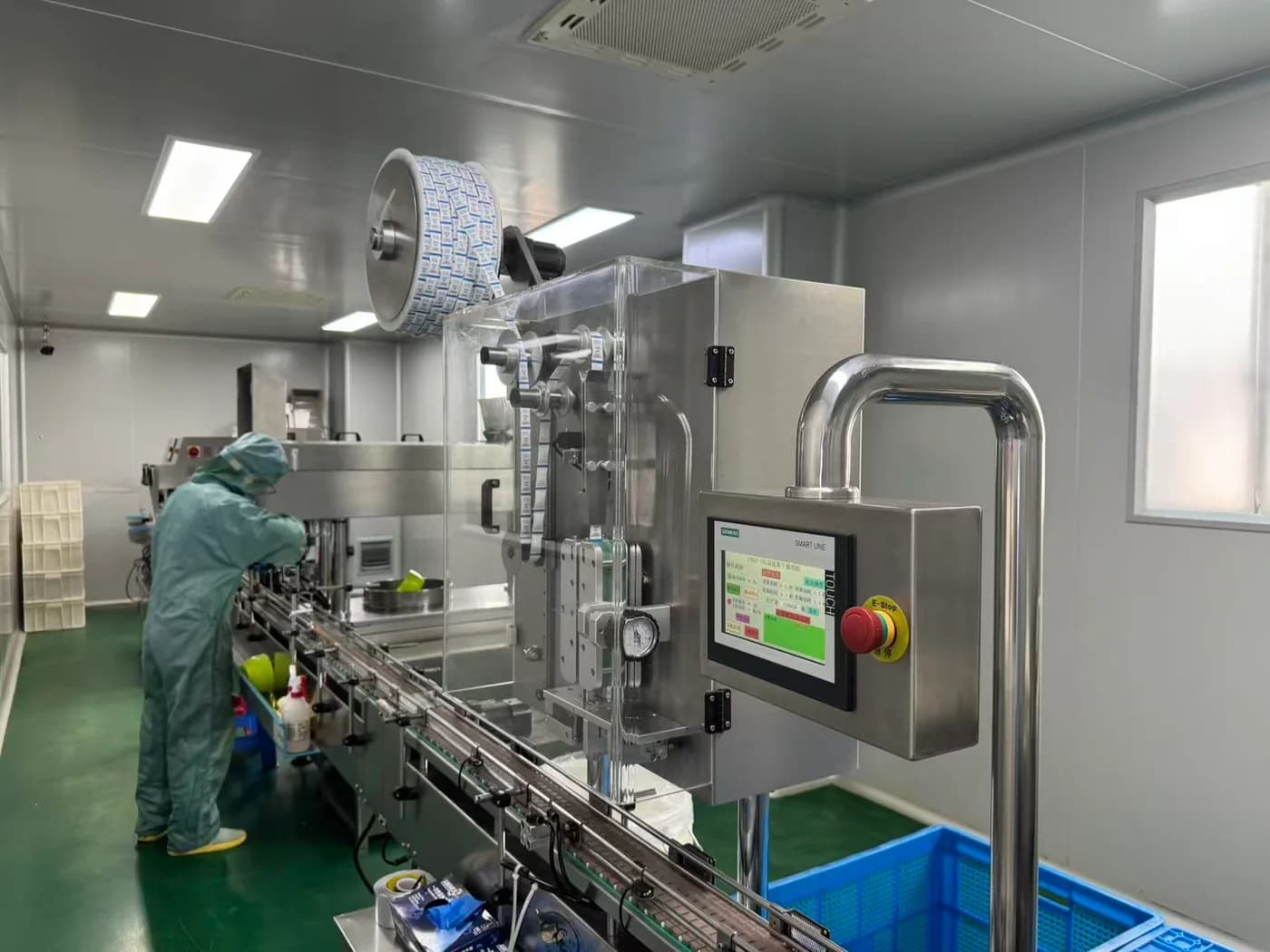
Malaysia’s top contract manufacturers operate facilities with dedicated lines for capsules, tablets, softgels, and powders. A typical mid-size plant runs 4–8 encapsulation lines with output of 500,000 to 2 million capsules per day. Blister packing, bottle filling, and sachet lines are usually in-house. For brands needing multi-SKU runs, look for manufacturers with separate rooms for beta-glucan or probiotic products to avoid cross-contamination.
When evaluating capacity, ask for the number of shifts per day and the changeover time between products. A plant running 3 shifts can hit 20–35 working day lead times consistently. Single-shift operations often stretch to 45 days. Also confirm whether the manufacturer owns or outsources coating and drying — this affects both lead time and quality control.
Formulation and Ingredient Sourcing
Malaysian manufacturers source actives from China, India, Europe, and the US. The best ones hold documentation for every incoming lot: certificate of analysis, heavy metal testing, and pesticide screening. For halal-certified products, the entire supply chain — including capsule shells and excipients — must be halal-approved. This is a key advantage for Middle East and Southeast Asian brands. Organic certification requires traceable organic inputs and separate storage.
Formulation support varies. Some manufacturers offer stock formulas with minor modifications; others have R&D teams that develop custom blends. For a custom formula, expect 2–4 weeks of development and a pilot batch before mass production. Request a stability study protocol if your product contains probiotics, omega-3, or vitamin C, as these require accelerated testing.
Quality Systems and Export Logistics
A GMP certificate is the baseline. The best Malaysian manufacturers also hold ISO 22000 for food safety management and HACCP for hazard analysis. Some have additional certifications for organic (USDA or EU organic). Check the scope of each certificate — it should cover the specific dosage form and facility you plan to use. FDA registration is not required for Malaysian manufacturers, but many register voluntarily to ease US customs clearance.
Export logistics from Malaysia are strong. Port Klang and Penang handle most supplement exports. Air freight to the US takes 3–5 days; sea freight 18–25 days to the US East Coast, 20–28 days to Europe. For Middle East, air freight is 2–4 days. The best manufacturers provide full export documentation: commercial invoice, packing list, certificate of origin, and health certificate. They also coordinate with freight forwarders for DDP or DAP terms.
Quality Control and Batch Documentation at Malaysian Supplement Manufacturers
At a well-run Malaysian supplement manufacturer, every raw material batch is quarantined until identity testing is complete. This typically involves FTIR or HPLC fingerprinting against a reference standard, plus a certificate of analysis review from the supplier. For botanical extracts, identity is confirmed by marker compounds, and for probiotics, strain-level verification and potency assays are performed. Microbial testing covers total aerobic count, yeast and mould, E. coli, Salmonella, and Staphylococcus aureus. Heavy metals (lead, arsenic, cadmium, mercury) are tested using ICP-MS, with limits aligned to USP <2232> or the destination market's pharmacopoeia. Disintegration testing follows USP <701> for tablets and <711> for capsules, ensuring the product releases within the specified window.
Finished product testing occurs after blending and encapsulation, before packaging. Potency assays confirm that actives meet label claim, typically within a 95–105% range for vitamins and 90–110% for herbal markers. A certificate of analysis (COA) is issued per batch and includes the product name, batch number, manufacturing date, expiry date, tests performed, specifications, results, and the analyst's signature. Additional documentation may include a statement of allergen status, a non-GMO declaration, and a residual solvent report where applicable. Malaysian manufacturers exporting to the EU often provide a COA in English and may include a conformity statement for the EU Food Supplements Directive.
Retention samples are kept for the duration of the product's shelf life plus six months, stored under controlled conditions (typically 25°C/60% RH or 30°C/65% RH for ASEAN). Stability protocols follow ICH Q1A(R2) guidelines, with real-time testing at 0, 3, 6, 12, 18, and 24 months, and accelerated testing at 40°C/75% RH for six months. These data support the expiry date and are often requested by brand owners during due diligence. A reputable manufacturer will share the stability summary and the retention sample policy in the quality agreement, which also defines deviation handling and out-of-specification investigation timelines.
Packaging, Labelling and Retail Readiness with Malaysian Supplement Manufacturers
Malaysian supplement manufacturers offer a range of primary packaging formats: high-density polyethylene (HDPE) bottles with induction seals, glass bottles, blister packs (PVC/PVDC or alu-alu), stick packs, and sachets. Bottle sizes typically range from 60 cc to 500 cc, with child-resistant closures available for the US market. For stick packs, fill weights range from 2 g to 10 g, and sachets from 1 g to 5 g. Labelling lines support up to six colours and can apply lot numbers and expiry dates by inkjet or laser. The choice of format affects MOQ and lead time, so brand owners should confirm availability before finalising artwork.
For the US market, labels must include the statement of identity, net quantity of contents, supplement facts panel, list of ingredients, and the name and place of business of the manufacturer or distributor. Allergen declarations follow FALCPA, and claims must comply with FDA structure/function rules. Malaysian manufacturers are familiar with these requirements and can provide label reviews, but final compliance responsibility rests with the brand owner. For the EU, labels must include the nutrition declaration, conditions of use, and a warning not to exceed the stated dose. Lot and expiry coding is applied to each unit and carton, with formats such as YYYYMMDD or DDMMYYYY agreed in advance.
Carton specifications typically include a maximum weight of 15 kg for manual handling, with dimensions suited to standard pallets (1200 x 1000 mm or 1200 x 800 mm). Shrink-wrapping and palletisation follow ISTA or customer-specific requirements. For Amazon sellers, manufacturers can apply FNSKU labels and poly-bag units, but they do not manage FBA shipments; that remains the seller's responsibility. Retail-ready packaging, such as display cartons, is available upon request, though it may increase MOQ by 1,000 units per SKU.
MOQ, Lead Times and Delivery from Malaysian Supplement Manufacturers
Sampling typically takes 7–10 working days from receipt of a signed specification and purchase order for samples. This includes raw material sourcing, small-scale blending, and packaging into the requested format. Courier costs are borne by the buyer, and samples are usually sent by express air. For custom formulations, an additional 5–7 days may be required for development and stability initiation. Sample quantities are generally 10–30 units, sufficient for internal evaluation and, if needed, third-party testing.
Mass production lead time ranges from 20–35 working days after sample approval and receipt of deposit. This window covers raw material procurement (7–10 days), production (5–10 days), quality testing (5–7 days), and packaging (3–5 days). Delays can occur if artwork approval is pending or if speciality ingredients have longer lead times. Brand owners should plan for a 45–60 day total cycle from order to delivery, including shipping. Production capacity varies by manufacturer; a mid-sized Malaysian facility may produce 50–100 million capsules per month.
Shipping options include air freight (3–7 days to US/EU) and sea freight (18–30 days to US, 25–35 days to EU). Incoterms offered are typically EXW, FOB Port Klang or Penang, or DDP for select destinations. DDP is available for the US, UK, and EU, with the manufacturer or their freight forwarder handling customs clearance and duties. Documentation provided includes COA, MSDS, free-sale certificate, and phytosanitary certificate for herbal ingredients. A certificate of origin can be arranged for ASEAN or other trade agreements. Brand owners should confirm which documents are included in the quoted price.
Manufacturing Options to Compare
Capsule manufacturing
Hard-shell capsules in sizes 0–3, fill weights 200–1,200 mg. Vegetarian HPMC and gelatin options. Typical MOQ 1,000 units.
Tablet manufacturing
Direct compression or wet granulation. Fill weights 250–1,500 mg. Coating available for taste masking and delayed release. MOQ 5,000 units.
Powder and sachet
Stick packs and jars for drink mixes. Fill weights 5–30 g per sachet. Ideal for protein, collagen, and electrolyte products. MOQ 1,000 units.
Private label stock formulas
Choose from existing formulations for vitamins, minerals, herbals, and sports nutrition. Lower MOQ of 1,000 units. Lead time 15–25 working days.
From Enquiry to Delivery
- 01
Verify certifications
GMP, ISO 9001, ISO 22000, HACCP, NSF/ANSI 455-2 and halal certification; FDA facility registration for US-bound shipments.
- 02
Request samples
Ask for 3–5 sample units of similar products. Evaluate appearance, smell, and disintegration. Sample lead time is typically 7–10 working days from Malaysian manufacturers.
- 03
Confirm MOQ and pricing
Get written quotes for 1,000, 5,000, and 10,000 units. Clarify if tooling, setup, or label printing are included. Pilot runs may have higher per-unit cost.
- 04
Audit the facility
Schedule a virtual or on-site audit. Check cleanroom classification, air handling, water treatment, and equipment calibration records. Look for separate rooms for allergens.
- 05
Review documentation
Ask for a sample certificate of analysis and a stability study protocol. Confirm they provide export documents for your destination country, including health certificates.
- 06
Place a pilot order
Start with 500–1,000 units to test quality and communication. Evaluate lead time adherence and packaging. Scale to full production after approval.
Why EUPHM
Halal leadership
Malaysia’s halal certification is globally recognised. This opens markets in the Middle East, Indonesia, and Malaysia with minimal additional compliance.
Competitive moqs
MOQs of 1,000 units are standard, lower than many EU or US manufacturers. Pilot runs of 500 units are available for new brands.
Strong export infrastructure
Port Klang and Penang offer frequent sailings and air cargo. Documentation support for US, EU, and Middle East customs is well-established.
Questions buyers ask.
What is the typical MOQ for supplement manufacturers in Malaysia?+
For retail bottling, MOQ is typically 1,000 units per SKU. For pilot runs, some manufacturers accept 500–1,000 units. MOQ depends on capsule size, packaging type, and whether the formula is stock or custom.
How long does production take in Malaysia?+
Sample lead time is 7–10 working days. Mass production takes 20–35 working days after sample approval and receipt of packaging materials. Delays can occur if raw materials are out of stock or if labels need revision.
Are Malaysian supplement manufacturers GMP-certified?+
Many are. The best hold GMP, ISO 22000, and HACCP. Some also have halal certification. Always verify the certificate scope covers your dosage form and facility.
Can Malaysian manufacturers export to the US and EU?+
Yes. They provide commercial invoices, packing lists, certificates of origin, and health certificates. Some are FDA-registered. For EU, they comply with EC regulations on food supplements. Lead times for export documentation are 2–5 working days.
What is the difference between Malaysian and Chinese supplement manufacturers?+
Malaysia offers stronger halal credentials and often lower MOQs. China may have lower per-unit costs at high volumes and faster lead times for certain ingredients. The best choice depends on your target market and certification needs.
What testing is performed on finished supplements before shipment?+
Finished product testing typically covers potency (to confirm label claim), microbial limits, heavy metals, and disintegration. Some manufacturers also test for residual solvents, pesticides, and allergen cross-contact. Testing occurs after production and before packaging, with results recorded on the batch COA. Brand owners can request additional tests, such as stability-indicating assays, at extra cost and with added lead time.
Can Malaysian manufacturers handle Amazon FBA labelling requirements?+
Yes, most manufacturers can apply FNSKU labels and poly-bag units according to Amazon's packaging requirements. However, they do not manage FBA shipments or create shipping plans; that remains the seller's responsibility. Manufacturers will pack and label according to the seller's instructions, but sellers should provide clear labelling files and confirm poly-bag suffocation warnings and expiration date formatting.
What documents are provided for customs clearance?+
Standard documents include the commercial invoice, packing list, bill of lading or air waybill, certificate of analysis, MSDS, and free-sale certificate. For herbal products, a phytosanitary certificate may be required by some countries. A certificate of origin can be provided for preferential tariff treatment. Brand owners should confirm the exact document set with their freight forwarder and ensure the manufacturer includes them in the quotation.
Have a product in mind?
Send us the brief and we will come back with a formulation direction, indicative price and a realistic lead time — usually within one working day.