Best Supplement Manufacturers in USA: A Practical Sourcing Guide
Finding the best supplement manufacturers in the USA means weighing MOQ, lead time, certifications and formulation support. This guide compares what US brands actually need, with concrete numbers from a GMP-certified contract manufacturer.
Overview
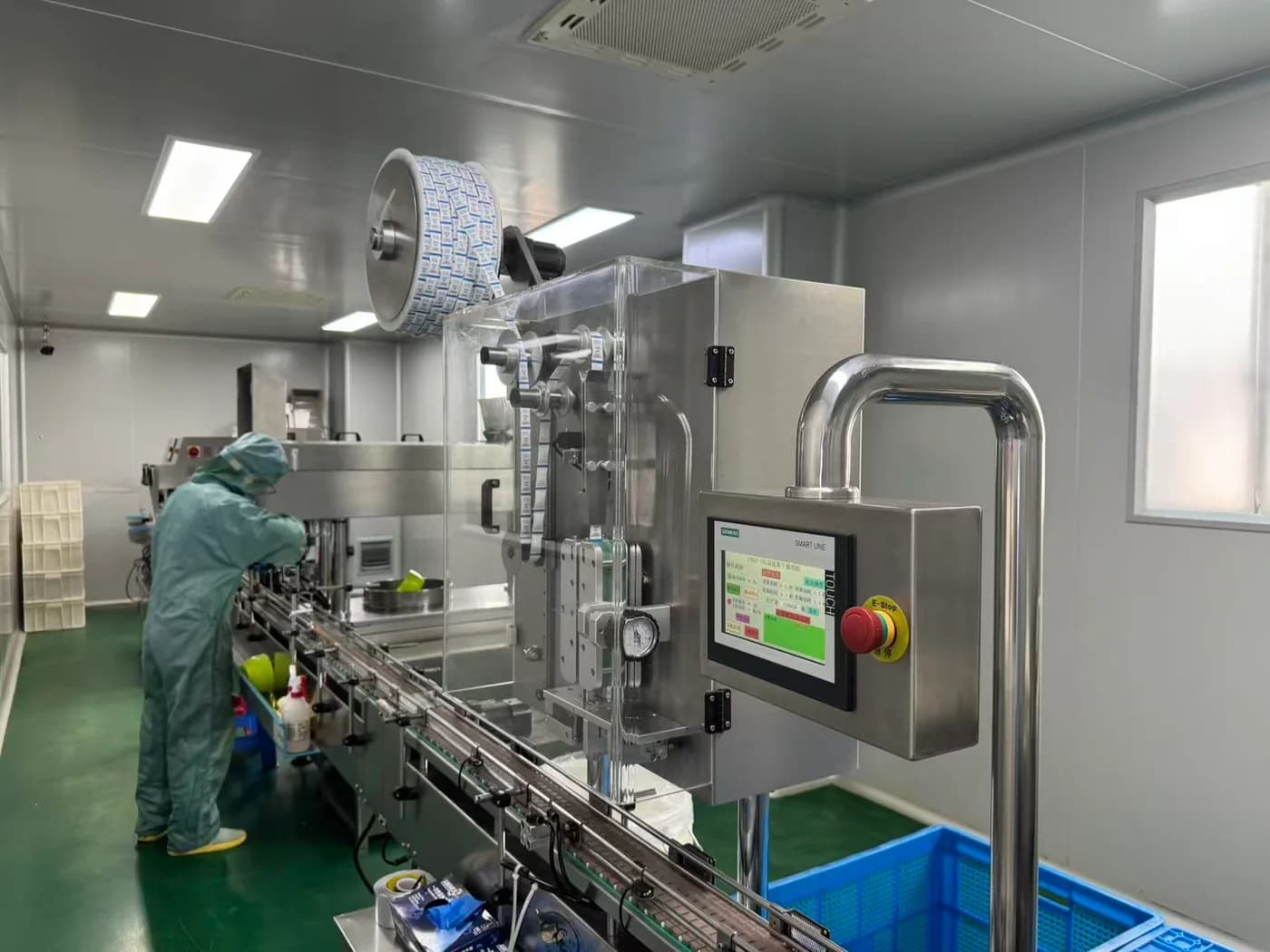
US brand owners often search for the best supplement manufacturers in the USA, but the right partner depends on volume, format and compliance. Domestic plants may offer shorter freight, yet many brands also evaluate overseas GMP-certified manufacturers for cost and capacity. EUPHM runs a GMP, ISO 22000 and HACCP facility in Guangdong, producing retail bottles, stick packs and capsules for US, EU, UK and Middle East brands. This page sets out the real parameters: MOQ 1,000 units per SKU, sample lead time 7–10 working days, and mass production in 20–35 working days.
- Minimum order quantity
- 1,000 units per SKU for retail bottling; lower for pilot runs
- Sample lead time
- 7–10 working days
- Mass production
- 20–35 working days after sample approval
- Certifications
- GMP, ISO 9001, ISO 22000, HACCP, NSF/ANSI 455-2, halal, FDA-registered
- Fill weights
- Capsules 300–1,200 mg; powders 5–30 g per stick pack; gummies 2–4 g
- Line capacity
- Up to 2 million capsules and 500,000 bottles per month
US Manufacturing vs. GMP Contract Partners
US-based manufacturers can offer short domestic freight and quick turnarounds for urgent reorders. However, their MOQs often start at 10,000 units per SKU, and lead times can stretch to 40–60 days during peak season. For emerging brands, that ties up cash and warehouse space. A GMP-certified contract manufacturer in Asia can run 1,000-unit MOQs, which suits market testing and limited editions.
When comparing the best supplement manufacturers in USA directories, check whether the facility is FDA-registered and GMP-certified. US importers should also verify that the overseas plant follows 21 CFR Part 111 equivalency, holds ISO 22000 and HACCP, and can issue certificates of analysis for every lot. EUPHM provides batch records, heavy-metal testing and microbial reports before shipment.
Formulation and Ingredient Flexibility
US consumers expect clean labels, allergen declarations and dose transparency. A contract manufacturer should handle capsules, tablets, powders, gummies and stick packs under one roof. Formulation support matters: can the plant adjust actives, excipients and flavours without changing the MOQ? Can it source organic, halal ingredients and keep documentation for each? EUPHM maintains approved supplier lists and tests incoming raw materials for identity, potency and contaminants.
For sports nutrition and functional foods, fill weight and serving size drive cost. Capsules typically run 300–1,200 mg; stick packs 5–30 g; gummies 2–4 g. If a formula needs a proprietary blend, the manufacturer should confirm that the blend ratio stays within label claim tolerances. Pilot runs let brands test 500–1,000 units before committing to a full 1,000-unit batch, reducing risk on new SKUs.
Quality, Compliance and Logistics to the US
Compliance is not a single certificate. It is a chain: GMP, ISO 22000, HACCP, plus halal or vegan where the product claims require it. US-bound shipments need correct labelling, ingredient statements, allergen warnings and country-of-origin marking. A manufacturer used to exporting to the US will prepare commercial invoices, packing lists and certificates of analysis that match FDA prior notice requirements.
Logistics affect total landed cost. Ocean freight from Guangdong to Los Angeles or New York takes roughly 18–35 days, depending on port and season. Air freight is faster but costs more per kilogram. EUPHM schedules production in 20–35 working days and coordinates with freight forwarders for FOB or DDP terms. Brands should plan a 60–90 day pipeline from purchase order to warehouse receipt.
Quality Control and Batch Documentation at US-Bound Supplement Manufacturers
Every batch produced for a US buyer is sampled at three points: incoming raw material, in-process blend, and finished goods. Identity testing uses FTIR or HPLC against a reference standard, and potency is assayed to confirm the label claim falls within 95–105 percent of declared content. Microbial testing covers total aerobic count, yeast and mould, E. coli, Salmonella and Staphylococcus aureus. Heavy metals (lead, arsenic, cadmium, mercury) are screened against USP <2232> limits, and disintegration testing follows USP <701> for tablets and capsules.
A certificate of analysis is issued per batch and lists the product name, lot number, manufacture and expiry dates, test parameters, specification limits, results and the analyst or QA sign-off. Where a buyer needs it, third-party laboratory reports from an accredited external lab can be arranged at cost. Retention samples of every lot are held for the shelf life plus twelve months, so a disputed batch can be re-tested long after shipment.
Stability follows a defined protocol: accelerated conditions at 40°C and 75 percent relative humidity for six months, with real-time data at 25°C and 60 percent relative humidity running in parallel. Assay, moisture, microbials and appearance are checked at 0, 1, 3 and 6 months for accelerated samples. This supports the expiry date printed on the US label and gives brand owners defensible documentation if a retailer or the FDA requests substantiation.
Deviation handling is documented rather than verbal. If an in-process result falls outside specification, the batch is quarantined, an investigation record is opened, and release only proceeds after QA review and, where relevant, re-testing of the affected portion. Buyers receive a batch record summary on request, which is useful when a US contract manufacturer or distributor audits the supply chain behind the brand.
Packaging, Labelling and Retail Readiness
Primary packaging options include HDPE bottles from 60 cc to 500 cc with induction seals and child-resistant closures, blister packs on PVC or PVDC film, single-serve stick packs of 5–30 g, and sachets. Gummies ship in PET jars or pouches. Bottle labelling supports up to six panels, and cartons can be printed with lot and expiry coding applied by inkjet or laser at the filling line, so the code matches the batch record rather than being added later by hand.
US dietary supplement labels must carry the statement of identity, net quantity of contents, a Supplement Facts panel with serving size and percent daily values, an ingredient list in descending order of predominance, and the name and place of business of the manufacturer, packer or distributor. Allergen declarations follow FALCPA requirements. Structure-function claims must include the standard disclaimer that the statement has not been evaluated by the FDA and the product is not intended to diagnose, treat, cure or prevent any disease.
Cartons are specified to withstand US distribution: typical corrugated board is 32 ECT or 44 ECT, with units per carton and carton dimensions agreed before production. Pallets are built to 48 by 40 inches, stretch-wrapped, and can be heat-treated and ISPM 15 stamped for wood. For Amazon sellers, FNSKU labels can be applied over the retail barcode, poly-bagged units prepared, and cartons marked with FBA box labels, provided artwork and label files arrive before the packaging run starts.
Retail readiness also means barcode compliance. UPC-A or EAN-13 codes are verified by scan before the run, and GS1-registered numbers remain the brand owner's responsibility. Nutrition and Supplement Facts panels are proofed against the final formula, not the draft, because a late change to an excipient or overage can shift the panel and force a reprint. Proof approval is a hard gate: once the printer is signed off, label changes become a new production run.
MOQ, Lead Times and Delivery from Overseas Supplement Manufacturers
The sample stage runs 7–10 working days from receipt of a signed formula and packaging brief. Samples are dispatched by courier, typically 3–5 days to US addresses, and the buyer should test appearance, taste, fill weight and label fit before approving. Sample fees are usually credited against the first production order. Formula changes after sample approval restart the clock, so it pays to settle flavour, sweetener and excipient choices early.
Mass production takes 20–35 working days after sample approval and receipt of packaging materials. Bottles, labels and cartons typically add 10–15 days if sourced new, which is why artwork approval is the critical path. Line capacity of up to 2 million capsules and 500,000 bottles per month means larger programmes can be scheduled in tranches, with a first shipment released while later lots are still in production.
Shipping to the US is by air or sea. Air freight takes 5–8 days door to door and suits pilot runs and replenishment; sea freight takes 25–35 days port to port, or roughly 30–40 days door to door via Los Angeles or New York, and is the economical choice above about 200 kg. Incoterms offered are EXW, FOB Shenzhen or Hong Kong, and DDP for buyers who want the freight, duty and customs clearance handled in one invoice.
Each shipment is accompanied by a certificate of analysis, a material safety data sheet where applicable, a free-sale certificate, and a certificate of origin. Phytosanitary certificates apply only to botanical raw materials and are issued where the importing state or buyer requires them. Commercial invoice, packing list and bill of lading are issued in the shipper's name or the buyer's, and documents are sent ahead of the vessel so customs brokers can pre-clear the entry.
How US supplement manufacturers compare on MOQ for small brands
US contract manufacturers often quote MOQs of 10,000 to 50,000 units per SKU because their lines are set up for large retail programmes. Smaller US plants may accept 5,000 units but charge higher per-unit costs. Overseas GMP facilities can often start at 1,000 units per SKU, which suits a brand testing a new SKU before committing to a full retail rollout.
The trade-off is freight and lead time, not quality. A 1,000-unit run shipped by air adds cost per unit but avoids tying up capital in inventory. Brands typically use a first small run to validate the formula and packaging, then move to sea freight and larger volumes once sell-through is proven.
Do US supplement manufacturers require FDA registration?
The FDA does not register dietary supplement manufacturers in the way it registers drug establishments, but facilities that manufacture, process, pack or hold dietary supplements for US commerce must register under the Bioterrorism Act and comply with 21 CFR Part 111 current good manufacturing practice. A foreign facility must also appoint a US agent.
Buyers should ask for the facility registration number, the most recent FDA inspection outcome if any, and the GMP certificate. A manufacturer that cannot produce these documents in a few days is a poor bet, regardless of price.
What payment terms are typical for overseas supplement manufacturers?
Most overseas GMP manufacturers ask for a deposit of 30 to 50 percent with the balance due before shipment, released against a copy of the bill of lading or before telex release. For first orders, a 50/50 split is common; repeat buyers with a track record often move to 30/70 or letter of credit terms.
Payment is usually by T/T in US dollars. Letters of credit at sight are accepted for orders above a set threshold, typically USD 50,000, and add bank charges at both ends. Buyers should confirm currency, bank details and any documentary requirements before the deposit is sent.
Configurations to Compare
Retail bottling
PET and HDPE bottles from 60 cc to 1,000 cc, with induction seals, child-resistant caps and shrink bands. MOQ 1,000 units per SKU.
Stick packs and sachets
Powder fills from 5 g to 30 g, ideal for sports nutrition, hydration and functional blends. Lower pilot MOQs available for market testing.
Capsules and tablets
Two-piece capsules and compressed tablets, 300–1,200 mg. Coating, enteric and sustained-release options are available on request.
Gummies and chewables
Pectin or gelatin bases, 2–4 g per piece. Vegan, halal formulations can be produced with certified ingredients.
How We Work
- 01
Share your brief
Send target formula, serving size, packaging format and label claims. A technical manager reviews feasibility and flags any compliance gaps within 2 working days.
- 02
Request samples
Receive 7–10 working day sample turnaround for capsules, powders or gummies. Samples include a draft specification and certificate of analysis.
- 03
Approve the formula
Confirm actives, excipients, flavour and fill weight. Lock the master batch record and sign off on the label artwork before production scheduling.
- 04
Place the purchase order
MOQ 1,000 units per SKU for retail bottling. Pilot runs start lower. Payment terms and Incoterms are agreed in writing.
- 05
Production and QC
Mass production runs 20–35 working days. In-process checks cover weight, hardness, disintegration and microbial limits. Batch records are retained for traceability.
- 06
Ship and reorder
Finished goods are packed for export with commercial invoices and COAs. Reorders use the approved master batch record, cutting lead time by 3–5 days.
Why EUPHM
Low moqs for testing
Start at 1,000 units per SKU for retail bottling, with lower pilot runs. This lets US brands validate demand before scaling to full container loads.
Certified quality systems
GMP, ISO 9001, ISO 22000, HACCP, NSF/ANSI 455-2 and halal certification; FDA facility registration for US-bound shipments.
Transparent lead times
Samples in 7–10 working days; mass production in 20–35 working days. Freight forwarders coordinate ocean or air shipments to US ports.
Questions buyers ask.
Are there US-based supplement manufacturers with lower MOQs?+
Some US manufacturers offer MOQs from 5,000 units, but 1,000-unit MOQs are more common with overseas GMP-certified plants. If you need a domestic partner, expect higher per-unit costs and longer lead times during peak season. Always confirm whether the MOQ applies per SKU or per order.
How do I verify a manufacturer is GMP-certified?+
Ask for the GMP certificate, ISO 22000 and HACCP documents, and the facility’s FDA registration number. Check that the certificate scope covers your product format, such as capsules or gummies. Request a recent audit report or a certificate of analysis from a previous production lot.
What is the typical lead time for supplement manufacturing?+
Sample lead time is 7–10 working days. Mass production runs 20–35 working days after sample approval and purchase order. Add 18–35 days for ocean freight to US ports, plus customs clearance. A 60–90 day pipeline from purchase order to warehouse is realistic for first orders.
Can you produce organic, halal supplements?+
Yes. The facility holds halal certifications and can source organic ingredients. Vegan formulations are available for capsules and gummies. Each claim requires documentation, so provide your target certification and market so the correct raw materials and labels are used.
What fill weights and packaging formats are available?+
Capsules range from 300 mg to 1,200 mg. Stick packs hold 5–30 g of powder. Gummies are 2–4 g per piece. Retail bottling uses PET or HDPE bottles from 60 cc to 1,000 cc. Bulk packaging is also available for brands that fill domestically.
How US supplement manufacturers compare on MOQ for small brands+
US contract manufacturers often quote MOQs of 10,000 to 50,000 units per SKU because their lines are set up for large retail programmes. Smaller US plants may accept 5,000 units but charge higher per-unit costs. Overseas GMP facilities can often start at 1,000 units per SKU, which suits a brand testing a new SKU before committing to a full retail rollout. The trade-off is freight and lead time, not quality.
Do US supplement manufacturers require FDA registration?+
The FDA does not register dietary supplement manufacturers in the way it registers drug establishments, but facilities that manufacture, process, pack or hold dietary supplements for US commerce must register under the Bioterrorism Act and comply with 21 CFR Part 111 current good manufacturing practice. A foreign facility must also appoint a US agent. Buyers should ask for the facility registration number, the most recent FDA inspection outcome if any, and the GMP certificate.
What payment terms are typical for overseas supplement manufacturers?+
Most overseas GMP manufacturers ask for a deposit of 30 to 50 percent with the balance due before shipment, released against a copy of the bill of lading or before telex release. For first orders, a 50/50 split is common; repeat buyers with a track record often move to 30/70 or letter of credit terms. Payment is usually by T/T in US dollars, and letters of credit at sight are accepted for larger orders.
Have a product in mind?
Send us the brief and we will come back with a formulation direction, indicative price and a realistic lead time — usually within one working day.