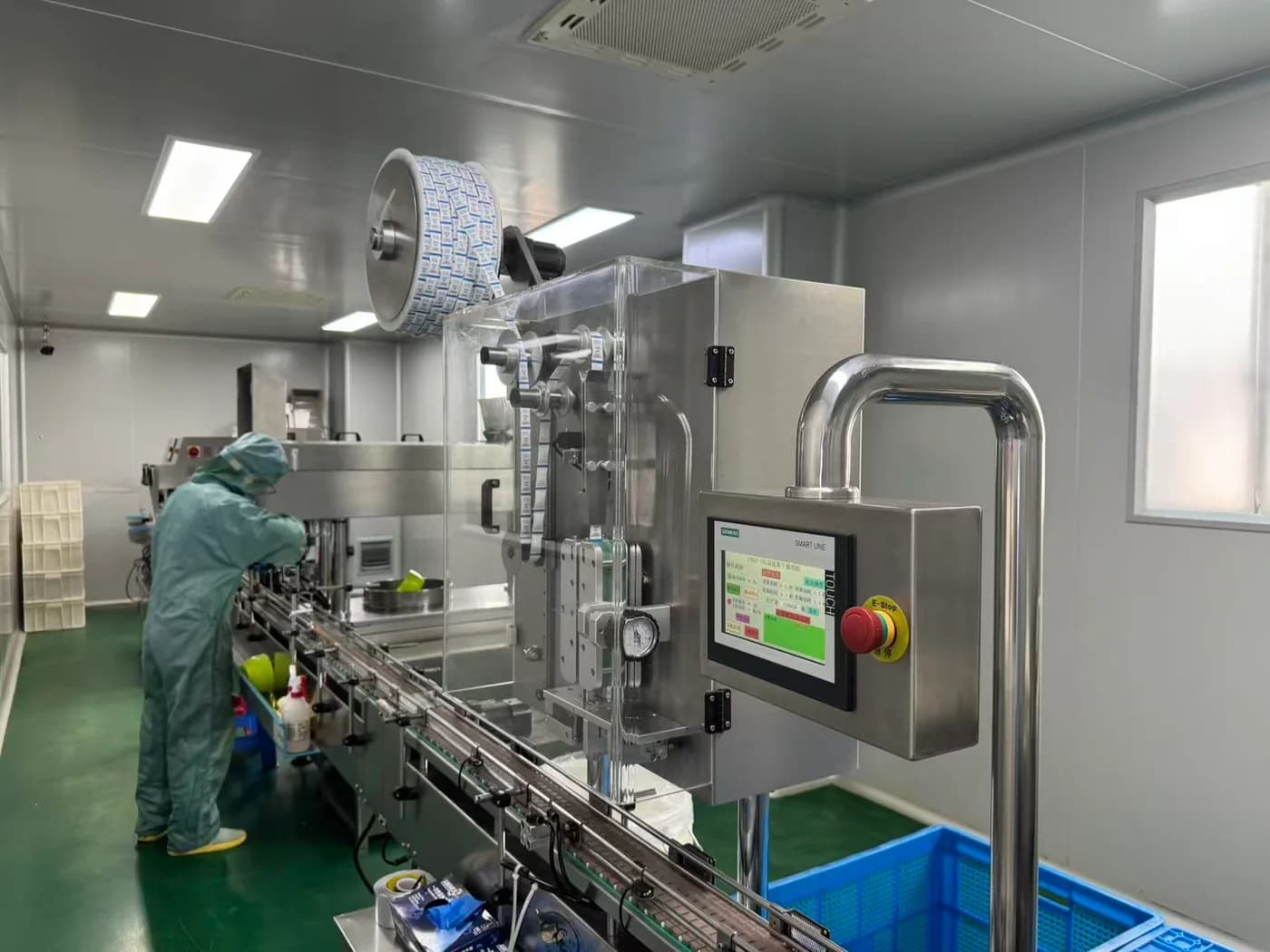
Best Supplement Manufacturers in New York: A Sourcing Guide
New York brands often default to local contract manufacturers. But capacity, certification and cost per unit can favour a GMP-certified partner abroad. Here is how to compare options without compromising on quality or lead time.
Overview
New York is a dense market for supplement brands, from Manhattan startups to distributors in Buffalo. Local manufacturers offer proximity, but few can match the scale, certification range and unit economics of a dedicated export-focused plant. This page sets out what to check when sourcing a supplement manufacturing partner, whether you are in New York or comparing across the wider USA.
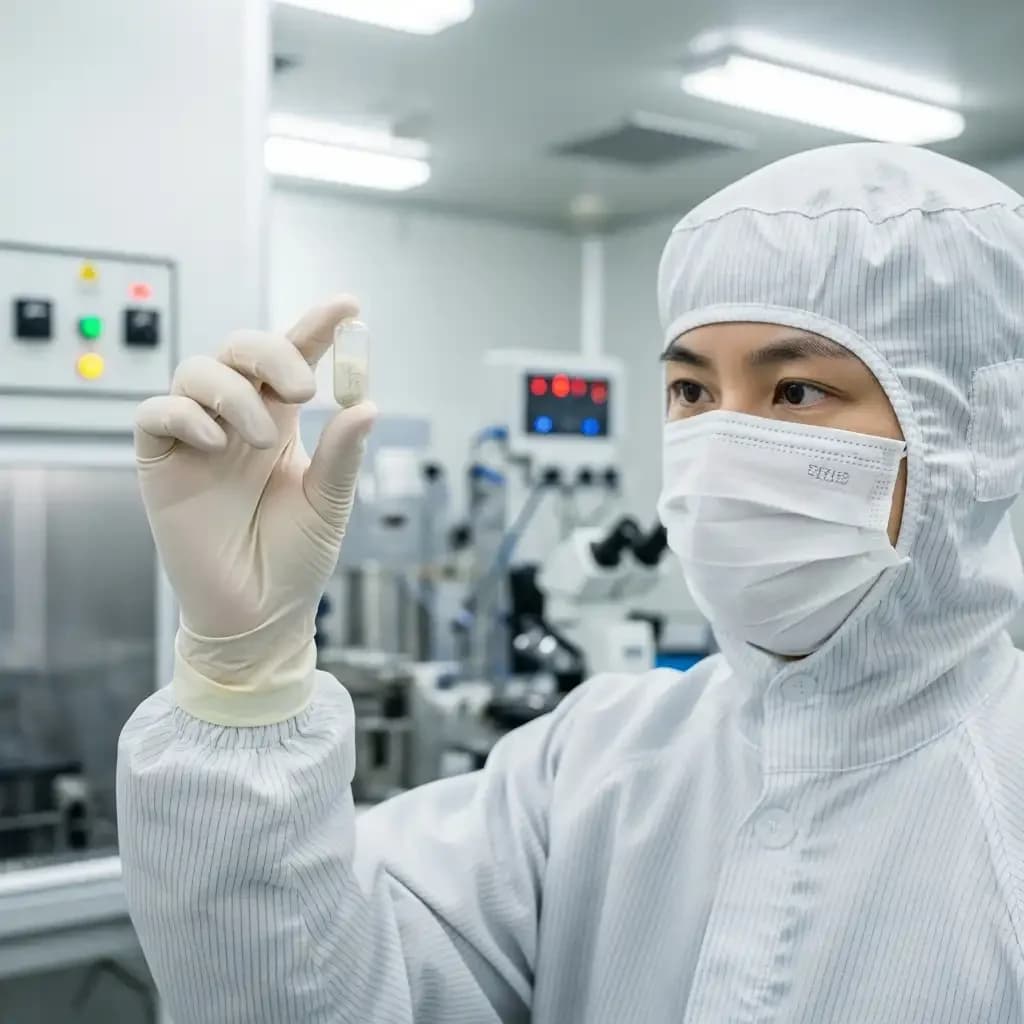
Manufacturing Capability for US-Bound Brands
A New York brand sourcing domestically may find minimum order quantities of 10,000 units or more at some local plants. EUPHM runs retail bottling from 1,000 units per SKU, with pilot runs below that for market testing. Capsule filling runs up to 2 million units daily; tablet compression up to 1.5 million. That capacity matters when a launch date is fixed and reorders need to follow within weeks, not months.
The plant handles capsules, tablets, softgels and powders under one roof. Packaging options include HDPE bottles, PET jars, blister packs and stick packs. For brands shipping into New York warehouses or Amazon FBA centres, we provide FNSKU labelling and carton marking. Production scheduling is confirmed at PO stage, so you can plan inventory around a 20–35 working day window rather than an open-ended estimate.
Formulation and Ingredient Sourcing
New York buyers often ask about ingredient origin first. We source vitamins, minerals, botanicals and amino acids from qualified suppliers in the US, Europe and Asia, with certificates of analysis for each lot. Standard actives include vitamin D3, magnesium glycinate, ashwagandha KSM-66, creatine monohydrate, collagen peptides and melatonin. Dosages are matched to label claims, not diluted to hit a price point.
Custom formulations are developed with your brief: target actives, dosage form, excipient preferences and allergen constraints. We can produce vegan capsules, organic-certified powders and halal lines on separate equipment. Flavour systems for gummies and drink mixes are available, though gummy MOQs sit higher than capsules. If you already have a formula, we run a small batch to confirm flowability, taste and stability before mass production.
Quality, Compliance and Shipping to New York
The facility is GMP-certified and holds ISO 22000 and HACCP. It is FDA-registered for dietary supplements. Every batch is tested for identity, potency, heavy metals and microbial limits before release. Retain samples are kept for 12 months. Certificates of analysis and certificates of free sale are issued with each shipment, which helps with US customs and retailer onboarding.
Shipping to New York typically runs 18–25 days by sea to Newark or 5–8 days by air to JFK, plus customs clearance. We handle export documentation, commercial invoices and packing lists. For brands comparing local New York manufacturers against overseas options, the landed cost per unit often favours a certified export plant at volumes above 5,000 units, even after freight.
Quality Control and Batch Documentation
Every batch produced for a New York supplement brand is tested at three stages: incoming raw materials, in-process, and finished goods. Raw material identity is confirmed by FTIR or HPLC against a reference standard, and potency is assayed before release to production. During encapsulation or tableting, weight variation and hardness are checked at hourly intervals. Finished products are tested for identity, potency, microbial limits (total aerobic count, yeast and mould, E. coli, Salmonella), heavy metals (lead, arsenic, cadmium, mercury), and disintegration time. Testing follows USP methods where applicable, and results are recorded on a batch-specific certificate of analysis (COA).
The COA issued with each shipment lists the product name, batch number, manufacturing date, expiry date, and the specification for each test alongside the result and the method used. It is signed by the quality control manager and references the retained sample. Retention samples from every batch are stored under controlled conditions for the shelf life plus 12 months. Stability testing follows a protocol of 0, 3, 6, 12, 18 and 24 months at 25°C/60% RH and 40°C/75% RH, with accelerated data available for new formulations. This documentation package is what New York distributors and retailers typically request during vendor qualification.
For brands selling on Amazon or through retail chains in New York, the COA and stability data are often requested alongside a certificate of free sale and a GMP certificate. The factory holds GMP, ISO 22000 and HACCP certifications, and can provide halal or vegan documentation on request where the ingredient supply chain supports it. Batch records are kept for five years and can be retrieved for audit purposes. If a New York brand needs a specific allergen statement or a non-GMO declaration, that is confirmed at the formulation stage and reflected in the finished-product specification.
Packaging, Labelling and Retail Readiness
Packaging options include HDPE bottles (60, 90, 120, 180 and 240 cc), blister packs, stick packs and sachets. Bottles can be supplied with induction seals, child-resistant caps or standard screw caps, and desiccant canisters are added where humidity sensitivity requires it. Labels are printed to FDA dietary-supplement requirements: statement of identity, net quantity, supplement facts panel, ingredient list, allergen statement, and the manufacturer or distributor name and address. The label also carries a lot number and expiry date, which are inkjet-coded at the filling line and verified against the batch record.
Carton specifications are agreed per SKU: typical corrugated board is single-wall B-flute for bottles up to 500 g, with dividers for glass or fragile items. Pallet configuration is designed for US standard 48 x 40 inch pallets, with a maximum height of 60 inches including the pallet, and stretch-wrapped with corner boards. For Amazon FBA, the factory can apply FNSKU labels, poly-bag units, and print carton labels with the required box content information. Retail compliance for chains such as CVS or Walgreens usually requires a carton marking with the UPC, lot and expiry, and a packing list per pallet.
New York brands selling through distributors should confirm the labelling requirements of their downstream accounts before artwork approval. The factory provides a dieline and a label content template, and will review the artwork for missing mandatory elements. Typical lead time for label printing and packaging components is 10 to 15 working days after artwork sign-off, which runs in parallel with production. If a brand needs retail-ready display cases or shelf-ready packaging, that is quoted separately and usually adds 5 to 7 working days to the schedule.
MOQ, Lead Times and Delivery
The minimum order quantity is 1,000 units per SKU, with pilot volumes discussed case by case. Samples are produced in 7 to 10 working days after formula and packaging specifications are confirmed. Sample costs are credited against the first mass-production order. Mass production runs 20 to 35 working days after sample approval, depending on the number of SKUs, the complexity of the packaging and whether components are stock or custom. A single-SKU order in stock packaging is usually at the lower end of that range.
Shipping to New York is by air or sea. Air freight from Guangdong to JFK or Newark takes 5 to 8 days door to door, with a typical cost of USD 4 to 7 per kg for general cargo. Sea freight to New York or Newark takes 30 to 38 days port to port, with LCL pricing around USD 120 to 180 per cubic metre and FCL pricing quoted per container. The factory ships under EXW, FOB Shenzhen or Hong Kong, or DDP to a New York address. DDP includes customs clearance and duties, and is often used by brands without a US import entity.
Documents provided with each shipment include the commercial invoice, packing list, bill of lading or air waybill, certificate of analysis, material safety data sheet where relevant, certificate of free sale, and GMP certificate. For plant-based ingredients, a phytosanitary certificate can be arranged if the destination country requires it. The factory works with freight forwarders who handle FDA prior notice for food and supplement imports into the United States. New York brands should confirm the Incoterm before ordering, because DDP pricing includes duties that vary by product classification.
Options for Your Format
Hard capsules
Vegetarian or gelatin, 300–1,200 mg fill. Suitable for vitamins, botanicals and blends. Bottled in 30, 60, 90 or 120 counts.
Tablets
250–1,500 mg, coated or uncoated. Good for high-dose minerals and multivitamins where capsule size would be impractical.
Powders
5–30 g servings in jars, pouches or stick packs. Popular for protein, greens, creatine and drink mixes.
Softgels
Oil-based actives such as omega-3, vitamin D and CoQ10. Available in 500–1,500 mg fill weights.
Production in Six Steps
- 01
Brief and quote
Send your formula or target actives, dosage form and volume. We return a quote with MOQ, unit price and lead time within 2 working days.
- 02
Sample production
Samples are produced in 7–10 working days. You receive physical samples plus a certificate of analysis for review.
- 03
Sample approval
Confirm taste, appearance, fill weight and label. Adjustments at this stage are free within reason; changes after approval may add cost.
- 04
Purchase order
PO confirms quantity, packaging, labelling and delivery date. A 30% deposit starts production; balance due before shipment.
- 05
Mass production
Production runs 20–35 working days. In-process checks cover weight variation, hardness and disintegration.
- 06
QC and shipping
Final batch testing, retain samples, then export packing. We book sea or air freight to New York and share tracking.
Why EUPHM
Low MOQ for testing
Start at 1,000 units per SKU. Test the New York market before committing to container volumes.
Certification range
GMP, ISO 9001, ISO 22000, HACCP, NSF/ANSI 455-2 and halal certification; FDA facility registration for US-bound shipments.
Predictable lead times
Samples in 7–10 days, production in 20–35 days. Dates are confirmed at PO, not left open.
Questions buyers ask.
Do you ship to New York?+
Yes. We ship to Newark and JFK, with door-to-door or port-to-port terms. Sea freight takes 18–25 days; air freight 5–8 days. We provide export documents, commercial invoice and packing list. Customs clearance is handled by your broker or ours.
What is the minimum order for a New York brand?+
1,000 units per SKU for retail bottling. Pilot runs below that are possible for market testing, though unit cost is higher. For powders and gummies, MOQ may be 5,000 units due to changeover time.
Can you match a formula I already sell?+
Yes. Send the supplement facts panel and ingredient list. We source matching actives, run a sample batch and provide a certificate of analysis. If an actives dose is unusually high, we may suggest a larger capsule or split dosage.
Are you FDA-approved?+
No facility is FDA-approved for dietary supplements. We are an FDA-registered facility, which means we comply with FDA registration and prior notice requirements. Our GMP certification is issued by an independent body and audited annually.
How do I compare you with a New York manufacturer?+
Request quotes from both. Compare unit price at 5,000 units, sample lead time, MOQ and certification list. Local plants may win on speed for small runs; overseas plants often win on unit cost at volume. Factor in freight and customs.
What testing is done on each batch before it ships to New York?+
Each batch is tested for identity, potency, microbial limits, heavy metals and disintegration. Raw materials are tested on receipt, and finished goods are tested before release. The certificate of analysis lists the specification, result and method for each test. Retention samples are kept for the shelf life plus 12 months, and stability data is available for review during vendor qualification.
Can you provide retail-ready packaging for New York chains?+
Yes. The factory supplies bottles, blisters, stick packs and sachets, and can apply FNSKU labels, poly-bag units and carton labels for Amazon FBA. For retail chains, cartons can be marked with UPC, lot and expiry, and shelf-ready display cases are quoted separately. Artwork is reviewed against FDA dietary-supplement labelling requirements before printing, and packaging components typically take 10 to 15 working days after sign-off.
What Incoterms and documents do you provide for shipments to New York?+
The factory ships under EXW, FOB Shenzhen or Hong Kong, or DDP to a New York address. Documents include commercial invoice, packing list, bill of lading or air waybill, certificate of analysis, material safety data sheet, certificate of free sale and GMP certificate. A phytosanitary certificate can be arranged where required. The factory works with forwarders who handle FDA prior notice for supplement imports into the United States.
Have a product in mind?
Send us the brief and we will come back with a formulation direction, indicative price and a realistic lead time — usually within one working day.