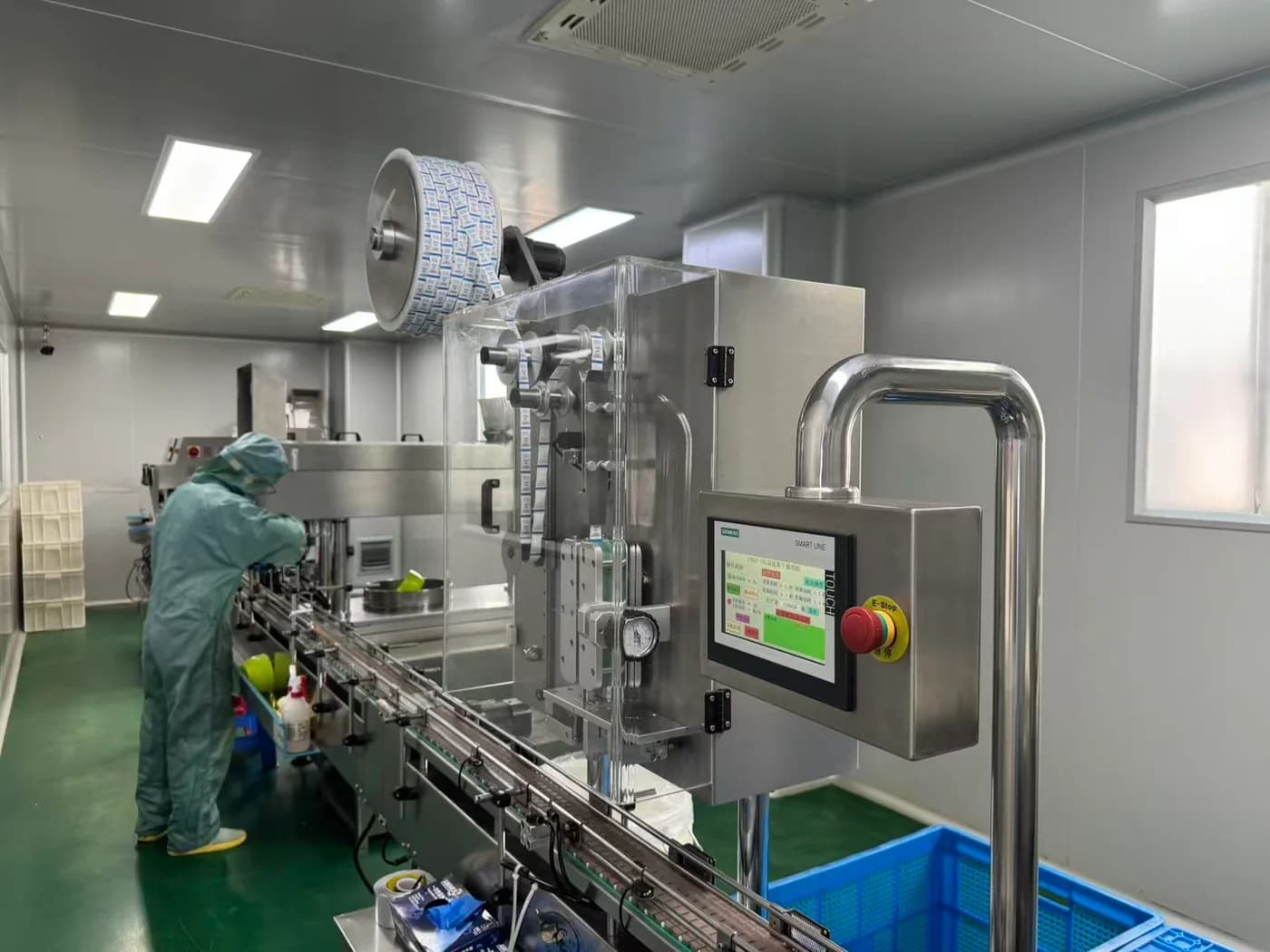
Cheapest Supplement Manufacturers: A Cost Comparison Guide
The lowest quote is rarely the lowest landed cost. This page compares what actually drives price per unit: MOQ, fill weight, capsule versus tablet, certification scope, and freight from Guangdong to your market.
Overview
Buyers searching for the cheapest supplement manufacturers usually get a spreadsheet of quotes with no common baseline. A 500 mg capsule at 1,000 units and a 900 mg tablet at 50,000 units are not comparable line items. This comparison page breaks down the six cost levers that decide your real unit economics, with realistic parameters from a GMP-certified plant in Guangdong: MOQ 1,000 units per SKU, sample lead time 7-10 working days, mass production 20-35 working days.
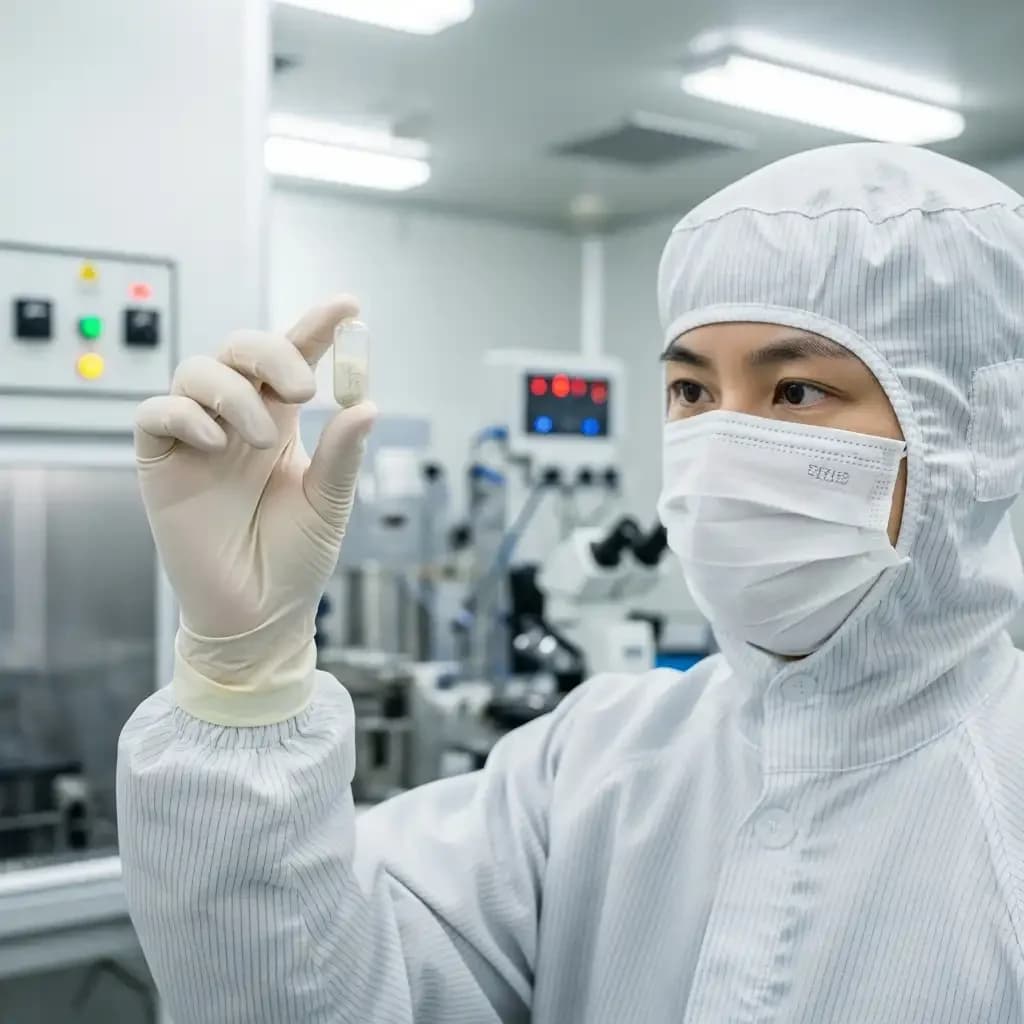
Capability: where unit cost is decided
Cost per unit is set by three things before a single ingredient is weighed: order quantity, dosage form, and fill weight. A 500 mg capsule at 1,000 units carries a higher per-unit tooling and setup share than the same formula at 30,000 units. Tablets are usually the cheapest per unit at scale because compression runs faster than encapsulation, but they need a coating step if the actives are bitter or moisture-sensitive. Softgels sit at the top of the range: the gelatin or vegan shell, drying time, and lower line speed all add cost.
Powders and stick packs invert the logic. The fill is cheap, the packaging is not. A 10 g sachet at 5,000 units often costs more per unit than a 500 mg capsule at the same count, because the sachet film, forming, and sealing steps dominate. If your goal is the lowest realistic cost at 1,000 units, a single-ingredient capsule or a small tablet in a 60-count bottle is the usual answer.
Formulation and ingredient cost drivers
Two quotes for the same label can differ by 40% because of ingredient grade, not manufacturing. Standardised botanical extracts, chelated minerals, and branded raw materials carry a premium over commodity powders. A 500 mg capsule of magnesium oxide costs a fraction of the same fill weight of magnesium glycinate. If the marketing claim depends on the chelated form, the cost difference is real and should be planned for, not negotiated away.
Overages and excipients also move the number. Many actives degrade during a 24-month shelf life, so formulators add 5-20% overage to meet the label claim at expiry. That overage is billed. On the other side, switching from a hard-shell capsule to a smaller tablet, or reducing fill weight from 1,000 mg to 600 mg where the dose allows, can cut material cost per unit without touching the manufacturing fee.
Quality, compliance and landed cost
A cheap ex-works price can become the most expensive option after freight, duty, and testing. GMP, ISO 22000 and HACCP certification at the plant means batch records, raw material COAs, and finished-product testing are already in place. If you sell into the EU, the Middle East, or North America, halal, organic, or vegan certification may be a market requirement, not an upsell. Each adds audit and documentation cost, so confirm which ones your channel actually needs.
Freight is the other hidden line. Air freight from Guangdong to the US or EU can add more per unit than the manufacturing fee on small orders. Sea freight is cheaper but adds 25-40 days. For a 1,000-unit pilot, air is often justified; for 50,000 units, sea changes the landed cost materially. Ask every supplier for an ex-works and a landed estimate before comparing quotes.
Quality control and batch documentation at cheapest supplement manufacturers
Every batch at a GMP-certified plant is sampled at three points: incoming raw material, in-process blend, and finished goods. Identity testing uses FTIR or HPLC against a reference standard; potency is assayed by HPLC or GC depending on the actives. Microbial testing covers total aerobic count, yeast and mould, E. coli and Salmonella, with results available within 5-7 working days. Heavy metals (lead, arsenic, cadmium, mercury) are tested by ICP-MS, and disintegration is checked to USP <2040> or the relevant pharmacopoeial method. A batch is released only when all results fall within specification.
The certificate of analysis (COA) issued with each batch lists the product name, lot number, manufacture and expiry dates, and the specification and result for every test performed. It also names the testing laboratory and the release signature. Buyers sourcing from cheapest supplement manufacturers should confirm that the COA is batch-specific rather than a generic template, and that it references the same lot code printed on the bottles. Retention samples of every batch are held for at least one year past expiry, so a query raised 18 months after delivery can still be checked against the original material.
Stability follows a standard protocol: accelerated conditions at 40°C and 75% relative humidity for 3 and 6 months, plus real-time data at 25°C and 60% relative humidity for the declared shelf life, typically 24 months for capsules and tablets. If your formula contains probiotics, softgels or gummies, the protocol is adjusted and the overage is set so the label claim holds at end of shelf life, not just at release. This is one reason a gummy quote can sit 15-25% above a capsule quote for the same active.
Documentation extends beyond the COA. A master batch record, executed batch record, deviation log and cleaning verification record are kept on file and are available for audit. If you sell into the EU or UK, you will also need a free-sale certificate and, for certain herbal ingredients, a phytosanitary certificate. None of this adds a line item to your quote, but it is the difference between a supplier that can support a retail audit and one that cannot.
Packaging, Labelling and Retail Readiness
Primary packaging options include HDPE bottles (60, 90, 120, 180 and 240 cc), glass bottles for premium lines, blister packs for tablets and capsules, stick packs for powders, and sachets from 5 g to 30 g. Bottles are induction-sealed and fitted with child-resistant or standard caps depending on market. Labels can be supplied by you or printed in-house; in-house digital or flexo printing typically adds 0.03-0.08 USD per unit at 5,000 units, and the artwork proof is approved before the run starts.
For the US market, the label must carry the statement of identity, net quantity of contents, supplement facts panel with serving size and per-serving amounts, other ingredients list, and the name and place of business of the manufacturer or distributor. Allergen declarations follow FALCPA. Lot code and best-by date are inkjet-printed on the bottle and the carton, with the format agreed at artwork stage. Amazon sellers should plan for FNSKU labels applied over the barcode or a separate FNSKU sticker, and for a carton label showing case pack, dimensions and weight.
Cartons are specified to survive retail distribution: typical corrugated is 5-ply for export, with a maximum gross weight of 15-20 kg per carton. Pallet configuration is agreed per SKU, usually 1,200 x 1,000 mm or 1,200 x 800 mm, with stretch wrap and edge boards. If you ship to a 3PL in the US or EU, ask for the carton dimensions, pallet count and total gross weight in advance so the receiving appointment and storage costs can be planned. These details are part of the quote, not an afterthought.
Retail readiness also means the artwork matches the claim. Structure-function claims, dosage instructions and warnings must be consistent with the formula and the destination market. A label that works for the US may need adjustment for the EU, where nutrition and health claims are regulated under EC 1924/2006. Cheapest supplement manufacturers will print what you approve, so the review responsibility sits with you and your regulatory consultant; a good supplier will flag obvious mismatches before printing rather than after.
MOQ, lead times and delivery from cheapest supplement manufacturers
The timeline starts with the sample. After formula and artwork are agreed, samples are produced in 7-10 working days and shipped by courier, usually 3-5 days to the US or EU. Sample cost is typically credited against the first mass-production order. Once you approve the sample and place the PO with deposit, mass production runs 20-35 working days depending on dosage form and packaging; capsules and tablets sit at the lower end, gummies and stick packs at the upper end because of additional drying and filling steps.
Shipping is quoted separately from production. Air freight takes 5-10 days door to door and suits launches and replenishment; sea freight takes 25-40 days port to port and is the lower-cost option above roughly 500 kg. Incoterms are agreed per order: EXW leaves the plant in Guangdong, FOB covers export clearance and loading at the named port, and DDP delivers to your door with duties and taxes paid. DDP is convenient for first orders but usually carries a margin, so compare it against FOB plus your own forwarder.
The document pack issued with every shipment includes the commercial invoice, packing list, bill of lading or air waybill, batch-specific COA, material safety data sheet where relevant, and a free-sale certificate. For plant-based ingredients, a phytosanitary certificate can be arranged on request. Certificates of origin are available for markets that require them. Keep the COA and lot code on file: if a customer or regulator asks about a specific bottle, that is the record that answers the question.
Payment terms are typically 30% deposit with the balance against the pre-shipment inspection report or the bill of lading, and the balance is not released until the goods are ready. For repeat orders, 50/50 or net 30 terms can be discussed after three completed shipments. Cheapest supplement manufacturers compete on unit price, but the real comparison is landed cost per unit at your door, including freight, duty, and the cost of any rework caused by a label or documentation error.
Packaging and Format Choices
Low-MOQ pilot runs
1,000 units per SKU. Higher per-unit cost, lower cash exposure. Best for validating a formula and a sales channel before committing to a full container.
Standard retail bottling
10,000-50,000 units per SKU in 60-120 count bottles. Setup and tooling spread across more units. The usual sweet spot for established DTC and retail brands.
Bulk powder and capsules
5-25 kg drums of powder or loose capsules. Lowest cost per gram, but you handle filling, labelling, and any repackaging regulatory work in your own market.
Private label stock formulas
Existing formulas with your label. No formulation or stability cost, shortest timeline, but limited differentiation and shared specs with other brands.
From Brief to Batch
- 01
Fix the spec first
Write down dosage form, fill weight, actives and overage, bottle size, label, and certification needs. Send the same spec to every supplier. Quotes that answer different questions cannot be ranked.
- 02
Ask for ex-works and landed
Request both figures. Ex-works shows the manufacturing cost. Landed includes freight, duty, and any testing. The gap between them is often larger than the gap between suppliers.
- 03
Request a sample batch
A 7-10 working day sample confirms taste, capsule size, and label fit before you commit. Sample fees are usually credited against the first production order.
- 04
Check certification scope
GMP, ISO 9001, ISO 22000, HACCP, NSF/ANSI 455-2 and halal certification; FDA facility registration for US-bound shipments.
- 05
Confirm lead time in writing
Mass production runs 20-35 working days after PO and deposit for most capsule and tablet orders. Get that window in the contract, with a stated trigger date.
- 06
Model the 12-month cost
Multiply unit cost by forecast volume, add freight and duty, then add the cost of a stockout. The cheapest quote often loses on the last line.
Why EUPHM
Transparent cost structure
Quotes separate ingredient, manufacturing, packaging, and certification cost. You see which lever to pull instead of negotiating a single blended number.
Pilot-friendly MOQ
1,000 units per SKU for retail bottling, with lower thresholds for pilot runs. Test the market before committing to a full production scale.
Certified and audited
GMP, ISO 9001, ISO 22000, HACCP, NSF/ANSI 455-2 and halal certification; FDA facility registration for US-bound shipments.
Questions buyers ask.
What is the real MOQ for the cheapest supplement manufacturing?+
For retail bottling, expect 1,000 units per SKU at most GMP plants. Below that, setup and tooling are spread over too few units and per-unit cost rises sharply. Some plants accept 1,000-unit pilot runs at a premium. If a quote claims 500 units with no premium, check whether the price includes label printing, testing, and certification.
Why do two quotes for the same formula differ so much?+
Usually ingredient grade, overage, and what is excluded. One quote may use a commodity extract and no overage; another uses a standardised extract with 10% overage to meet the label at expiry. Freight, duty, and testing are often left out of the lower quote. Compare ex-works and landed figures on an identical spec.
How long does production take after I order?+
Sample lead time is 7-10 working days. Mass production runs 20-35 working days after PO and deposit for capsules, tablets, and powders. Add 25-40 days for sea freight to the US or EU, or 5-10 days by air. Certification-specific testing, such as organic or halal, can add a further 5-10 working days.
Do certifications add cost, and which ones do I need?+
GMP, ISO 22000, and HACCP are baseline and should not be a line item. halal and vegan certifications are product-specific and add audit and documentation cost. If you sell in the Middle East, halal is typically required. For EU organic claims, the organic certificate must cover the finished product, not just the raw material.
Is the cheapest quote always the lowest landed cost?+
No. On a 1,000-unit order, air freight from Guangdong can add more per unit than the manufacturing fee. A higher ex-works quote with a plant closer to your market, or with certification you would otherwise pay for separately, can land cheaper. Always model unit cost plus freight, duty, testing, and the cost of a stockout over 12 months.
Can I get a sample before committing to a full production run?+
Yes. After formula and artwork are agreed, samples are produced in 7-10 working days and shipped by courier, typically 3-5 days to the US or EU. Sample cost is usually credited against the first mass-production order. You should approve the sample in writing, including label proof, before the PO is placed, because changes after that point can affect the production window and the unit price.
What payment terms do supplement manufacturers in China usually offer?+
The standard is 30% deposit with the balance against the pre-shipment inspection report or the bill of lading. Some suppliers offer 50/50 or net 30 terms after three completed shipments. Payment is usually by T/T; L/C at sight is possible for larger orders. Confirm the currency, bank charges and whether the deposit is refundable if the sample is rejected before you sign.
How do you handle a batch that fails a specification?+
A failed batch is placed on hold and not released. The deviation is logged, the cause investigated, and the batch is either reworked within the approved process or rejected. You are notified before any replacement is scheduled. Retention samples from the original batch are kept so the failure can be verified independently. The COA for the replacement batch is issued only after all tests pass.
Have a product in mind?
Send us the brief and we will come back with a formulation direction, indicative price and a realistic lead time — usually within one working day.