How to Negotiate a Supplement MOQ (Without Lying to Your Supplier)
A minimum order is not a sales tactic — it is the point where a factory stops losing money on setup, cleaning, yield loss and QC. Negotiate the components, not the number, and 1,000…

This hub collects the numbers brand owners ask for first: MOQs from 1,000 units, 7-10 day samples, 20-35 day production, and GMP, ISO 22000 and HACCP certificates. Use it to scope a project before you request a quote.

Most sourcing delays come from missing information, not price. This Business Resource Hub groups the operational detail behind supplement manufacturing so procurement teams can compare suppliers on the same terms. It sits under /resources alongside formulation notes, packaging specs and compliance documents. Each page states real plant parameters: fill weights, capsule sizes, line capacity, deposit terms and audit scope. No approvals are implied beyond what certificates show. Read the section you need, then send a brief with your target SKU, volume and market.
| Minimum order quantity | 1,000 units per SKU for retail bottling; lower for pilot runs |
|---|---|
| Sample lead time | 7-10 working days from approved formula and packaging |
| Mass production | 20-35 working days after deposit and artwork sign-off |
| Certifications | GMP, ISO 9001, ISO 22000, HACCP, NSF/ANSI 455-2, halal, FDA-registered |
| Dosage forms | Capsules, tablets, softgels, powders, gummies, liquids |
| Facility status | FDA-registered facility in Guangdong, China; audit reports available under NDA |
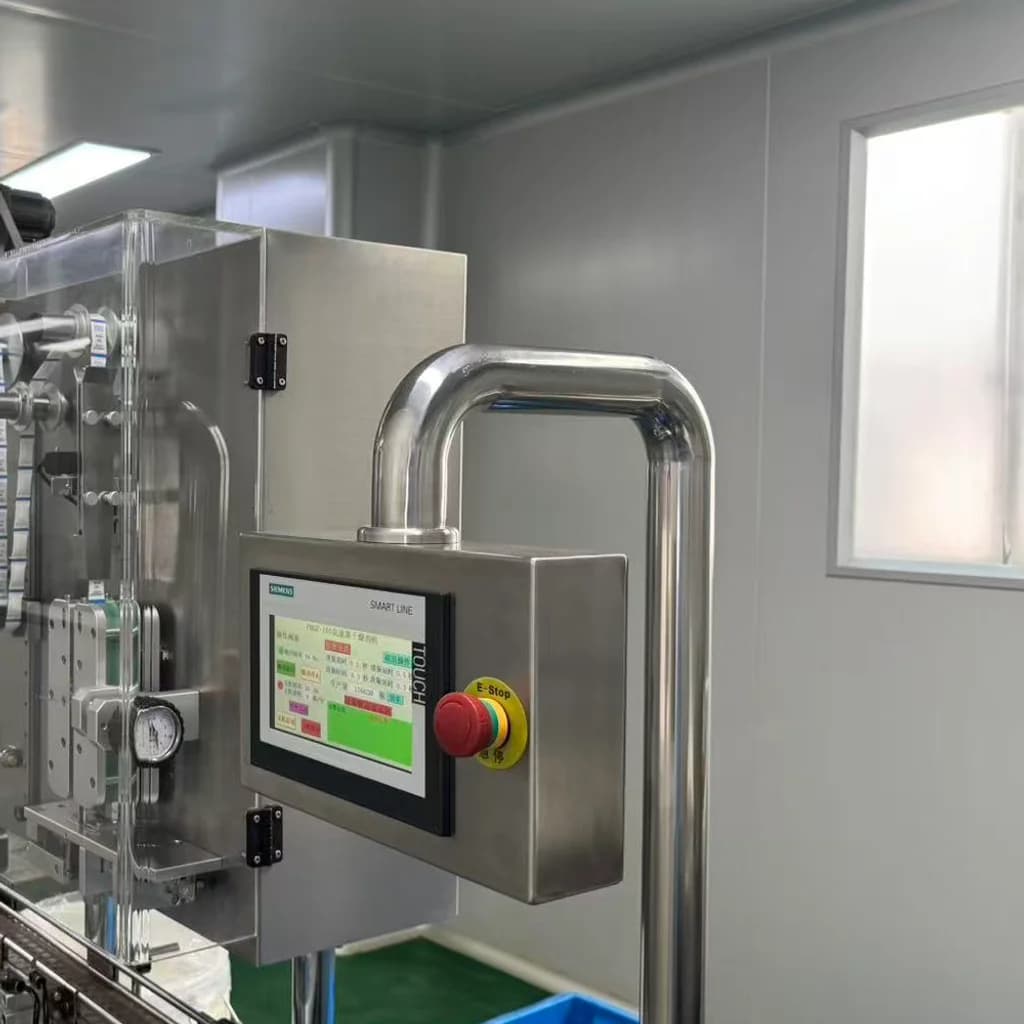
The Guangdong site runs separate lines for capsules, tablets, softgels, powders, gummies and liquids. Capsule filling handles sizes 0 to 3 at 60,000 to 120,000 units per shift. Tablet compression reaches 200,000 tablets per shift on a single rotary press. Powder filling covers 5 g to 500 g jars and sachets. Gummy depositing runs 2 g to 5 g pieces. Changeover between SKUs takes 4 to 8 hours including cleaning verification. That matters when you plan three flavours or two dosages in one purchase order.
Capacity is released in weekly slots. A 5,000-unit retail run typically books one to two slots; a 50,000-unit run books four to six. Pilot runs below 1,000 units are scheduled around larger campaigns and quoted separately. If your launch date is fixed, share it with the brief. We confirm line availability before you pay for samples, so the sample and production windows do not collide with peak season for gummies and softgels.
Formulation starts from your label or a target profile. We check each active against permitted levels in the destination market, then confirm overage needs. Vitamin C at 500 mg, magnesium stearate at 1-2%, silicon dioxide at 0.5-1% and gelatin or HPMC capsule shells are routine. Botanical extracts are standardised to a marker compound, for example 10:1 or 4:1 ratios, with a certificate of analysis per lot. Flavour systems for gummies use natural or nature-identical sources; pectin and gelatin bases are both available.
Ingredient sourcing follows a two-supplier rule for every critical material. Documentation includes COA, MSDS, allergen statement, non-GMO statement and country of origin. For organic claims inputs must be tracked from purchase to batch record. If you want a vegan claim, we swap gelatin for HPMC and remove carmine, shellac and beeswax. Lead times for novel ingredients can add 10-15 days, so confirm availability before finalising the formula.
Quality control runs at three points: incoming raw materials, in-process checks and finished goods. Each batch gets an internal COA covering identity, potency, microbials, heavy metals and disintegration. Third-party lab testing is available for an extra fee and adds 5-7 working days. Retention samples are kept for two years. The plant holds GMP, ISO 22000 and HACCP certificates. Halal certificates apply to specific lines, so confirm the line before booking. The facility is FDA-registered, which supports US market entry but is not an approval of any product.
Shipping from Guangdong covers air, sea and express. Air freight to the US takes 5-8 days; sea freight to Rotterdam or Los Angeles takes 18-28 days. We handle export documents, commercial invoice, packing list, certificate of origin and health certificate. Incoterms are usually FOB Shenzhen or CIF. Carton dimensions and pallet counts are confirmed before production ends so your freight forwarder can book space without delay.
Every batch is tested at three points: incoming raw materials, in-process blend or fill, and finished goods. Identity testing uses FTIR or HPLC against a reference standard. Potency assays quantify active markers, for example 95% curcuminoids or 10% ginsenosides. Microbial testing covers total aerobic count, yeast and mould, E. coli and Salmonella. Heavy metals are screened against USP <232> limits, typically lead under 0.5 ppm for finished capsules. Disintegration testing follows USP <701> for tablets and capsules, with a 30-minute limit for most immediate-release forms.
A Certificate of Analysis (COA) accompanies each batch and lists the test parameter, specification range, result and method reference. It also states the batch number, manufacturing date, expiry date and quantity released. Retention samples of every batch are stored for two years beyond expiry under controlled temperature and humidity. Stability protocols run at 25°C/60% RH and 40°C/75% RH for accelerated conditions, with pull points at 0, 3, 6, 12 and 24 months. These data support shelf-life claims on the label.
Deviations and out-of-specification results are logged in a batch record that is reviewed by QA before release. The plant operates under GMP and ISO 22000, and audit reports are available under NDA. If a buyer requires third-party verification, we can send samples to an external laboratory at cost. The COA is issued in English and can be translated into the buyer's language on request. No batch leaves the facility without a signed release by the quality manager.
For products with organic, halal claims, additional documentation is maintained. Organic inputs are traced to supplier certificates, and halal status is confirmed by periodic audits from the relevant certification bodies. These records are kept for five years and are available for inspection during a buyer audit. The aim is to give procurement teams a clear paper trail from raw material lot to finished carton.
Primary packaging options include high-density polyethylene (HDPE) bottles from 60 ml to 500 ml, blister packs with aluminium foil, stick packs and sachets. Bottles can be supplied with induction seals, child-resistant closures or standard screw caps. For gummies, wide-mouth PET jars are common. Softgels and tablets can be blister-packed in PVC/PVDC or alu-alu for moisture protection. We keep a library of stock bottle moulds to avoid tooling costs, and custom moulds are available at additional cost and lead time.
Labels must include the statement of identity, net quantity, supplement facts panel, ingredient list, allergen declarations, and the name and place of business of the manufacturer or distributor. For the US market, the FDA requires the phrase 'Dietary Supplement' and a supplement facts panel in a specific format. Lot codes and expiry dates are printed on the bottle and carton using inkjet or laser coding. Expiry is typically set at 24 months from the date of manufacture, supported by stability data.
Cartons are specified with corrugated board strength, for example 32 ECT or 44 ECT, and pallet configurations are designed to maximise container fill. Standard pallets are 1200 x 1000 mm or 48 x 40 inches, with stretch-wrap and edge protectors. For Amazon FNSKU labelling, we can apply the FNSKU barcode and poly-bag the units according to Amazon's requirements. Retail-ready packaging such as shelf-ready trays or display cartons can be arranged if the buyer provides artwork.
Artwork proofing is done through a digital workflow with two rounds of revisions included. We check for legibility, barcode scannability and regulatory statements before printing. Printing methods include pressure-sensitive labels, shrink sleeves and direct printing on bottles. Lead time for packaging materials is typically 15 to 20 working days after artwork approval, and this is factored into the overall production schedule.
Sample lead time is 7 to 10 working days from an approved formula and packaging specification. Samples are provided free of charge for standard formulations, with the buyer covering courier costs. For custom formulations, a development fee may apply, which is credited against the first production order. Mass production takes 20 to 35 working days after deposit and artwork sign-off. This window includes material procurement, production, quality testing and packing. Delays can occur if artwork approval or raw material delivery is late.
Shipping options are air freight, sea freight and express courier. Air freight takes 5 to 10 days door-to-door for most destinations, while sea freight takes 25 to 40 days depending on the port. We work with freight forwarders to arrange EXW, FOB or DDP terms. Under EXW, the buyer collects from our factory in Guangdong. FOB is typically from Shenzhen or Hong Kong. DDP means we handle customs clearance and delivery to the buyer's door, with duties and taxes paid by the buyer or included as agreed.
Documentation provided with each shipment includes the commercial invoice, packing list, bill of lading or airway bill, Certificate of Analysis, Material Safety Data Sheet (MSDS) where applicable, and a free-sale certificate. For plant-based products, a phytosanitary certificate can be arranged if the destination country requires it. Certificates of origin can be issued for countries with trade agreements. We do not provide guarantees of customs clearance, as this depends on the importing country's regulations.
Payment terms are typically 30% deposit with the balance against the bill of lading copy, though this can be negotiated for repeat orders. We accept bank transfer (T/T) and, for some markets, letters of credit. Currency is usually US dollars. For buyers needing to manage inventory, we can discuss scheduled deliveries or hold finished goods at the factory for up to 30 days at no extra cost, provided storage conditions are met.
Templates for actives, overage, flavour and dosage form. Includes a compatibility checklist for capsules, tablets and gummies.
Certificate summaries, audit scope, allergen and origin statements. Updated as certificates renew.
Bottle, jar, sachet and stick-pack dimensions with fill weights and label panel sizes.
Production windows, freight options and document checklists for US, EU, UK and Middle East routes.
Write the dosage form, fill weight, actives and target market. This sets the line and the compliance path.
Compare your first order volume against 1,000 units per SKU. Adjust pack count or run a pilot.
Download certificate summaries and spec templates from /resources. Share with your QA team early.
Send the formula and artwork. Samples ship in 7-10 working days from approval.
Book production 20-35 working days ahead. Peak gummy and softgel months fill first.
Sign off the pre-production sample, pay the balance, and release the batch to your forwarder.
MOQs, lead times and fill weights are stated up front, so first calls focus on fit rather than basics.
Certificates, allergen statements and origin documents sit in one place under /resources.
Lower minimums for pilot runs let you test a formula before committing to a 5,000-unit retail batch.
1,000 units per SKU for standard retail bottling. Pilot runs below that are possible but quoted separately and scheduled around larger campaigns. If you plan two flavours or two dosages, treat each as a separate SKU for MOQ purposes.
7 to 10 working days from approved formula and packaging. If a novel ingredient needs sourcing, add 10 to 15 days. Sample cost is credited against the first production order in most cases.
GMP, ISO 22000 and HACCP. Halal and vegan claims are available where the line and inputs qualify. Certificates are shared under NDA. The facility is FDA-registered, which supports US entry but is not a product approval.
Yes. Send the label or quantitative formula. We check actives against destination-market limits, confirm overage and excipient compatibility, then quote. A reverse-engineering fee may apply if the formula is not fully disclosed.
Typically 30% deposit on order, 70% before shipment. Letters of credit are accepted for orders above 50,000 units. Terms are confirmed in the proforma invoice before production starts.
Shelf life is typically 24 months from the date of manufacture, based on real-time and accelerated stability studies. We test at 25°C/60% RH and 40°C/75% RH, with pull points at 0, 3, 6, 12 and 24 months. The expiry date is printed on the label and carton. For products with shorter stability, such as probiotics, we may recommend a shorter shelf life or specific storage conditions.
Yes, a batch-specific Certificate of Analysis is issued for every production run. It includes test parameters, specifications, results and methods for identity, potency, microbials, heavy metals and disintegration. The COA also states batch number, manufacturing date, expiry date and quantity released. It is provided as a PDF and can be translated if needed. Retention samples are kept for two years beyond expiry.
We offer two rounds of artwork revisions with digital proofs. Our team checks for legibility, barcode scannability and required regulatory statements such as supplement facts and allergen declarations. We do not provide legal advice, but we can flag common issues. Final responsibility for label compliance rests with the buyer. Printing methods include pressure-sensitive labels, shrink sleeves and direct printing.

A minimum order is not a sales tactic — it is the point where a factory stops losing money on setup, cleaning, yield loss and QC. Negotiate the components, not the number, and 1,000…

The ex-works price is roughly half the story. Samples, tooling, artwork, testing, documents, freight, duty and receiving add a fixed block that does not shrink with order size…

Pricing a supplement starts with landed cost, not competitor guesswork. Build the number from formula, packaging, fill weight, MOQ and freight. Then add your margin and channel…

Selling supplements across borders means meeting different rules for notification, labelling, and ingredient limits. This guide covers the EU, US, UK, and Middle East, with…

Supplement manufacturing cost depends on formula, dose, packaging and order volume. At MOQ 1,000 units per SKU, most capsules and tablets land between $0.80 and $3.50 per unit…

Launching a supplement brand starts with product format, formula, and a manufacturing partner that can scale. This guide covers MOQs, lead times, certifications, and the steps to…
Send us the brief and we will come back with a formulation direction, indicative price and a realistic lead time — usually within one working day.