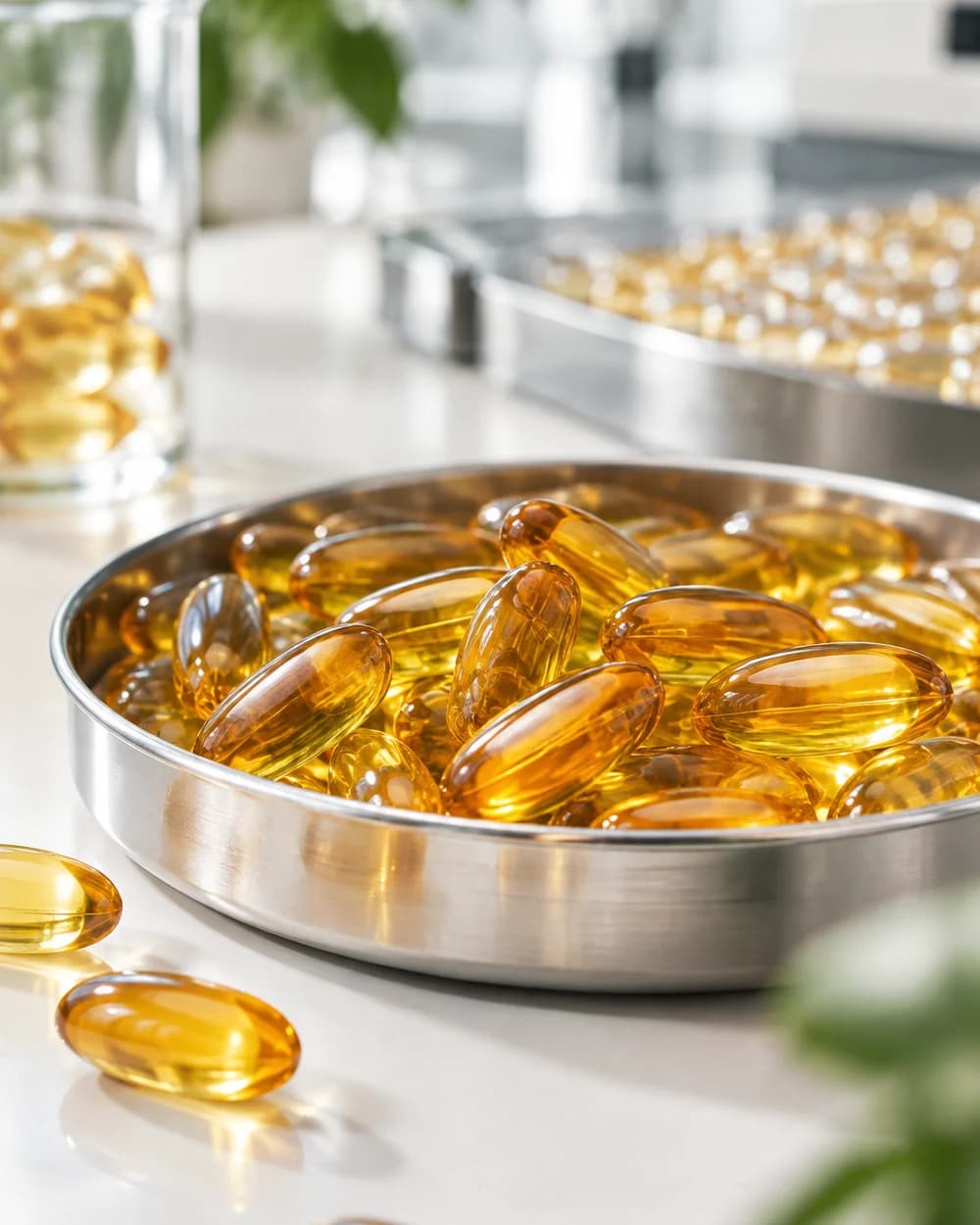
Zeaxanthin Softgel Manufacturer for Eye Health Brands
EUPHM produces zeaxanthin softgels in a GMP-certified facility in Guangdong. We handle 1,000 unit MOQs, 7–10 day samples, and 20–35 day mass production for brands in the US, EU, UK and Middle East.
Overview
Zeaxanthin is a carotenoid used in eye health formulas, often paired with lutein. Its oil-soluble nature makes softgels a practical dose form: the fill protects the active and delivers a consistent 2 mg to 20 mg per capsule. As a contract manufacturer, we produce zeaxanthin softgels from 1,000 units per SKU, with pilot runs below that. Every batch is tested for potency, and we document the full production trail for your regulatory filings.
| MOQ | 1,000 units per SKU; lower for pilot runs |
|---|---|
| Fill weights | 150 mg to 1,200 mg per softgel |
| Zeaxanthin dose | 2 mg to 20 mg per capsule, custom blends available |
| Sample lead time | 7–10 working days |
| Mass production | 20–35 working days after sample approval |
| Certifications | GMP, ISO 9001, ISO 22000, HACCP, NSF/ANSI 455-2, halal, FDA-registered |
Softgel capacity for zeaxanthin runs
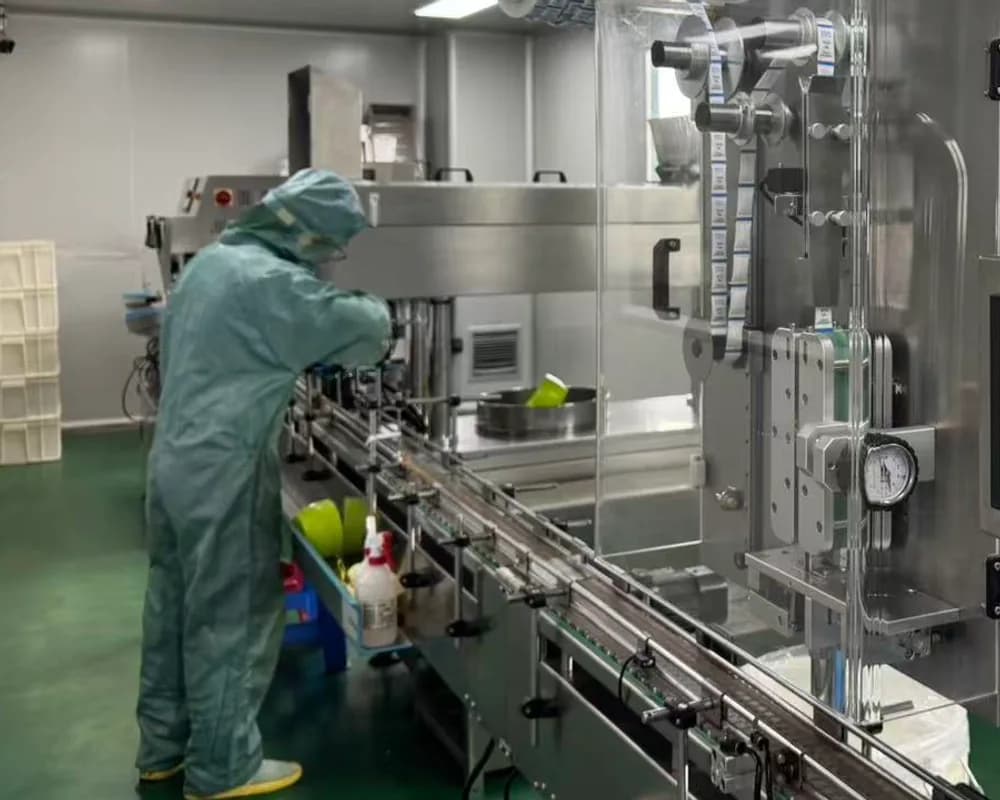
Our Guangdong plant runs multiple softgel lines with a combined output of 1.2 million capsules per day. Zeaxanthin fills are typically oil-based suspensions, so we use stainless steel tanks with nitrogen blanketing to limit oxidation. The encapsulation area is temperature and humidity controlled. For a 1,000-unit pilot run, we schedule a dedicated line slot so your batch is not mixed with other products.
We can produce oblong, oval or round softgels in sizes from 5 to 20 minims. Enteric coating is available if your formula needs delayed release. If you are also sourcing lutein or omega-3 softgels, we can run the same shell and fill specifications across SKUs, which reduces your tooling and artwork costs.
Formulation details for zeaxanthin softgels
Zeaxanthin is usually supplied as a 5% or 10% oil suspension. We blend it with a carrier oil such as sunflower or MCT, then add antioxidants like mixed tocopherols to protect the carotenoid. The fill can include lutein, vitamin E, zinc or bilberry extract. We test the blend for uniformity before encapsulation, then verify fill weight every 30 minutes during the run.
Shell options include gelatin, fish gelatin and vegan HPMC. For halal certification, the shell and any excipients must be approved by the certifying body. We keep a list of pre-approved raw materials. If your formula uses a novel ingredient, we can run a small stability batch first to check compatibility with the shell.
Quality checks and shipping documentation
Every zeaxanthin batch is tested for assay, fill weight, disintegration and microbial limits. We retain samples for 12 months. Our facility is GMP-certified and registered with the FDA for dietary supplements. We are not claiming FDA approval; that does not exist for dietary supplements. We provide a certificate of analysis, a batch record summary and a certificate of origin with each shipment.
For US and EU clients, we prepare documentation for customs and regulatory review, including allergen statements and heavy metal test results. Shipping from Guangdong takes 18–25 days to the US west coast and 22–30 days to EU ports. We can ship FOB or arrange door-to-door delivery through our freight partners.
Zeaxanthin softgel quality control and batch documentation
Each zeaxanthin softgel batch enters a documented QC programme at three points: incoming raw material, in-process fill, and finished goods. We test the zeaxanthin raw material for identity by HPLC against a reference standard, potency, and carotenoid profile. Microbials, heavy metals (lead, cadmium, arsenic, mercury), and residual solvents are tested on the incoming lot and again on the finished softgel. Disintegration testing follows the pharmacopoeial method, with a specification of not more than 30 minutes in purified water at 37°C. Fill weight is checked every 30 minutes during encapsulation, with a tolerance of ±5% of target.
A certificate of analysis (COA) accompanies every batch. It lists the product name, lot number, manufacture and expiry dates, the tests performed, specification limits, results, and the analytical methods used. Potency is reported as mg zeaxanthin per softgel and as a percentage of label claim. Microbial results include total aerobic count, yeast and mould, E. coli, and Salmonella. Heavy metals are reported individually. The COA is signed by the QC manager and dated. We retain a sealed sample of every lot for 24 months after the expiry date, stored under labelled conditions, so a retained sample can be re-tested if a customer raises a stability or identity query.
Stability follows a formal protocol: accelerated conditions at 40°C/75% RH for six months, with testing at 0, 1, 2, 3, and 6 months, and real-time conditions at 25°C/60% RH for the shelf life claimed on the label. Tests at each interval cover potency, appearance, disintegration, microbials, and peroxide value for the oil fill. We provide the stability summary in the technical file. Where a customer needs a specific shelf life, we can run a supportive stability study on the finished softgel in the proposed packaging before commercial production.
Packaging, Labelling and Retail Readiness
Zeaxanthin softgels can be packed in HDPE bottles from 30 to 180 count, blister packs of 10 to 30 per card, stick packs, or single-serve sachets. Bottles are induction-sealed and fitted with a child-resistant closure where the market requires it. For Amazon and retail, we apply the FNSKU barcode label and any required suffocation warning. Cartons are printed with lot number and expiry date in the format agreed at artwork approval. We hold artwork files and issue a PDF proof for sign-off before printing; no packaging run starts without a signed proof.
For the US market, the label must carry the statement of identity, net quantity of contents, supplement facts panel with the zeaxanthin amount per serving, other ingredients list, directions for use, and the manufacturer or distributor name and address. We can supply the supplement facts panel layout based on your formula and serving size, but the label content remains the brand owner's responsibility. Allergen declarations follow the destination market rules. Lot and expiry coding is applied by inkjet or laser, with a check that the code is legible and matches the batch record.
Carton specifications are agreed per SKU: typical dimensions are 300 x 200 x 150 mm for a 60-count bottle carton, with corrugated board grade B or C. Pallets are standard 1200 x 1000 mm or 1200 x 800 mm, stretch-wrapped, with a maximum load height of 1.8 m unless the customer specifies otherwise. We provide a packing list that states carton count, gross and net weight, and pallet configuration. For retail compliance, we can print the GS1 barcode and apply the FNSKU label, but we do not register the product with Amazon; that step stays with the brand owner.
MOQ, Lead Times and Delivery
Sample production for a zeaxanthin softgel runs in 7 to 10 working days from receipt of the signed formula and packaging specification. The sample is a small pilot batch, typically 500 to 1,000 softgels, and includes a COA. If the sample requires a new colour or flavour, add 3 to 5 working days for the matching trial. Mass production starts after written sample approval and runs for 20 to 35 working days, depending on the fill weight, packaging format, and whether the order falls in a peak period. We confirm the production window in the proforma invoice.
Delivery terms are EXW, FOB Shenzhen or Hong Kong, or DDP to the destination address. Air freight is used for samples and urgent orders, with transit of 3 to 7 days to the US or EU. Sea freight is used for full pallet orders, with transit of 25 to 40 days depending on the port. We provide the COA, material safety data sheet (MSDS), and a free-sale certificate on request. Where the destination requires a phytosanitary certificate for plant-derived ingredients, we arrange it through the local inspection authority. The commercial invoice and packing list are issued with the shipping documents.
For DDP shipments, we handle customs clearance and duty payment at destination, and the buyer receives the goods at the named address. For FOB, the buyer nominates the freight forwarder and we deliver to the port within the agreed cut-off. We do not book freight on the buyer's behalf under FOB terms. Lead times for repeat orders are shorter because the formula and artwork are already approved; a repeat order typically moves into production within 10 working days of purchase order and deposit.
Manufacturing Options to Compare
Single-ingredient softgels
Zeaxanthin only, 2 mg to 20 mg per capsule. Ideal for brands that want a simple eye health SKU with a clear label claim.
Zeaxanthin + lutein blend
The most common pairing. We can match a 5:1 or 10:1 ratio and adjust total carotenoid content per softgel.
Vegan HPMC shell
Plant-based shell for vegan and vegetarian labels. Available for most fill weights. Requires a 10–14 day lead time for shell material.
Enteric-coated softgels
Delayed-release coating for formulas that target intestinal absorption. Adds 3–5 days to production and a per-unit cost.
From Enquiry to Delivery
- 01
Send your spec
Share dose per capsule, fill weight, shell type and target quantity. We reply within one working day with a quote and lead time.
- 02
Sample production
We produce 50–200 sample softgels in 7–10 working days. You receive a certificate of analysis and a physical sample for sensory review.
- 03
Sample approval
You confirm the formula, shell and appearance. We lock the specification and send a proforma invoice for the deposit.
- 04
Raw material sourcing
We order zeaxanthin, carrier oil and shell materials from approved suppliers. Incoming materials are quarantined and tested before release.
- 05
Mass production
Production runs in 20–35 working days after sample approval. We share batch records and in-process checks at agreed milestones.
- 06
QC and shipping
Final testing, packaging and labelling. We ship with a certificate of analysis, certificate of origin and commercial invoice.
Why EUPHM
Low MOQ for test runs
Start at 1,000 units per SKU. Pilot runs below that are possible. This lets you test the market before committing to a full container.
Documentation ready
We provide COA, batch records, allergen statements and heavy metal reports. Your regulatory team gets what it needs for US, EU and Middle East filings.
Zeaxanthin experience
We have run multiple carotenoid softgel batches. We know the oxidation risks and the shell compatibility issues that slow down first-time projects.
Questions buyers ask.
What is the MOQ for zeaxanthin softgels?+
Standard MOQ is 1,000 units per SKU. For pilot runs, we can go lower, often 500 to 1,000 units, to let you test the formula and packaging. The exact MOQ depends on fill weight and shell type.
How long does sample production take?+
Sample lead time is 7 to 10 working days after we receive your specification and raw materials. You get 50 to 200 softgels, a certificate of analysis and a physical sample for review. Shipping the sample takes 3 to 5 days by courier.
Can you make vegan zeaxanthin softgels?+
Yes. We use HPMC or modified starch shells for vegan and vegetarian labels. Vegan shells add 10 to 14 days to the lead time because we source the shell material per order. The fill itself is already plant-based for standard zeaxanthin oil suspensions.
What certifications does your facility hold?+
The plant is GMP-certified and holds ISO 22000 and HACCP. We also arrange halal and certification for specific products when the raw materials qualify. We are an FDA-registered facility for dietary supplements, not an FDA-approved one.
Do you ship to the US and EU?+
Yes. We ship from Guangdong to US west coast ports in 18 to 25 days and to EU ports in 22 to 30 days. We handle FOB shipments and can arrange door-to-door delivery through freight partners. All shipments include a certificate of analysis and certificate of origin.
What is the shelf life of your zeaxanthin softgels?+
Shelf life is set by the stability protocol and is typically 24 months from the date of manufacture when stored below 25°C in the original sealed container. The label expiry date is calculated from the batch manufacture date. If your market requires a shorter or longer shelf life, we can run a supportive stability study in the proposed packaging before commercial production.
Can you supply zeaxanthin softgels in blister packs instead of bottles?+
Yes. We can pack zeaxanthin softgels in blister packs of 10 to 30 per card, using PVC/PVDC or alu-alu material. Blister packing adds 3 to 5 working days to the production window and has a higher unit cost than bottles. We provide a packaging specification and a proof for sign-off before the blister run starts.
Do you provide a free-sale certificate for export?+
Yes, we provide a free-sale certificate on request for the destination country. The certificate states that the product is manufactured in a GMP-certified facility and is freely sold in China. Processing time is 5 to 7 working days. For markets that require a phytosanitary certificate for plant-derived ingredients, we arrange it through the local inspection authority.
Have a product in mind?
Send us the brief and we will come back with a formulation direction, indicative price and a realistic lead time — usually within one working day.