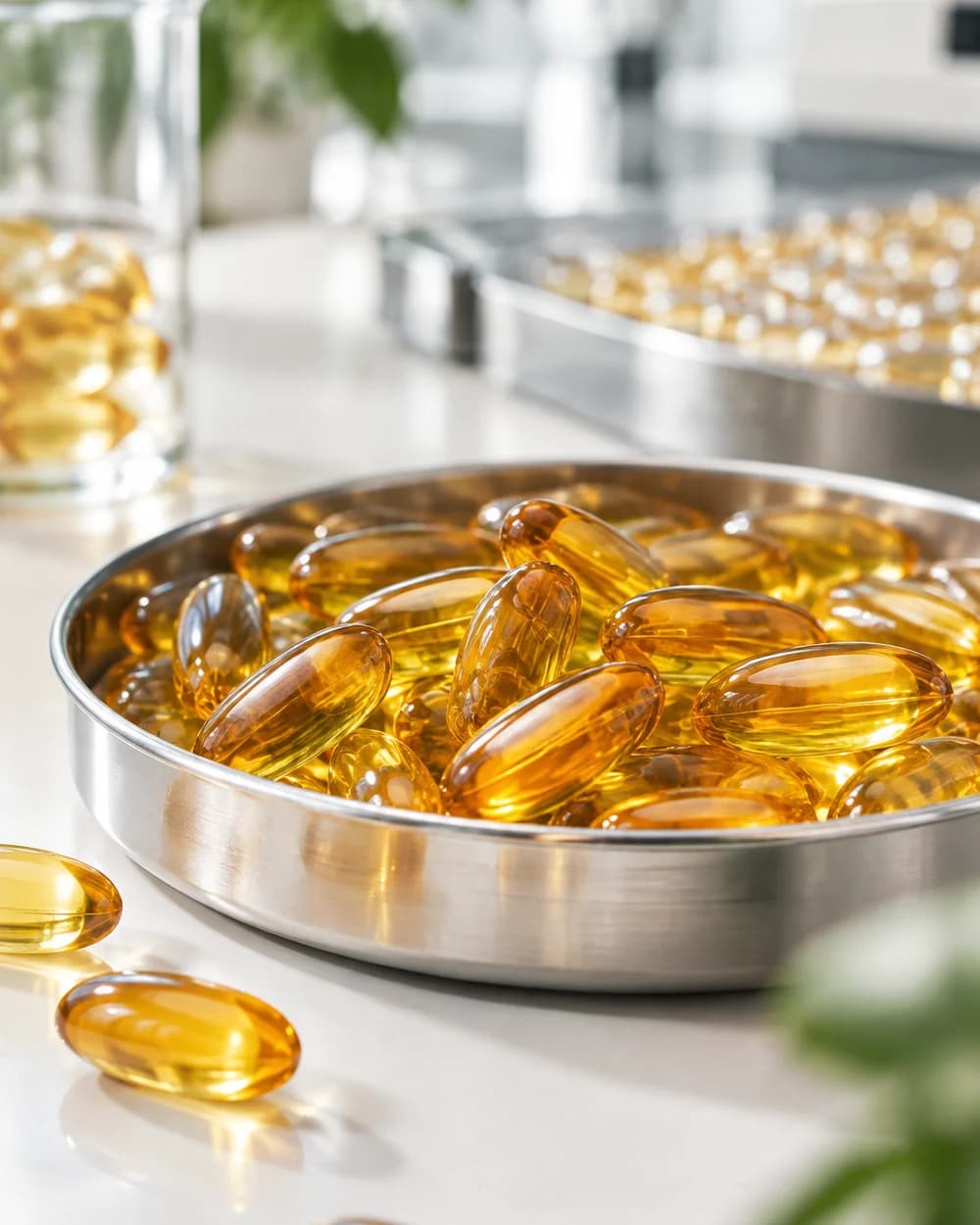
Prostate Softgel Manufacturer for Retail and Private Label
Prostate softgels combine oil-soluble actives such as saw palmetto CO2 extract, lycopene and vitamin D3 in one dose. EUPHM fills these formulas on GMP-certified softgel lines in Guangdong, with MOQ from 1,000 units per SKU.
Overview
Softgels suit prostate formulas because the active ingredients are mostly lipophilic. Saw palmetto extract, pumpkin seed oil, lycopene and vitamin E disperse in the oil phase, so a single oblong softgel can carry a 320 mg saw palmetto dose plus 15 mg zinc and 5 mg lycopene without the tablet compression issues that cause separation. EUPHM produces prostate softgels for brand owners and procurement teams across the US, EU, UK and Middle East, from pilot batches through to 20-35 working day mass production runs.
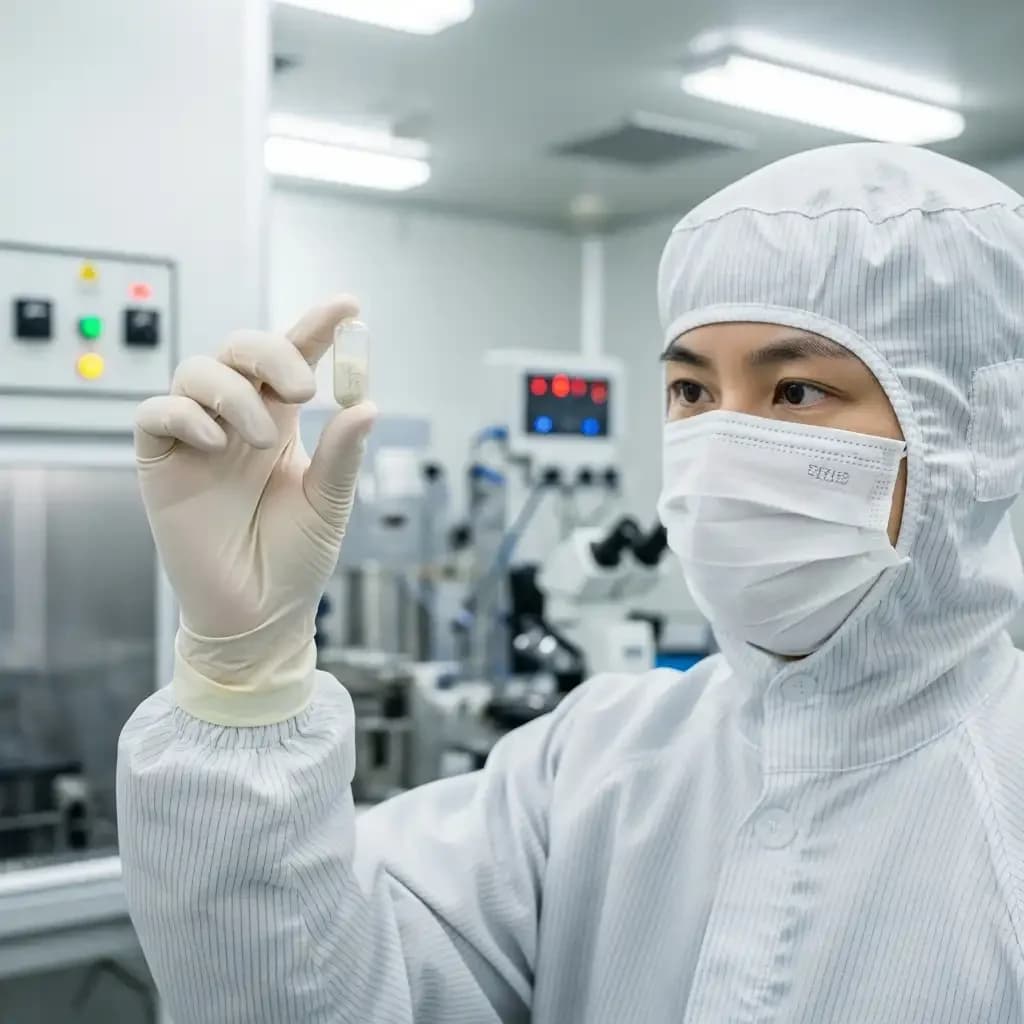
Softgel Capability for Prostate Formulas
EUPHM runs softgel lines with rotary die encapsulation, which handles oil suspensions and self-emulsifying systems. For prostate products, the typical fill is saw palmetto CO2 extract at 160 mg or 320 mg, pumpkin seed oil at 500 mg, lycopene at 5-15 mg, and zinc or selenium in oil-dispersible form. Fill weights from 500 mg to 1,500 mg are available, and we can adjust the gelatin shell to a vegan HPMC shell where the market requires it. Batch sizes start at 1,000 units per SKU for retail bottling.
The softgel format also removes the need for binders, glidants and coatings. That keeps the label shorter and reduces the risk of ingredient interactions during compression. For brands selling into the EU, the UK or the Middle East, we can match country-specific label claims and restricted-ingredient lists during formulation review, before samples are produced.
Formulation Detail: Actives and Dose Ranges
A prostate softgel usually combines two or three actives. Saw palmetto extract is standardised to 85-95% fatty acids and sterols, and is dosed at 160 mg or 320 mg per softgel. Lycopene from tomato extract is oil-soluble and is typically dosed at 5-15 mg. Zinc is included at 5-15 mg, often as zinc oxide or zinc citrate dispersed in the oil phase. Vitamin D3 and vitamin E are added at 10-25 mcg and 10-30 IU respectively. Pumpkin seed oil is used at 500-1,000 mg when it is the primary carrier oil.
We can also build combination formulas with nettle root extract, pygeum or boron. Because these actives have different solubility profiles, the formulation team confirms carrier oil, emulsifier and antioxidant levels before the first sample batch. Stability testing at 40°C and 75% RH runs alongside the sample stage, so the softgel that reaches your warehouse performs the same as the one approved in the lab.
Quality, Compliance and Logistics
EUPHM operates a GMP-certified facility with ISO 22000 and HACCP systems. Incoming raw materials are tested for identity, potency and heavy metals. Each prostate softgel batch is tested for fill weight, disintegration, peroxide value and microbiological limits. Certificates of analysis are issued per batch. For halal or vegan claims, we source certified raw materials and keep the relevant documentation on file for your QA team.
Shipping is arranged from Guangdong to the US, EU, UK and Middle East. We provide commercial invoices, packing lists, certificates of origin and, where required, health certificates for customs clearance. Mass production takes 20-35 working days after PO and artwork sign-off. For repeat orders, we hold approved formulations and artwork on file so reorders skip the sample stage and move straight to production scheduling.
Packaging, Labelling and Retail Readiness
Prostate softgels can be packed in HDPE bottles (30, 60, 90 or 120 counts), blister packs (10 or 12 per card), stick packs or sachets. Bottles are induction-sealed and can include a desiccant canister. Labelling follows the destination market. For the US, the FDA dietary supplement label requires a supplement facts panel with serving size, amount per serving, percent daily value where established, and a list of other ingredients. Allergen statements, storage conditions and a ‘keep out of reach of children’ warning are included where applicable. Lot and expiry codes are inkjet-printed on the bottle, carton and shipper.
Cartons are specified with dimensions, board grade and print process (offset or digital). Pallet configurations are provided for each SKU, including cartons per layer, layers per pallet and total cartons per pallet, with a standard 1,200 x 1,000 mm pallet or as required. For Amazon FNSKU and retail compliance, we can apply FNSKU labels, poly-bag units, and provide pack-out data. We do not manage Amazon seller accounts, but we prepare shipments to meet FBA requirements when instructed.
MOQ, Lead Times and Delivery
Sampling starts with a formulation brief and target dose. Sample lead time is 7-10 working days for standard formulations, including softgel samples and a draft COA. Mass production takes 20-35 working days after purchase order and artwork sign-off. MOQ is 1,000 units per SKU for retail bottling and 1,000 units for pilot runs. For new dies or custom shapes, add 10-15 working days for tooling.
Shipping options include air freight (5-10 days door-to-door) and sea freight (25-40 days port-to-port). Incoterms offered are EXW, FOB and DDP. DDP is available for the US, EU, UK and Middle East, with duties and taxes handled by our freight partners. Documents provided with each shipment include COA, MSDS, free-sale certificate, and phytosanitary certificate where relevant. Commercial invoice, packing list and bill of lading or airway bill are issued as standard.
Batch Testing, COAs and Retention Samples
Every prostate softgel batch is tested against a written specification before release. Incoming saw palmetto extract is assayed for fatty acid content (typically 85-95%), pumpkin seed oil for peroxide value and linoleic acid, lycopene for total carotenoids, and zinc for elemental content. Identity is confirmed by FTIR or HPLC fingerprint against a retained reference standard. Microbial testing covers total aerobic count, yeast and mould, E. coli and Salmonella, with limits set to USP <2021> or EU Pharmacopoeia as applicable.
In-process checks run at the softgel line: fill weight is verified every 30 minutes across a 10-capsule sample, seam integrity is inspected visually and by leak test, and shell thickness is measured on a destructive sample every two hours. After drying and polishing, finised softgels are tested for disintegration (target under 30 minutes in purified water at 37°C), potency of each active, and heavy metals (lead, cadmium, arsenic, mercury) by ICP-MS. Pesticide residues and residual solvents are tested when the extract supplier's risk profile requires it.
The certificate of analysis (COA) issued with each batch states the batch number, manufacture and expiry dates, specification limits, test methods and actual results for every parameter. A retention sample of at least 200 softgels per batch is held for the full shelf life plus six months. Stability follows a bracketed protocol: 0, 3, 6, 12, 18 and 24 months at 25°C/60% RH and 30°C/65% RH, with accelerated conditions at 40°C/75% RH for six months. Assay, disintegration and microbial tests are repeated at each interval.
Deviations are documented and investigated under a CAPA procedure before batch release. If a potency result falls outside the 95-105% label claim range, the batch is held, re-sampled and re-tested in duplicate. Only the QA manager can authorise release, and the signed COA is emailed to the buyer before shipment. Buyers can request the batch manufacturing record and deviation log for audit purposes.
Retail-Ready Packaging Options and Artwork Workflow
Prostate softgels are typically packed in HDPE bottles with induction-seal liners and child-resistant caps for the US market, or in blister packs and stick packs for EU pharmacy channels. Bottle sizes range from 30 to 180 counts, with desiccant sachets added when the formula includes hygroscopic actives. Blister options include PVC/PVDC and aluminium-aluminium for moisture-sensitive formulas. Stick packs and sachets are available for single-dose formats, filled at up to 60 units per minute on the sachet line.
For US dietary supplements, the label must carry the statement of identity, net quantity of contents, supplement facts panel with serving size and per-serving amounts, other ingredients list, and the manufacturer or distributor name and address. The FDA disclaimer is required if structure-function claims are used. Lot number and best-by date are inkjet-coded on the bottle, carton and shipper, in a format agreed at artwork approval. EU labels require the nutrition declaration, allergens, and the food business operator address.
Cartons are specified to a minimum 200-test corrugated board for export, with pallet configuration of 48 or 60 cartons per layer and up to 1,200 kg per pallet. Shrink-wrap and edge protectors are standard. For Amazon FBA, we apply FNSKU labels on each unit, poly-bag or bubble-wrap as required, and print the FBA box labels with the correct shipment ID. Retail compliance checks cover barcode scannability (EAN-13 or UPC-A) and label placement tolerances of ±2 mm.
Artwork is proofed against a pre-press checklist before plate making. Buyers receive a PDF proof and a physical label proof for sign-off. Any change to the supplement facts panel or claims requires a new proof cycle, typically three working days. We keep approved artwork files for two years so repeat orders can be run without re-proofing unless regulations change.
Formats and Packaging Options
Saw palmetto softgels
Standardised to 85-95% fatty acids and sterols. Doses of 160 mg or 320 mg per softgel, typically combined with zinc and lycopene in a single daily dose.
Pumpkin seed oil softgels
Cold-pressed or refined pumpkin seed oil at 500-1,000 mg fill weight. Often paired with saw palmetto for a two-active prostate formula in an oblong softgel.
Lycopene and zinc
Oil-dispersible lycopene at 5-15 mg with zinc at 5-15 mg. Suitable for brands positioning prostate support around antioxidant and mineral claims.
Vegan HPMC shell
Plant-based shell for vegan and vegetarian labels. Same fill weights and die shapes as gelatin softgels, with matching disintegration performance.
How a Project Runs
- 01
Send your brief
Share target actives, dose per softgel, fill weight, shell type and market. We confirm feasibility and MOQ within one working day.
- 02
Formulation review
Our team proposes a formula, carrier oil and shell composition. You receive a costed quote and a draft specification sheet for approval.
- 03
Sample production
Samples are produced in 7-10 working days. You receive softgel samples, a certificate of analysis and label-ready ingredient declarations.
- 04
Sample approval
You test the samples and confirm the formula, colour, shape and packaging. Any adjustments are made before the mass production batch.
- 05
Mass production
After PO and artwork sign-off, production runs in 20-35 working days. In-process checks cover fill weight, shell thickness and seal integrity.
- 06
QC and shipping
Finished batches are tested, released with a certificate of analysis, and packed for export. We arrange shipping documents for your destination market.
Why EUPHM
Low MOQ 1,000
Start with 1,000 units per SKU for retail bottling, or 1,000 units for a pilot run. Scale to 1.2 million softgels per day when volumes grow.
Oil-soluble expertise
Saw palmetto, lycopene and pumpkin seed oil are handled in the oil phase, avoiding the potency loss that can occur in dry-blend tablet production.
Export documentation
Certificates of analysis, origin and health certificates are prepared for US, EU, UK and Middle East customs. Halal documentation available.
Questions buyers ask.
What is the MOQ for prostate softgels?+
MOQ is 1,000 units per SKU for retail bottling. Pilot runs start at 1,000 units, which lets you test the market or validate a formula before committing to a full production batch. MOQ applies per SKU, not per order.
How long do samples take?+
Sample lead time is 7-10 working days after formulation review. You receive softgel samples, a certificate of analysis and draft label declarations. Sample costs are credited against the first mass production order.
Can you produce a vegan prostate softgel?+
Yes. We use HPMC shells for vegan and vegetarian labels. The fill weight, die shape and disintegration profile match gelatin softgels. Vegan certification documentation is available on request.
Which certifications does the facility hold?+
The facility is GMP-certified and holds ISO 22000 and HACCP. Halal and vegan options are available depending on raw material sourcing. We do not claim FDA approval; the facility is FDA-registered where relevant.
What is the mass production lead time?+
Mass production takes 20-35 working days after PO and artwork sign-off. This covers raw material release, encapsulation, drying, polishing, QC testing and packing. Repeat orders with approved formulations typically schedule faster.
Can you provide a certificate of analysis before shipment?+
Yes. A draft COA is issued after sample approval, and the final COA is provided once the batch is released. It includes batch number, tests, specifications, results and release decision. We can also provide a COA for the raw materials on request.
What labelling information is required for US dietary supplements?+
US FDA requires a supplement facts panel with serving size, amount per serving and percent daily value where established. The label must also list other ingredients, allergens, storage conditions and a ‘keep out of reach of children’ warning. We can review your artwork for these elements before printing.
Do you offer DDP shipping for prostate softgels?+
Yes. DDP is available for the US, EU, UK and Middle East. Our freight partners handle customs clearance, duties and taxes. We provide a commercial invoice, packing list and transport document. DDP lead times are typically 5-10 days by air and 25-40 days by sea.
What is the shelf life of prostate softgels and how is it validated?+
Shelf life is typically 24 months from the date of manufacture, based on real-time stability data at 25°C/60% RH and 30°C/65% RH. We test assay, disintegration and microbial counts at 0, 3, 6, 12, 18 and 24 months. Accelerated data at 40°C/75% RH supports the initial assignment. The expiry date is printed on the label and COA, and we can shorten it to 18 months if your market requires.
Can you match a competitor's prostate softgel formula?+
We can develop a formula to match a supplied ingredient list or a target dose profile, but we do not copy proprietary formulas without confirmation that you have the right to use them. Our team will review the actives, suggested doses and any claims, then propose a bench formula for your approval. Matching an existing product exactly requires a reference sample and a signed indemnity confirming you own or licence the formula.
Do you provide stability data for registration in the EU or Middle East?+
Yes. We can run a stability protocol to ICH climatic zone II or IVb conditions, with testing at the intervals your registration dossier requires. The stability report includes batch number, packaging configuration, test methods and results. Lead time is typically 3-6 months for real-time data, and we can release the product on accelerated data with a commitment to complete real-time studies. Fees depend on the number of time points and tests.
Have a product in mind?
Send us the brief and we will come back with a formulation direction, indicative price and a realistic lead time — usually within one working day.